Prime Minister Narendra Modi inaugurated and laid the foundation for development projects worth ₹53,400 crore in Bhuj, Gujarat, signalling a major push for clean energy, infrastructure and tourism in the region.
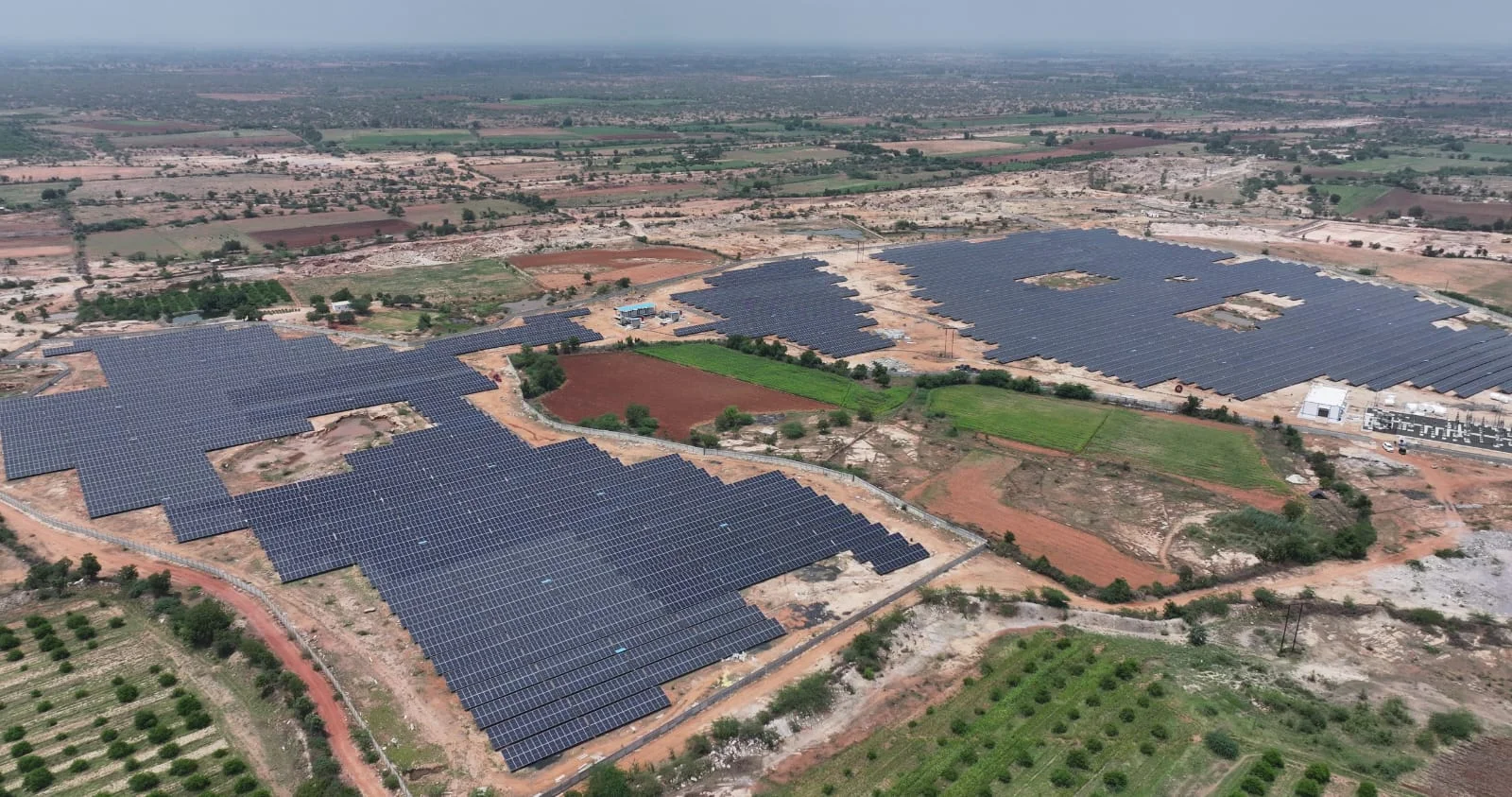
The announcement comes amid India’s growing emphasis on renewable energy and climate resilience. The initiatives include key power sector undertakings such as expanded transmission infrastructure to evacuate energy from the Khavda Renewable Energy Park, one of the world’s largest upcoming solar parks. An ultra-supercritical thermal power plant unit at Tapi and upgrades to the transmission grid form part of the package, alongside developments at Kandla Port and various road, water, and solar schemes under the Gujarat government. Describing Kutch as a symbol of resilience, PM Modi recalled the devastation of the 2001 earthquake and praised the region’s transformation into a global energy and trade hub. “Kutch is emerging as the world’s largest hub for green energy,” he said, emphasising the strategic significance of the region.
A standout announcement was the foundation stone for a green hydrogen plant based on entirely indigenous technology. Kandla is now one of three designated green hydrogen hubs in India, with the Prime Minister calling green hydrogen “the fuel of the future.” The Khavda solar park also drew attention, with Modi hailing it as a key player in India’s renewable energy mission. These projects are expected to accelerate India’s journey toward sustainable development while strengthening Gujarat’s role in the country’s clean energy map. He also mentioned the PM Surya Ghar Muft Bijli Yojana, under which lakhs of Gujarat’s households are benefiting from reduced electricity bills, demonstrating the government’s efforts to promote inclusive and affordable energy access.
With this mega rollout, Gujarat is poised to not only bolster its infrastructure but also reinforce India’s credentials as a global leader in sustainable and indigenous energy technology.