


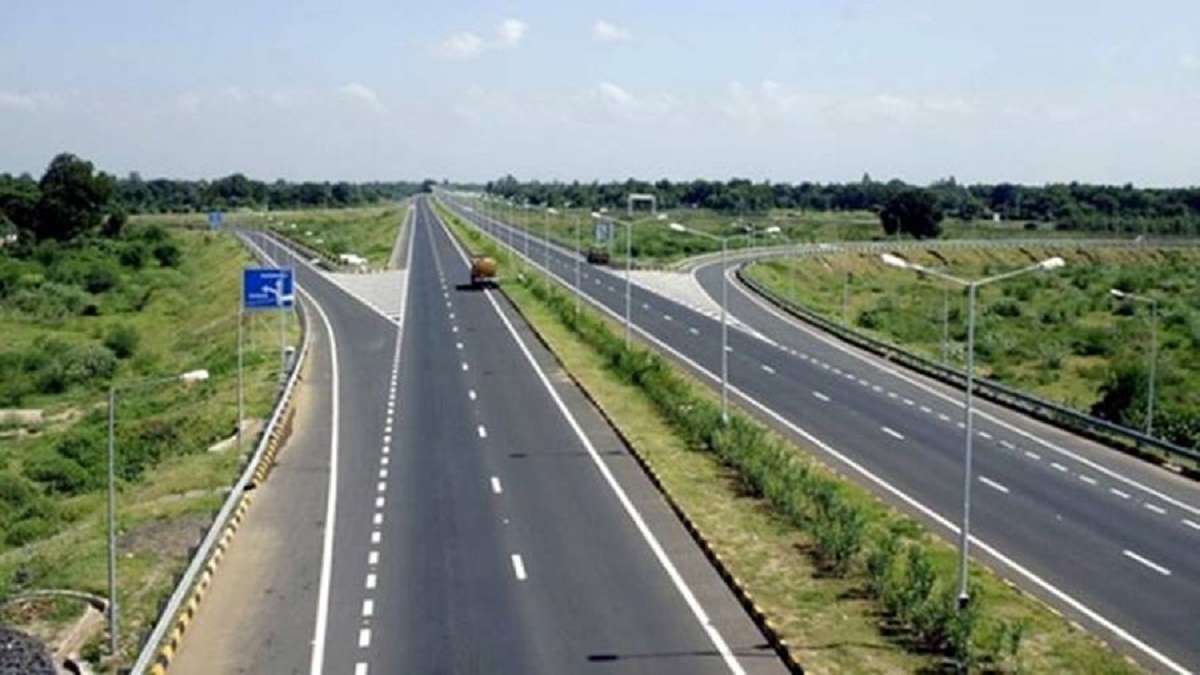
Gujarat has marked a key milestone in sustainable infrastructure as the Gandeva–Ena section of the Delhi–Mumbai Greenfield Expressway has secured its Provisional Commercial Operations Date (COD). The eight-lane stretch, developed under the Hybrid Annuity Model (HAM), is now operational, unlocking a new chapter in faster and greener connectivity between the nation’s financial and industrial hubs.
With the COD now in place, the special purpose vehicle managing the project becomes eligible for bi-annual annuity payments from the National Highways Authority of India over the 15-year concession period. Experts note that the Gandeva–Ena stretch alone is expected to generate close to ₹180 crore annually, ensuring stable and predictable cash flows for the developer while strengthening India’s road infrastructure model.
Also Watch: An Exclusive Interview with Sanjeev Jaiswal (IAS), CEO MHADA
The project holds strategic significance as it enhances seamless mobility on the Delhi–Mumbai corridor, one of the busiest and most commercially vital routes in the country. Designed to be future-ready, the expressway has been constructed with a strong emphasis on sustainable practices. Officials highlighted that extensive water conservation measures were implemented under the Sujalam Sufalam scheme, ensuring the project was water-positive during execution a rarity in large-scale highway development.
The Gandeva–Ena package is the second key HAM project by the developer to achieve COD on this corridor, following the earlier completion of the Vadodara–Kim section. Together, the two stretches promise faster, safer and smoother travel for commuters while contributing significantly to the long-term vision of building eco-friendly and resilient national highways.Industry experts believe that such hybrid annuity model projects are playing a crucial role in reshaping India’s transport landscape. The model ensures lower financial risks for private developers while securing regular revenue flows, which in turn attracts private investment into the infrastructure sector.
With traffic on the Delhi–Mumbai axis projected to rise steadily in the coming years, the operationalisation of this section comes as a timely boost.Beyond numbers and annuity flows, the project symbolises India’s larger ambition of integrating economic growth with environmental responsibility. The push for sustainable expressways reflects the growing awareness that infrastructure must align with climate goals, resource efficiency, and community well-being.
With an expanding asset base across multiple states, the developer continues to consolidate its leadership in highways and toll operations. Analysts point out that the company now manages thousands of kilometres of operational highways, maintaining a sizeable share of India’s Toll-Operate-Transfer and Hybrid Annuity portfolios. The commissioning of the Gandeva–Ena stretch reinforces this position and underlines the growing maturity of India’s public-private partnership model in infrastructure delivery.As the Delhi–Mumbai Expressway edges closer to full operational status, the Gandeva–Ena achievement serves as a reminder that infrastructure, when built with sustainability at its core, can accelerate economic growth while safeguarding environmental goals.
