GSUDA backs Margao vision, South district plan stays stalled
The Margao Master Plan under Vision 2041 sees a renewed push from state agencies, the constitutionally-mandated district development plan for South Goa remains sidelined. Despite receiving over 3,400 proposals from local bodies last year, the District Planning Committee has not met or prepared a consolidated plan, raising questions about governance, planning priorities, and the state’s commitment to decentralised development.
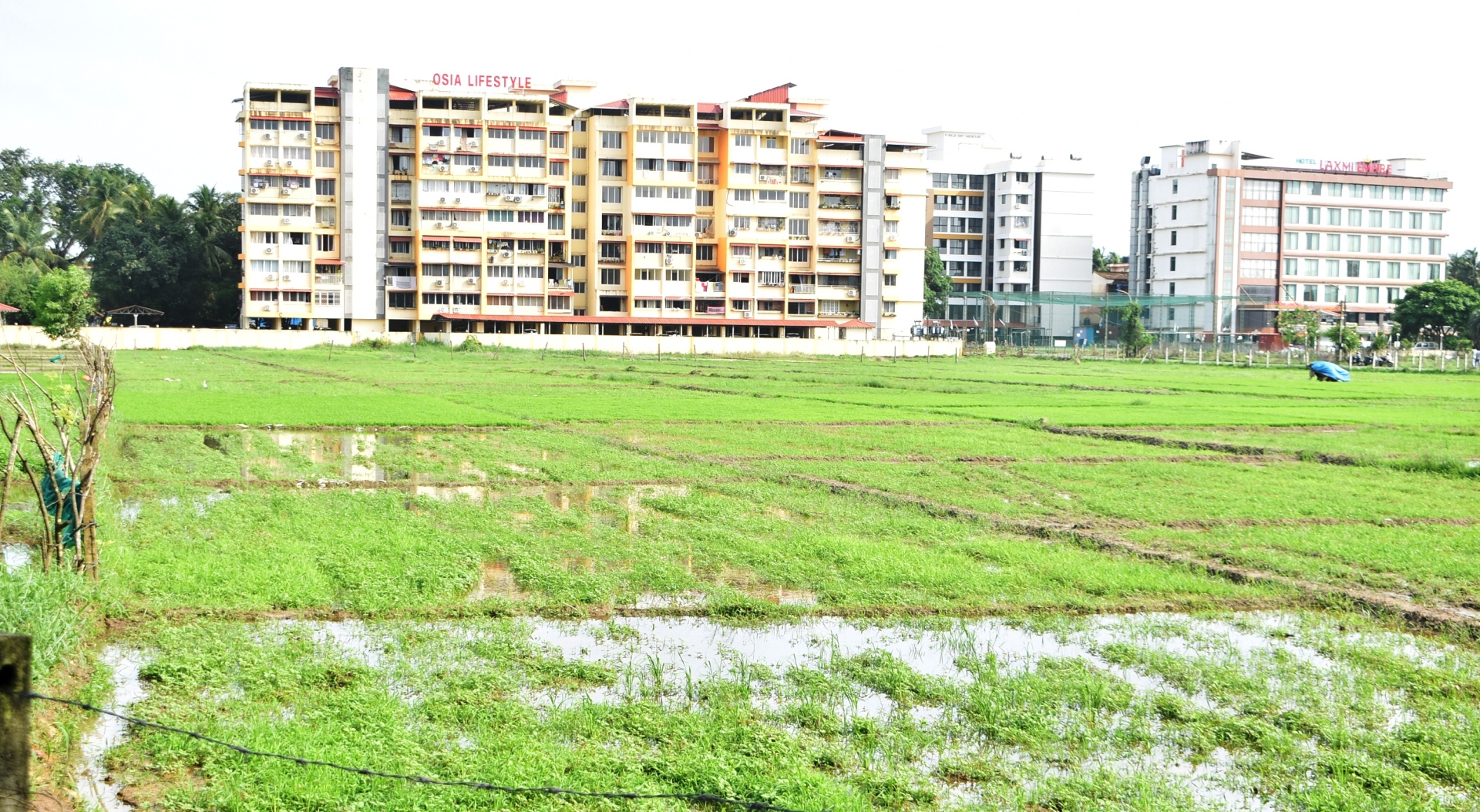
The Goa State Urban Development Agency recently presented its Vision 2041 Master Plan for Margao to the municipal council for a second time in 17 months. This non-statutory plan aims to guide long-term urban development in the commercial capital. However, while attention is given to Margao’s future, the District Planning Committee remains inactive, with no consolidated development plan submitted to the government for the second consecutive year.
Over 3,400 development proposals submitted in the last financial year by panchayats, municipalities, and zilla panchayats of South Goa remain unaddressed. These submissions were meant to be compiled into a district-wide plan by the DPC. However, no meetings have been held to begin the process, and local officials admit there have been no directives to prepare or resubmit new proposals for the 2025–26 cycle, highlighting systemic neglect.
The inaction has left grassroots institutions disillusioned. Officials say it’s difficult to encourage civic bodies to participate when their earlier proposals received no response. The Directorate of Panchayats has not raised any queries on the DPC’s failure to submit the current year’s plan. This administrative silence has effectively sidelined the South Goa DPC, making its constitutional role redundant despite clear responsibilities under the Goa Panchayat Raj Act.
Civil society groups and planning advocates have criticised the rush to approve the Margao Master Plan without parallel efforts to incorporate public development proposals into a statutory district plan. Critics argue that the imbalance reflects a lack of transparency and grassroots involvement in shaping regional development. The failure to operationalise the DPC framework undermines both the spirit of decentralisation and the constitutional mandate for integrated district-level planning.
As state-backed urban planning efforts gain momentum in Margao, the neglect of the South Goa District Planning Committee highlights a serious gap in decentralised governance. Without consolidated district planning, the region risks uneven growth and missed opportunities for integrated development. Stakeholders are now urging accountability and systemic reform to revive the DPC’s role and align both city-level and district-wide development under a democratic planning process.