


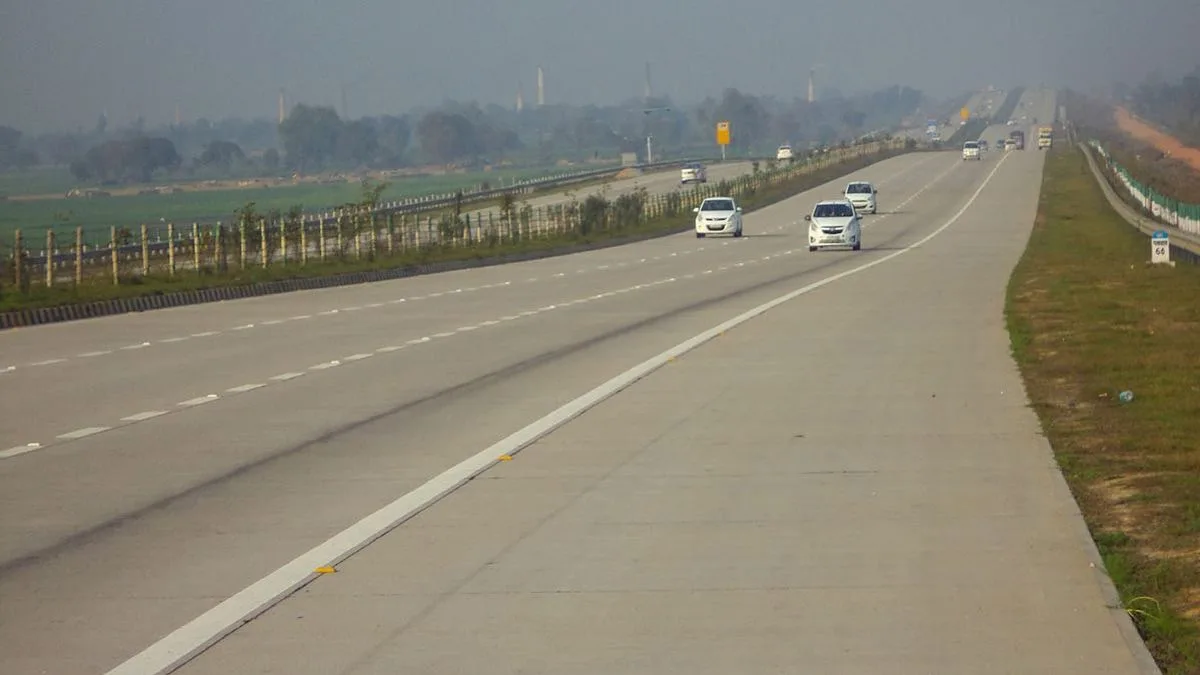
A large-scale apparel manufacturing cluster taking shape along the Yamuna Expressway is quietly altering the industrial profile of Greater Noida, positioning the region as a significant node in India’s garment and textile supply chain. Spread across a planned industrial zone, the project signals a shift towards decentralised manufacturing, employment generation, and export-oriented growth beyond traditional metro cores.
Developed within an expressway-linked industrial area, the apparel park spans approximately 175 acres and is designed exclusively for textile and garment units. According to officials familiar with the project, most of the planned industrial plots have already been allocated, reflecting sustained investor interest despite a challenging global trade environment. The pace of land allotment and early-stage construction indicates that the Yamuna Expressway apparel park is moving from planning to execution.Urban planners point out that such sector-specific industrial zones reduce logistics costs and enable shared infrastructure, making them more resilient and resource-efficient. The proximity to high-capacity road networks, a greenfield international airport, and multimodal freight corridors has strengthened the park’s attractiveness, particularly for export-facing manufacturers that depend on time-sensitive supply chains.
From a labour perspective, the development is expected to generate thousands of direct jobs once fully operational, with indirect employment across logistics, housing, services, and maintenance. Industry experts note that apparel manufacturing typically employs a higher share of women and semi-skilled workers, offering opportunities for inclusive workforce participation when supported by adequate transit and affordable housing.Construction activity within the park has begun for several units, following regulatory approvals and building plan clearances. Officials overseeing implementation have indicated that project timelines are being monitored closely, with allottees required to align development milestones with approved project reports. This approach, analysts say, reduces land speculation and encourages timely industrial activation.
Environmental considerations are also shaping the site’s planning framework. Industrial estates developed along expressway corridors increasingly incorporate decentralised wastewater treatment, energy-efficient building norms, and shared utilities to lower their carbon footprint. While the long-term sustainability performance will depend on execution, the cluster model allows for scalable climate-resilient infrastructure.However, land availability remains a partial constraint. A small number of plots are yet to be brought to market due to ongoing acquisition processes. Urban development specialists argue that faster resolution will be critical to maintaining investor momentum and avoiding fragmented growth.
As India’s manufacturing strategy pivots towards value-added exports and regional industrialisation, projects like the Yamuna Expressway apparel park illustrate how infrastructure-led planning can reshape peri-urban economies. The next phase will test whether employment, environmental management, and connectivity advance together — or diverge under growth pressure.
Also Read:Chengalpattu Waste Burning Raises Public Health Alarms
Greater Noida Yamuna Expressway Apparel Park Scales Up Jobs
