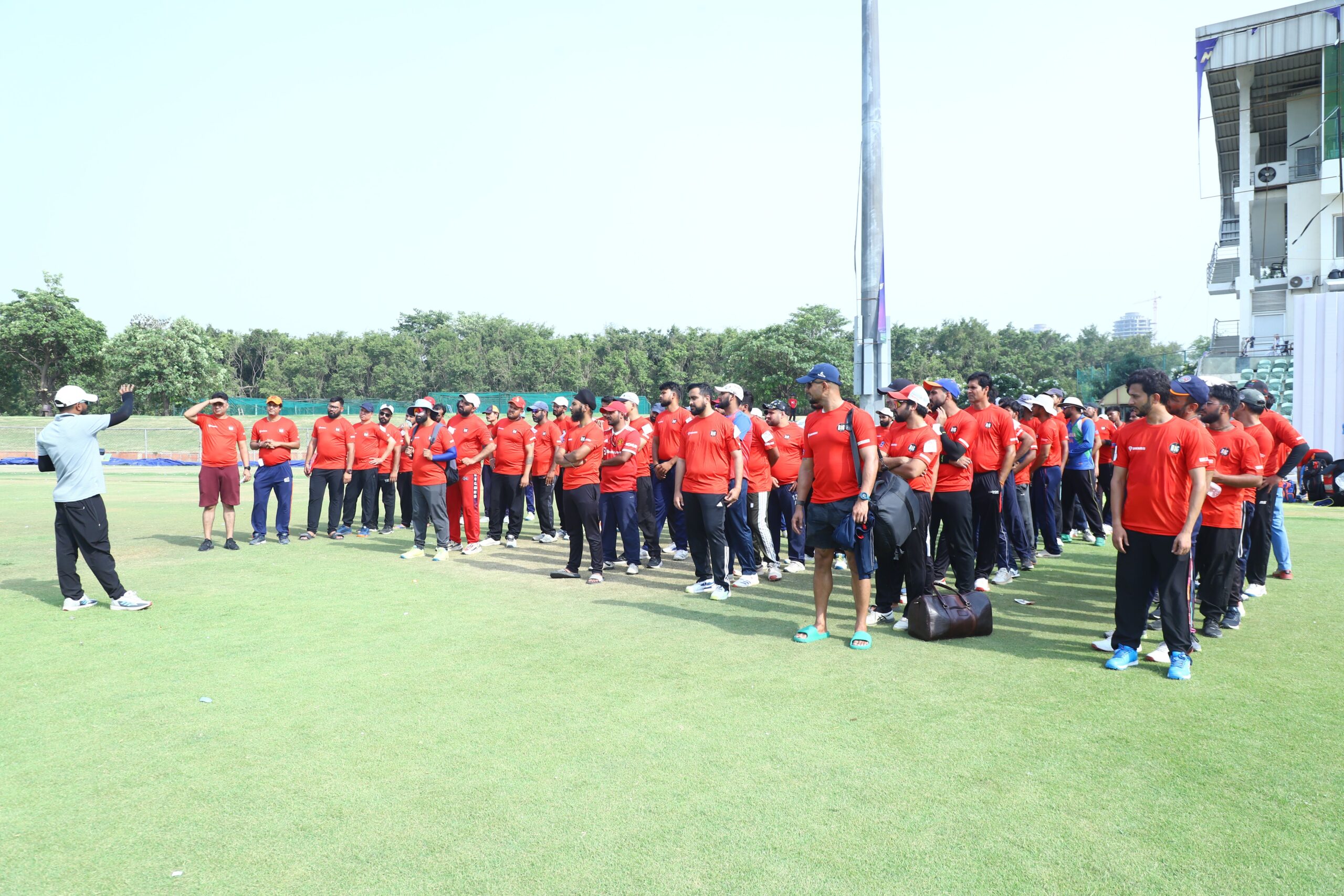
Greater Noida — The city is positioning itself as a growing hub for competitive sport as it prepares to host the second edition of the Big Cricket League (BCL) from March 11 to March 22, 2026, at the Shaheed Vijay Singh Pathik Sports Complex.
Designed as the world’s first Professional-Amateur (Pro-Am) cricket league, the event is expected to stimulate local sports infrastructure use, attract spectators, and offer a competitive platform that bridges grassroots talent with professional standards. In contrast to traditional franchise leagues where professional players dominate, the BCL pairs international cricketers with promising amateur athletes, creating a unique competitive ecosystem. This structure not only elevates match intensity but also provides emerging players with rare exposure alongside seasoned professionals. Organisers say this blend of experience and fresh talent can deepen the talent pipeline in Indian cricket, offering enhanced pathways beyond age-group and state-level competition.
Ahead of the main fixtures, a player auction scheduled for February 16 has drawn interest from team franchises eager to balance international pedigree with local promise. The auction’s emphasis on strategic team composition highlights how the league is advancing towards a more sophisticated sporting event, akin to franchise models globally though with its own distinct Pro-Am ethos. The involvement of the Greater Noida Industrial Development Authority (GNIDA) points to a broader civic strategy to leverage sporting events as economic and social multipliers. GNIDA’s support includes logistical preparations, venue management, and infrastructure readiness to ensure the tournament runs smoothly and meets professional standards. Municipal planners see such events as catalysts for urban vibrancy — attracting visitors, enhancing hospitality demand, and promoting ancillary economic activities in retail, transport and services.
Sports economists note that mid-sized cities like Greater Noida can benefit significantly from positioning themselves on the national event calendar. Beyond immediate economic inflows, recurring sporting fixtures foster long-term investments in training facilities, niche tourism and brand identity. “Regular, well-executed sporting events help cities evolve beyond residential or industrial profiles into cultural and recreational centres,” said a senior sports infrastructure analyst. Improvements to local infrastructure — from upgraded grounds to traffic and crowd management systems — can yield enduring community benefits. The BCL’s organisers are deliberately aiming for growth this season. After a strong inaugural campaign that drew sizeable live viewership and heightened interest among amateur players, Season 2 expands competitive intensity and promises broader engagement. With more international players anticipated — though formal rosters remain pending — the league could enhance its national profile and set templates for similar sporting formats.
At a community level, the event may also inspire increased sports participation among youth. Accessible pathways for amateur athletes and community viewing opportunities can stimulate active lifestyles and nurture a deeper appreciation for organised sport. For Greater Noida, successful execution of the Big Cricket League could therefore be a stepping stone toward becoming a recurring node in India’s expanding sports ecosystem.