


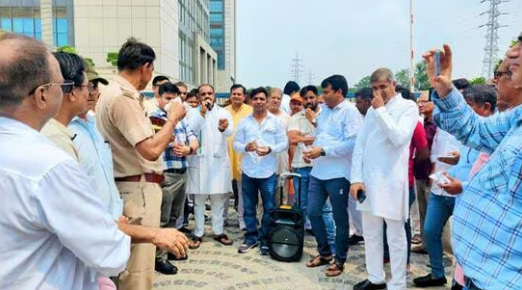
The Federation of Resident Welfare Associations of Greater Noida (FOGNRWA) has voiced its concerns over several pressing civic issues, presenting a detailed memorandum to the minister in charge of the Gautam Buddh Nagar district. The memorandum, addressed to Uttar Pradesh’s industrial development minister, Nand Gopal Nandi, outlines grievances related to the imposition of new charges, escalating water bills, and a perceived lack of engagement by the Greater Noida Industrial Development Authority (GNIDA).
At the core of the FOGNRWA’s grievances is the recent imposition of charges for door-to-door household waste collection, which began in July. The association argues that, according to GNIDA’s brochure and previously agreed terms, maintenance services were to be provided free of charge. The GNIDA had reportedly collected a lumpsum lease rent from allottees, ostensibly covering these services. The president of FOGNRWA questioned the rationale behind the additional charges, emphasising that the authority already receives significant revenue from transfer charges and other fees. The federation has demanded the immediate revocation of these new charges, viewing them as an unjust burden on residents.
Another contentious issue is the annual 10% hike in water bills, which has caused considerable distress among residents. The FOGNRWA officials highlighted that despite the yearly increase, the quality and consistency of water supply remain subpar. Many sectors frequently experience low water pressure or no supply at all, with some areas lacking access to Ganga water entirely. The federation has called for a reassessment of water supply at the ground level before implementing any rate increases, arguing that the hikes are unjustifiable given the current service levels. They have demanded the immediate withdrawal of the 10% hike for this year, citing the need for a more equitable and transparent billing process.
Furthermore, the FOGNRWA expressed dissatisfaction with the discontinuation of quarterly meetings between GNIDA officials and the RWA representatives. These meetings, previously held regularly, served as a vital platform for discussing and resolving residents’ issues. Since the new CEO’s tenure began, these meetings have ceased, leading to a growing disconnect between the authority and the community. The federation has called for the reinstatement of these meetings, emphasising their importance in fostering dialogue and addressing residents’ concerns.
The minister, after hearing the residents’ pleas, assured them that their issues would be addressed. The FOGNRWA’s actions reflect a broader discontent among Greater Noida residents regarding civic management and governance. As the region continues to develop, the need for transparent, accountable, and responsive governance becomes increasingly crucial. The residents’ demands underscore the importance of maintaining a balance between infrastructure development and the provision of essential services. This situation also highlights the critical role of resident welfare associations in advocating for the community’s needs and ensuring that local authorities remain attentive and accountable. The outcome of this engagement will be closely watched, as it may set a precedent for how similar issues are handled in other rapidly growing urban areas.
