Greater Noida Embarks On Solar Sludge Project To Compost City’s Sewage Waste
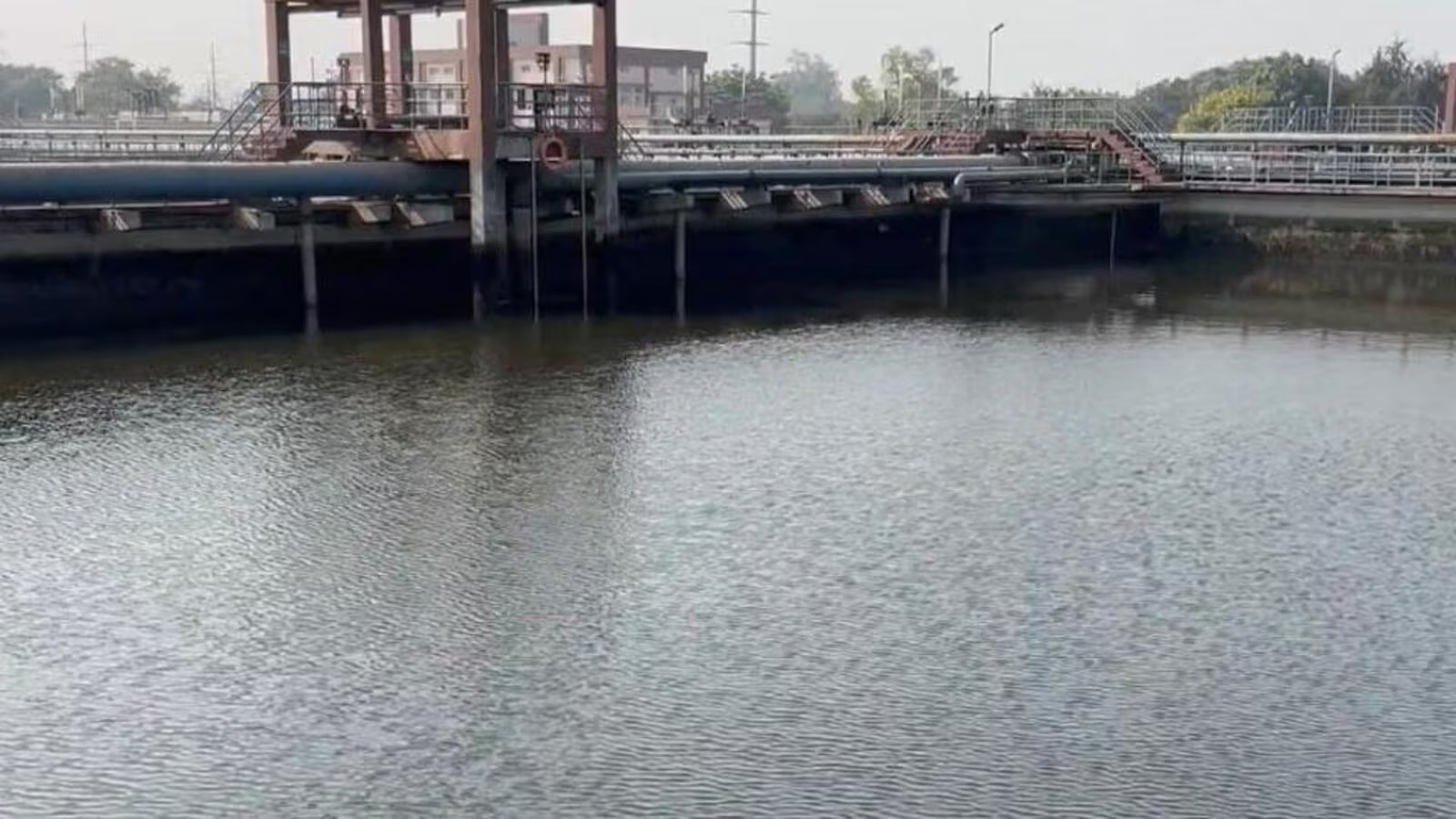
Greater Noida is piloting a solar-powered sewage sludge management system at its largest treatment plant in Kasna in a significant move toward greener urban living. The new initiative will harness solar energy to dry urban wastewater sludge within five days, converting it into fine compost for horticultural use. This first-of-its-kind local adoption of Solar Dry Sludge Management (SDSM) technology is designed to reduce the environmental footprint of sewage treatment while turning waste into a valuable resource. If successful, it will serve as a model for other treatment facilities in the rapidly urbanising city.
The pilot will be implemented at the 137 million litres per day (MLD) sewage treatment plant in Kasna and could be expanded to plants in Badalpur, Ecotech-2, and Ecotech-3. Experts are currently working on a detailed project report (DPR) to define the financial and technical framework. Officials confirmed that IIT Delhi is overseeing the study to ensure rigorous planning and implementation. Though the cost-sharing structure is yet to be finalised, state grants and local budget allocations are likely sources. The project aims to demonstrate how decentralised solar technologies can ease pressure on conventional waste systems while advancing climate action. Officials noted that the SDSM process produces a dry, powdery material from raw sludge in just five days using only solar heat. This residue can then be converted into nutrient-rich compost suitable for parks, gardens, and other public green spaces.
The solution is especially relevant for Greater Noida, which is expanding its sewage infrastructure to meet growing population demands. Apart from waste reduction, the project seeks to encourage organic composting and curb reliance on synthetic fertilisers, in line with circular economy goals. Prior trials in Goa have shown promising results, offering a proof-of-concept adaptable to northern India’s climate and urban densities. SDSM technology is also expected to significantly reduce carbon emissions associated with sludge transport and disposal. Unlike conventional methods that rely on mechanical drying and landfill dumping, this solar-driven model cuts energy use and fosters resource recovery. By incorporating the dried output into municipal composting cycles, the city can reclaim waste as a tool for urban resilience.
The pilot’s success could pave the way for policy-level adoption across India’s fast-growing satellite cities, where both sewage volumes and climate impacts are sharply rising. It also presents a replicable blueprint for local bodies keen on integrating clean energy with waste processing. The project symbolises a shift in how Indian cities manage urban wastewater, from reactive infrastructure to proactive sustainability planning. By investing in decentralised, solar-based waste processing, Greater Noida is turning sludge into soil and pollution into potential. Officials affirm that such innovations—if scaled responsibly—can catalyse low-carbon urban growth, reduce health hazards from untreated sludge, and green the city in the process. With thoughtful implementation and sustained public investment, this model may help Indian cities reimagine waste not as a burden, but as a resource for regeneration.