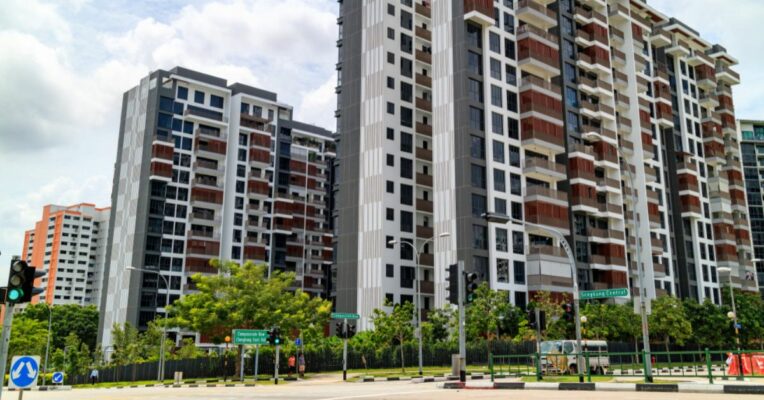
The Yamuna Expressway corridor in Greater Noida is witnessing a shift in residential development patterns, as developers move away from high-density towers towards low-occupancy, amenity-led housing formats aimed at affluent urban households. A recently launched luxury residential project in Sector 22D highlights how this infrastructure-led region is being repositioned as a long-term urban extension of Delhi–NCR rather than a peripheral real estate market.
Spread across a larger integrated township, the development introduces a limited number of large-format homes within a compact footprint, reflecting a broader recalibration underway in NCR’s housing demand. Urban planners note that post-pandemic preferences have accelerated interest in privacy, open space, wellness infrastructure and lower population density features historically absent from mass housing along growth corridors. The Yamuna Expressway’s transformation is closely tied to public infrastructure investment. The upcoming Noida International Airport, industrial clusters, electronic manufacturing zones and institutional hubs have collectively altered the corridor’s economic profile. According to industry experts, residential development is now following employment and logistics infrastructure, reversing the earlier trend where housing preceded job creation.
Connectivity remains central to the corridor’s appeal. The expressway’s links to the Eastern Peripheral Expressway, Greater Noida and institutional zones have shortened travel times to Delhi, while future transit and road upgrades are expected to further integrate the region with the wider NCR. Urban economists point out that such connectivity reduces pressure on central Delhi while distributing population growth more evenly across the metropolitan region. A notable feature of newer developments is their integration with recreational and environmental assets, including golf courses, landscaped buffers and vehicle-restricted internal zones. While these amenities cater to higher-income buyers, planners argue that the model reflects an important shift towards people-first design, improved air flow, water-sensitive landscaping and reduced heat-island effects elements increasingly critical in climate-stressed urban regions.
From a market perspective, the Yamuna Expressway is also drawing investor interest due to relatively lower land acquisition costs compared to Noida and Gurugram, combined with long-term appreciation potential driven by infrastructure-led growth. Analysts caution, however, that sustained value will depend on balanced civic development, including public transport, healthcare access and local employment generation, rather than isolated luxury enclaves. As Greater Noida continues to evolve, the corridor’s success will be measured not just by premium housing launches, but by how effectively private real estate aligns with public infrastructure, environmental resilience and inclusive urban planning. The next phase of growth will require careful coordination between authorities, developers and communities to ensure that expansion along the Yamuna Expressway contributes to a more balanced and liveable Delhi–NCR.
Greater Noida Corridor Attracts Low Density Housing