


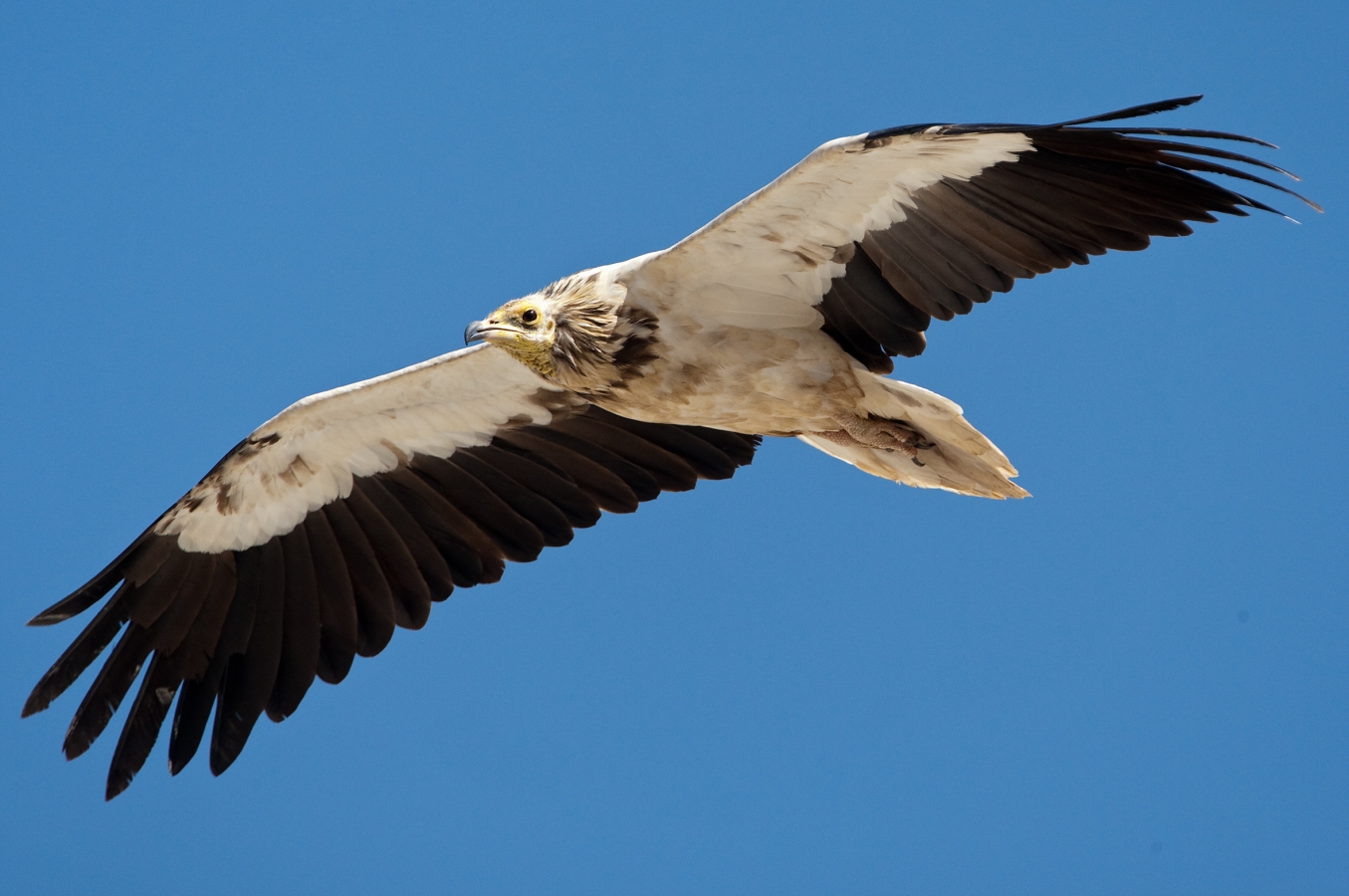
GPS-Tagged Vulture’s Incredible 4,000-Km Flight
In a remarkable feat of endurance and conservation, a GPS-tagged white-rumped vulture, released as part of India’s Jatayu initiative, has completed an extraordinary 4,000-km journey from Maharashtra’s Tadoba Andhari Tiger Reserve to Tamil Nadu. The bird’s flight traversed a vast expanse across India, moving through Chhattisgarh, Gujarat, and Karnataka, before reaching its final destination in Tamil Nadu. This event marks a significant achievement in the country’s vulture conservation efforts and highlights the bird’s resilience in the face of challenges.
The vulture, fitted with a satellite tag in August 2024, embarked on its journey through a complex route, eventually reaching Tamil Nadu after navigating various states. While its travels saw the bird move from Maharashtra to Chhattisgarh, then Gujarat, it even doubled back to Maharashtra before continuing southwards through Karnataka. The route taken by the bird underscores the curiosity of sub-adult vultures, which are known to explore more during their flight. During its journey, the bird’s health was a cause for concern. It had to be captured and treated twice—once in Chhattisgarh and again in Gujarat—due to apparent weakness and ill-health. However, after its recovery in Gujarat, the vulture continued its journey with renewed strength, ultimately arriving in Tamil Nadu without further complications.
This journey has taken on added significance as part of the broader Jatayu Conservation Project, launched by the Maharashtra Forest Department and the Bombay Natural History Society (BNHS). As part of the project, a total of 10 long-billed vultures were fitted with GPS tags in a concerted effort to monitor and protect these endangered species. The birds were released from specially constructed pre-release aviaries in Tadoba and Pench Tiger Reserves, with careful consideration given to their reintroduction to the wild. The Jatayu Conservation Project, named after the legendary vulture from Indian mythology, aims to rebuild populations of vultures that have drastically declined over the past few decades. Between 1990 and 2006, the population of vultures in India plummeted due to the widespread use of the veterinary drug Diclofenac, which caused fatal kidney damage when ingested from contaminated carcasses. The drug was banned for veterinary use in 2006, but the damage had already been done, with many vulture species facing the threat of extinction.
Since then, India has made concerted efforts to revive vulture populations through breeding centres across the country, in states like Haryana, Assam, Madhya Pradesh, and Bengal. The recent release of both white-backed and long-billed vultures signifies a new chapter in the country’s efforts to bring these majestic birds back from the brink. With conservation initiatives gaining momentum and more vultures being tagged and monitored, the success of this GPS-tagged vulture highlights the positive impact of these efforts. It not only illustrates the resilience of the species but also demonstrates the potential of modern technology in aiding wildlife conservation on a large scale.
