


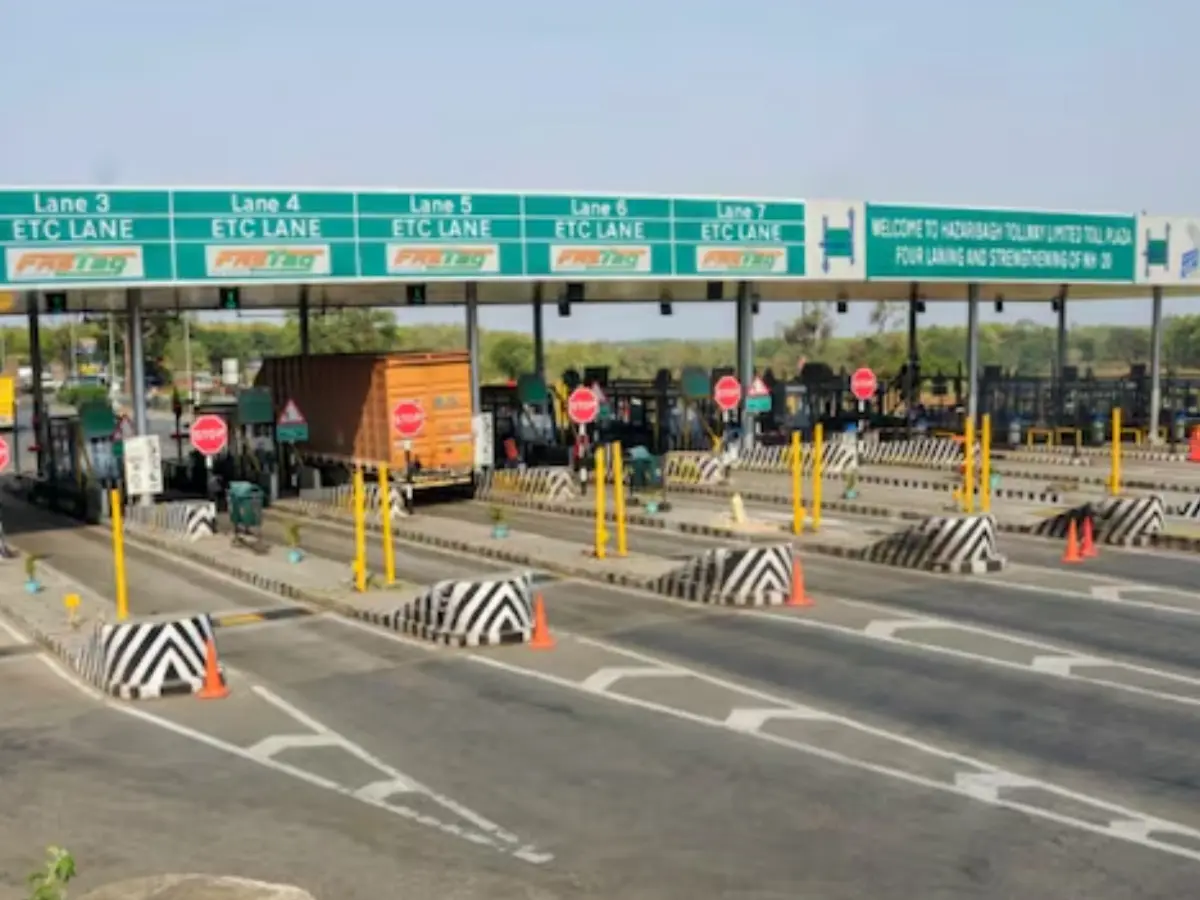
The government has initiated a significant policy shift to ease financial pressure on road users by reducing tolls by up to 50% on national highways featuring costly infrastructure such as bridges, tunnels, flyovers, and elevated roads. Announced on July 2 under amended rules to the National Highways Fee Rules, 2008, the revised toll calculation method offers much-needed relief for frequent commuters and logistics operators nationwide.
Under the prior system, toll assessments on structure-intensive highway segments were calculated at ten times the length of the structure. With the new formula, the levy is now based on the lesser of either ten times the structure’s length or five times the total section length—resulting in up to halved tolls. For example, a fully structured 40 km stretch previously equated to tolls on 400 km but will now be computed on just 200 km. A senior NHAI official confirmed the change aims to balance recouping infrastructure costs while moderating user charges. “High‑value construction like tunnels and bridges incurs higher costs,” the official explained, “but it is also essential to keep mobility affordable. This formula achieves that equilibrium.”
Analysts have welcomed the reform, noting its dual benefits. The policy not only eases expenses for citizens and commercial vehicle operators but also supports sustainability goals. By reducing toll costs, the government encourages consistent use of high-capacity corridors—mitigating urban congestion, seasonal fuel consumption spikes, and carbon emissions. Freight efficiency improves as logistic chains rely less on detours to avoid expensive toll sections. This aligns with broader aims to develop greener, more equitable transport networks. However, implementation will require transparency in toll-collection practices and accurate demarcation of structure-heavy zones. Road agencies must also recalibrate digital toll systems and inform users promptly. Any ambiguity could cause billing inconsistencies or public confusion during the transition period.
In the long term, this measure may influence infrastructure planning. Developers might reconsider overly elaborate designs if recovery windows narrow. But for now, motorists stand to benefit directly from tangible cost savings on frequently traversed sections. The toll revision demonstrates a policy approach that balances infrastructure funding with public interest, ensuring that modern highway amenities remain affordable and sustain the movement of people and goods responsibly.
Also Read : Gurugram rainstorm jams Delhi expressway as vehicles break down
