


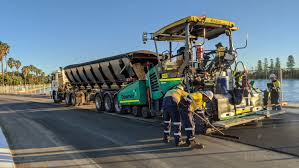
Bhubaneswar is on the verge of a groundbreaking shift in urban infrastructure, exploring a pioneering initiative to use plastic waste in road construction. This move, discussed in a recent high-level meeting of urban development officials, signifies a strategic commitment to a zero-net-carbon future. By repurposing plastic refuse into a durable construction material, the city aims to tackle a dual challenge: the persistent problem of waste management and the need for resilient, long-lasting urban roads.
The discussions, led by a senior departmental official, centred on the feasibility of a method that blends shredded plastic waste with heated bitumen and aggregates. This technique is gaining traction globally for its dual benefits. The inclusion of processed plastic not only enhances the strength and longevity of the asphalt but also provides a sustainable alternative to traditional road-building methods. By integrating post-consumer plastic—including bottles and carry bags—into the construction material, the city can significantly reduce the amount of waste ending up in landfills, thus contributing to a more circular and eco-friendly economy.
The initiative is inspired by the successful implementation of similar projects by national infrastructure authorities, which have demonstrated the method’s effectiveness in enhancing road quality and durability. This evidence-based approach is crucial for a new urban model where public works projects are not just functional but also environmentally conscious. The move to use plastic waste in this way directly addresses the core objective of creating cleaner, more sustainable urban landscapes that are resilient to the effects of climate change and pollution.
The consideration of pilot projects in select urban areas signals a serious intent to move from discussion to action. This phased implementation will allow urban planners to study the real-world impact and fine-tune the process before a wider rollout. The state government has already shown a commitment to innovative construction techniques, having previously utilised stone matrix asphalt technology in various road overlaying projects. This track record indicates a forward-thinking approach to infrastructure, where quality and sustainability are given precedence over conventional, less durable methods. Such initiatives are fundamental to building equitable cities, as better-maintained road networks ensure reliable access and connectivity for all citizens, regardless of their location.
The public response to this proposal has been largely positive, with local experts and residents viewing it as a long-overdue and progressive step. The initiative is seen as a win-win for the city, promising both superior infrastructure and a cleaner environment. As the state moves forward, the successful adoption of this technology could serve as a powerful model for other urban centres, demonstrating that responsible urban planning can harmonise economic development with ecological sustainability.
Also Read :UP Becomes First State to Implement AI-Based Road Safety Model
