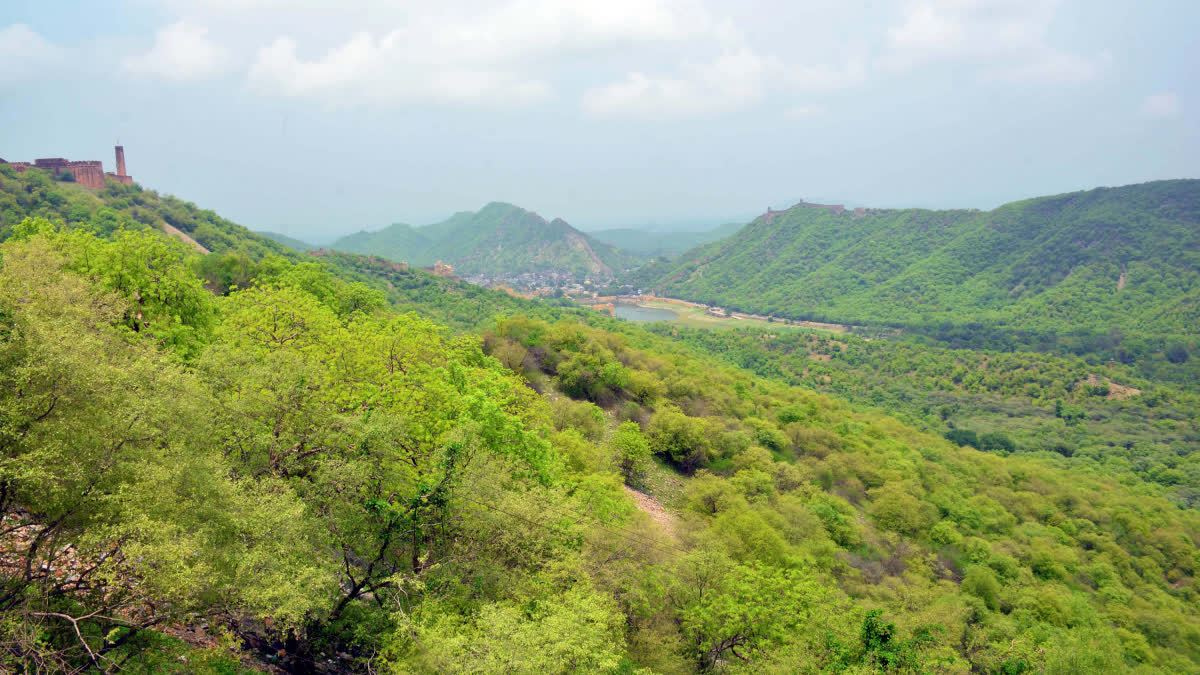
Government launches a large-scale soil development project in Rajasthans Aravalli districts to restore the ecosystem
A landmark ecological initiative has commenced in Rajasthan, marking a significant stride in the battle against desertification and ecological degradation. The Aravalli Green Development Project, a visionary endeavour with a five-year allocation of ₹250 crore, is now operational across 3,700 hectares in 19 districts. This large-scale undertaking, a first for any Aravalli state, is not merely a plantation drive but a strategic ecological defence mechanism designed to restore the ancient mountain range’s fragile ecosystem and protect urban centres from advancing sandstorms. The project represents a crucial investment in a sustainable and eco-friendly future, aligned with the broader vision of creating zero net carbon cities.
The Aravalli range, a vital natural barrier, has long been under threat from deforestation and land degradation, leading to intensified sandstorms encroaching upon North India and the National Capital Region. The project, aligned with the central government’s Aravalli Green Wall Project, aims to re-establish a green corridor stretching from Delhi to Ahmedabad. By focusing on indigenous and climate-resilient species, officials are laying the groundwork for a robust and self-sustaining ecosystem. The selection of species such as Khejri, Rajasthan’s state tree known for its drought resistance, along with Babool, Dhak, Neem, and Ber, is a strategic choice designed to ensure the project’s long-term viability in varied climatic conditions.
A key aspect of this restoration effort is the use of native grasses like Sevan and Dhaman to stabilise the soil, particularly in arid zones with limited water resources. Experts highlight that these choices are pivotal not only for their adaptability but also for their role in enhancing biodiversity and improving groundwater recharge, which is crucial for water-scarce regions. The project’s reach is extensive, spanning approximately 550 kilometres of the Aravalli range within Rajasthan, covering forest tracts from Alwar to Sirohi. The deliberate decision to focus on forest land and avoid human habitation or encroached areas underscores a commitment to long-term sustainability and effective revival of key ecological zones.
This ambitious programme is being executed under the oversight of the Union Ministry of Environment, Forest and Climate Change, which will employ key indicators such as flora and fauna recovery, groundwater levels, and microclimatic shifts to monitor its progress. While officials express confidence in the project’s potential, environmental experts caution that the real challenge lies in the post-plantation phase. The harsh, arid climate of regions like Jaipur and Sikar presents a formidable test, where sapling survival rates are critically dependent on consistent maintenance and care. This underscores the need for a sustained, long-term commitment that goes beyond the initial two-year plan of plantation and maintenance. The success of this initiative is not just an ecological victory; it’s a testament to the nation’s resolve to build a healthier, more resilient, and equitable future for generations to come.