


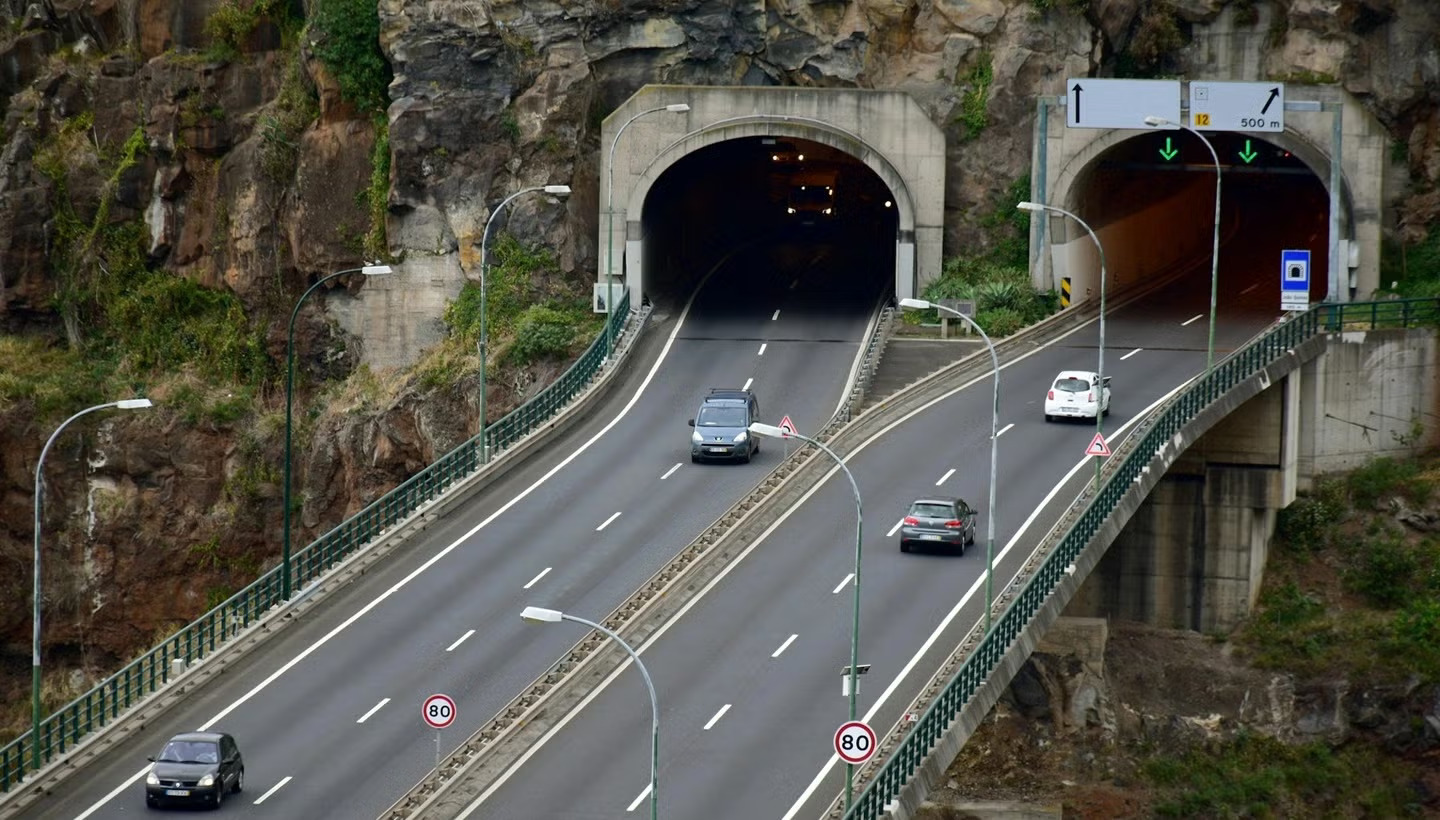
Union government has formed a Joint Working Group (JWG) to explore the feasibility of integrated rail and road tunnels during early project planning stages. The initiative reflects a growing emphasis on sustainable urban and intercity transport, particularly in areas with dense populations or complex geography.
The JWG will comprise senior officials from the Ministry of Road Transport and Highways (MoRTH), the Ministry of Railways (MoR), and executing agencies such as the National Highways Authority of India (NHAI) and the National Highways and Infrastructure Development Corporation Limited (NHIDCL). Their mandate is to assess technical, financial, and safety considerations for tunnels that accommodate both rail and road infrastructure, with recommendations submitted alongside alignment reports for approval by competent authorities. According to officials, the adoption of combined rail-road tunnels can lead to substantial benefits. These include reduced land acquisition requirements, lower construction costs, minimal environmental disruption, and more efficient utilisation of underground space. Shared tunnelling is particularly advantageous in ecologically sensitive or geographically constrained regions, where constructing separate corridors would be both costly and intrusive.
The group will conduct comprehensive evaluations covering construction and lifecycle costs, tunnel gradients and alignment, operational safety protocols, and evacuation mechanisms. A focus on shared rights of way is expected to prevent duplication of efforts, allowing both rail and road projects to co-exist efficiently in the same corridor. The JWG will include a chief engineer-level official nominated by Indian Railways, regional officers from MoRTH or its agencies, the divisional railway engineer responsible for the corridor, and the project director from the highway ministry. The panel has outlined a formal coordination framework, ensuring that project types and requirements are systematically addressed.
“The objective of the JWG is to integrate planning of road and rail alignments, while exploring the technical and economic feasibility of shared tunnel systems, including joint evacuation facilities,” said an official involved with the initiative. Experts emphasised that this approach aligns with sustainable infrastructure principles, offering reduced carbon footprints and more equitable access to urban mobility. Industry analysts note that combined tunnels could become a model for future transport corridors across India, particularly as the country invests heavily in high-speed rail, metro extensions, and expressway projects. By leveraging underground space efficiently, authorities can mitigate urban congestion, enhance commuter safety, and support climate-conscious development.
With the JWG now operational, the focus will be on identifying pilot projects, ensuring safety compliance, and formulating detailed cost-benefit analyses. Stakeholders believe this initiative represents a forward-looking step toward a greener, more financially prudent, and integrated transport infrastructure network across India.
Also Read: PM Modi To Inaugurate Three Kolkata Metro Routes On August 22
