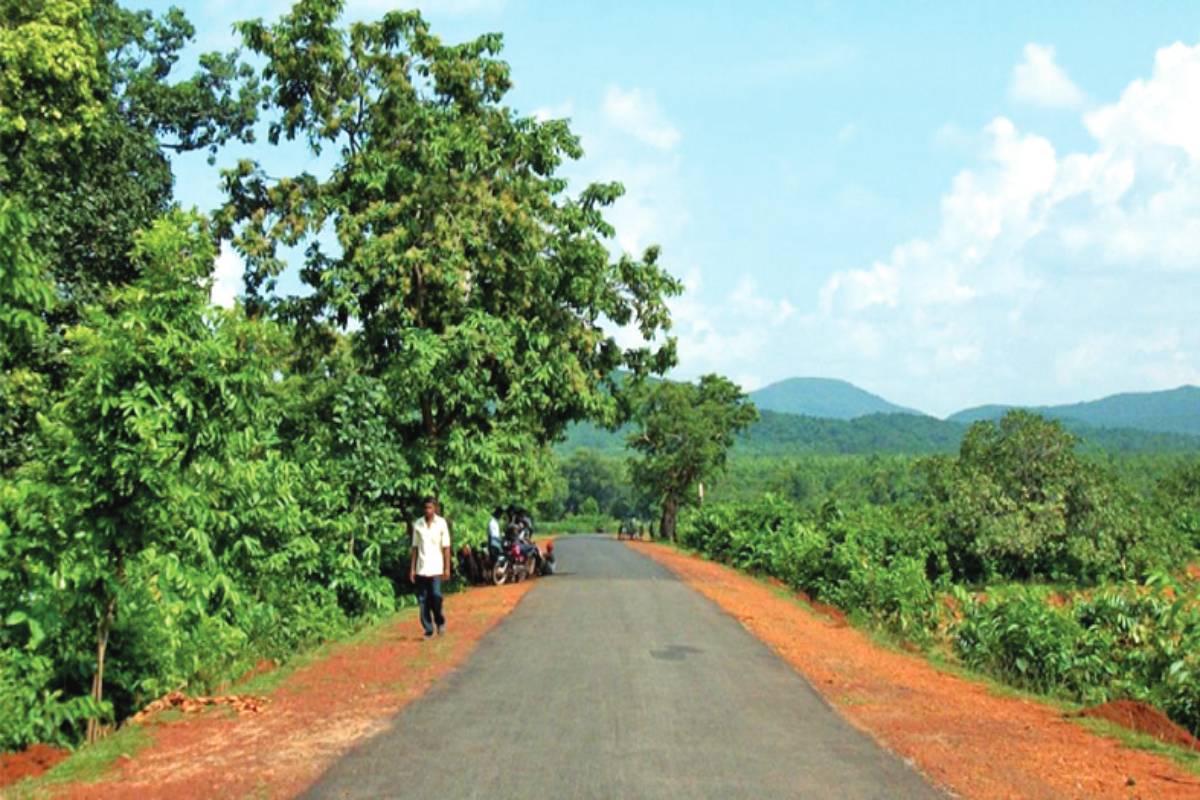
Government Builds 2,000 Km Rural Roads In Two Years To Connect Villages
The state government has reported the construction of over 2,000 kilometres of rural roads within the past two years under a key development initiative. This extensive infrastructure push is strategically designed to integrate remote villages into the broader economic fabric, thereby strengthening the rural economy and enhancing access to essential services. The initiative underscores a commitment to equitable development, ensuring that no segment of the populace is deprived of the fundamental benefits of modern infrastructure, a vital component of building sustainable and gender-neutral communities.
The programme, known as the Mukhyamantri Gramin Sadak Unnayan Yojana, has seen administrative approval for a total of 2,941.159 kilometres of road construction across the state. Of this, 2,070.179 kilometres have already been completed, representing a substantial investment in the region’s foundational infrastructure. To date, over ₹1,538.56 crore has been allocated and utilised for this scheme, reflecting a robust financial commitment to rural upliftment. This targeted investment is expected to yield long-term dividends by facilitating smoother movement of goods and people, thereby reducing logistical bottlenecks and improving market access for agricultural produce.
District-wise data reveals a focused approach to development, with Samastipur leading the charge with 134 kilometres of new roads, closely followed by Madhubani with over 124 kilometres. Other districts demonstrating significant progress include Darbhanga (113.98 km), Gaya (108.41 km), and West Champaran (88.86 km), among others. This widespread distribution of road projects ensures a comprehensive reach, designed to connect previously isolated communities and integrate them into the state’s burgeoning economic landscape. The improved road network is a critical enabler for the equitable distribution of resources and opportunities across the region.
The enhanced road network is poised to deliver multifaceted benefits beyond mere connectivity. It promises improved access to healthcare facilities, ensuring timely medical attention for rural populations. Furthermore, it will facilitate easier commutes for students, thereby boosting educational access and reducing dropout rates in remote areas. For the agricultural sector, these roads are a lifeline, enabling farmers to transport their produce more efficiently to markets, reducing post-harvest losses, and securing better prices. This comprehensive approach to rural infrastructure is a direct contribution to creating eco-friendly and sustainable cities by reducing the need for inefficient transport and supporting localised economies.
Ultimately, this initiative signifies a profound commitment to balanced regional development. By prioritising road connectivity in rural areas, the government is laying the groundwork for a more inclusive and prosperous future. The emphasis on linking remote villages to main roads is not just about physical infrastructure; it is about fostering socio-economic upliftment, ensuring that every citizen, regardless of their geographical location, has equitable access to opportunities and services, thereby contributing to the holistic progress of the state.