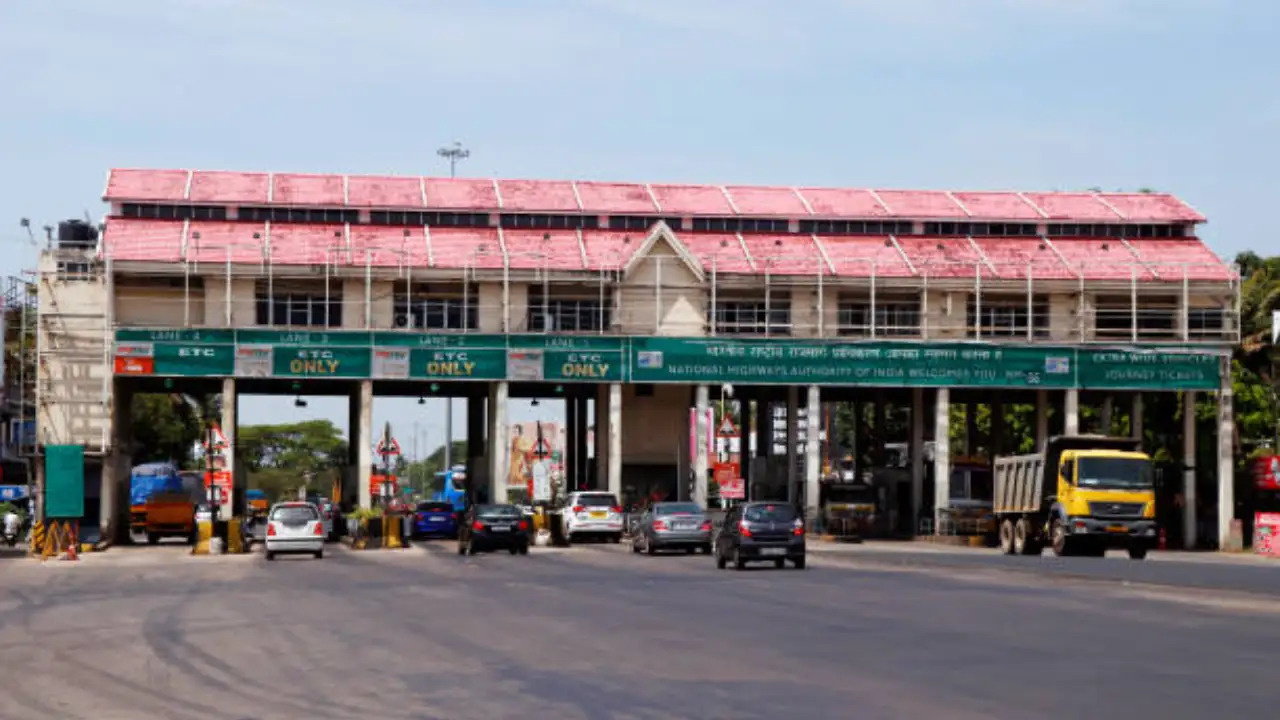
Goverment to roll out 5,000 highway rest stops every 30–40 km with toilets and food courts
The Ministry of Road Transport & Highways (MoRTH) has unveiled an ambitious plan to establish at least 5,000 new Wayside Amenities (WSAs) along national highways and expressways. This massive infrastructure push, aimed at providing essential services every 30-40 km, marks a pivotal moment in the nation’s efforts to create a world-class road network. The move is designed to combat a long-standing issue for travellers and commercial drivers—the lack of access to clean, reliable, and hygienic rest facilities. The initiative is not just about building new structures; it’s a strategic public-private partnership model to create a more equitable and eco-friendly transportation ecosystem.
By standardising amenities and promoting local economies, the government is signalling a shift towards a more user-centric approach to infrastructure development, which will be critical for a zero net-carbon and sustainable future. The strategy outlines a new franchise-based model led by the Ministry’s agency, the National Highways Logistics Management Ltd. (NHLML), inviting private sector participation on private land. This innovative approach is a necessary acceleration of the existing plan, under which NHLML is already developing about 900 WSAs on government-owned land. The new draft policy details the criteria for eligible land parcels and the mandatory facilities required, ensuring a uniform standard of quality and service. To be considered, a plot must be located next to a national highway, have clear ownership, and remain free of any legal disputes. This framework aims to attract investment and expertise from the private sector while maintaining government oversight on quality and public welfare. The model also offers a 30-year lease option to landowners who prefer not to develop the amenities themselves, providing a stable, long-term revenue stream for private citizens while addressing a critical public need.
Beyond a simple rest area, these WSAs are envisioned as multi-functional hubs designed for a diverse range of users. Mandatory facilities will include food courts, convenience stores, washrooms with baby care rooms, and first-aid medical facilities. A key component of the plan is the focus on sustainability and community empowerment. Each WSA must incorporate outlets to promote local artisans and Self-Help Groups, providing a platform for regional crafts and products. Furthermore, the plan places a special emphasis on the welfare of commercial drivers, a cornerstone of the nation’s logistics chain, by mandating affordable dhabas, resting spaces, and dormitories. These measures not only make highways safer for all but also create a more gender-neutral and equitable travel environment, ensuring that female travellers, families with infants, and professional drivers have access to dignified and essential services.
The inclusion of both mandatory and permissible facilities such as EV charging stations, self-laundry, and outdoor gyms paints a picture of a modern, forward-thinking infrastructure network. The push for these widespread facilities is a crucial part of the government’s broader vision to make Indian highways faster, safer, and more comfortable. By creating a robust network of well-equipped rest stops, the government is not only enhancing the immediate travel experience but also laying the groundwork for a more efficient and reliable logistics sector. This initiative is a strategic investment in the nation’s economic future, aligning with the goal of developing high-speed corridors every 200 km by 2047, ensuring seamless, reliable, and sustainable travel across the country for decades to come.