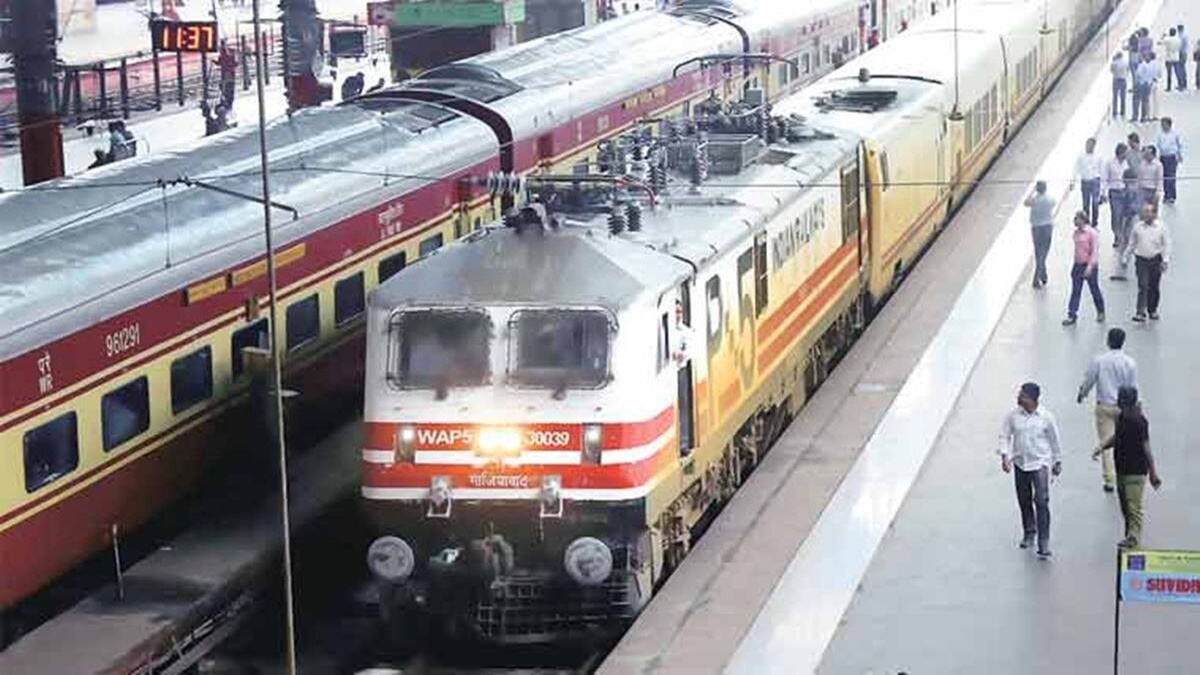
Gorakhpur Rail Plans Approved for New Line and Gauge Conversion in Terai
Gorakhpur is at the forefront of a significant railway infrastructure development aimed at bolstering connectivity in the Himalayan foothills. The Ministry of Railways has approved the final location survey for a new 120-kilometre rail line between Bhira Kheri and Raiboja, alongside gauge conversion surveys for the Mailani-Bhira Kheri and Nanpara-Raiboja sections. This strategic investment promises to integrate remote areas into the national broad gauge network, fostering equitable development and sustainable economic growth in the Terai region.
This comprehensive railway project is set to transform the connectivity landscape of Bahraich and Kheri districts. Once completed, the initiative will establish seamless broad gauge connectivity from Mailani to Nanpara, effectively bringing these previously underserved areas into the mainstream of national development. The enhanced rail access is expected to stimulate local economies, facilitate the movement of goods and people, and improve access to essential services, thereby contributing to the creation of more inclusive and gender-neutral communities.
The approved cost for the survey, which includes the preparation of a detailed project report alongside the Final Location Survey (FLS), stands at ₹3.58 crore. This initial investment underscores the government’s commitment to meticulous planning and execution for large-scale infrastructure projects. A notable aspect of the new rail line between Bhira Kheri and Raiboja is its planned alignment outside the sensitive Dudhwa National Park. This conscious decision reflects a proactive approach to minimise ecological impact, aligning with the broader agenda of fostering zero net carbon and eco-friendly development, ensuring that progress does not come at the expense of environmental integrity.
Furthermore, the broad gauge line is anticipated to offer a strategic alternative route connecting to major metropolitan centres, including Delhi. This improved connectivity will not only enhance passenger convenience but also provide crucial logistical advantages for freight movement, supporting agricultural and industrial sectors in the region. The project’s focus on integrating remote areas into the national network is a vital step towards reducing regional disparities and ensuring that the benefits of economic growth are distributed equitably across all sections of society.
This railway expansion in the Terai region represents a significant stride towards building a robust and resilient transportation backbone. By enhancing connectivity, the project is poised to unlock new opportunities for trade, tourism, and employment, contributing to the overall socio-economic upliftment of the Himalayan foothills. The emphasis on environmental consideration during planning also sets a precedent for future infrastructure projects, demonstrating a commitment to sustainable development practices that balance progress with ecological preservation.