


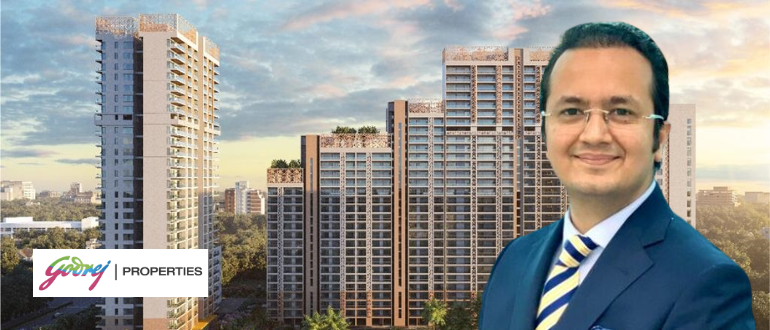
New Delhi witnessed a distinctive shift in residential handovers as a major developer inaugurated key possession at a South Delhi housing project with a wellness-oriented approach. The event, held on January 30, transformed the usual transactional handover into an experiential introduction, reflecting evolving urban homebuyer expectations in dense metropolitan settings.
The project, located in Okhla, integrates health, environmental sustainability, and community planning into its design. Experts note that in cities like Delhi, where poor air quality and high urban density impact daily life, residential projects that embed wellness and clean-air technologies are increasingly relevant. Analysts highlight that developments which incorporate health-focused planning not only improve quality of life for residents but also align with emerging urban policy priorities emphasizing liveable, climate-resilient communities. Central to the development’s design are interventions aimed at improving indoor and outdoor air quality. Indoor spaces feature centralised treated fresh air systems, while open areas are enhanced with mechanical filter-less circulation technologies. Urban planners suggest that such integrated systems are among the few large-scale examples in Delhi that actively address air quality at the design stage, rather than as an afterthought, marking a broader trend toward wellness-led architecture in India’s high-density neighbourhoods. The handover initiative also incorporated a community-focused framework, reflecting changing buyer priorities. Rather than simply transferring keys, the event emphasised collective well-being and engagement, with curated rituals designed to foster a sense of belonging. Industry insiders note that as urban housing markets mature, homebuyers increasingly value social and environmental quality alongside traditional measures of luxury or aesthetics.
Wellness-led urban design is emerging as a defining characteristic for premium residential developments, particularly in regions where environmental constraints are significant. Developments that combine green buffers, enhanced ventilation, and open recreational spaces signal a shift toward sustainable and liveable city planning. Experts observe that such strategies contribute to long-term urban resilience by improving microclimates, promoting healthier lifestyles, and mitigating stress on city infrastructure. The Okhla project exemplifies this trend, blending conventional residential amenities with interventions that directly enhance resident health and comfort. Observers emphasise that as Delhi grapples with pollution and limited green spaces, such integrated design approaches are likely to influence future urban housing norms, particularly for luxury and high-end segments.
For urban residents, this handover represents more than occupancy it reflects a model of residential development that foregrounds wellness, environmental responsibility, and community cohesion. Analysts predict that experience-driven handover processes, coupled with health-oriented design, will become increasingly standard in metropolitan residential markets seeking to reconcile density with liveability.
Also Read: Kowori Group Targets Boutique Housing Segment
Godrej South Estate Marks Health Centric Launch
