


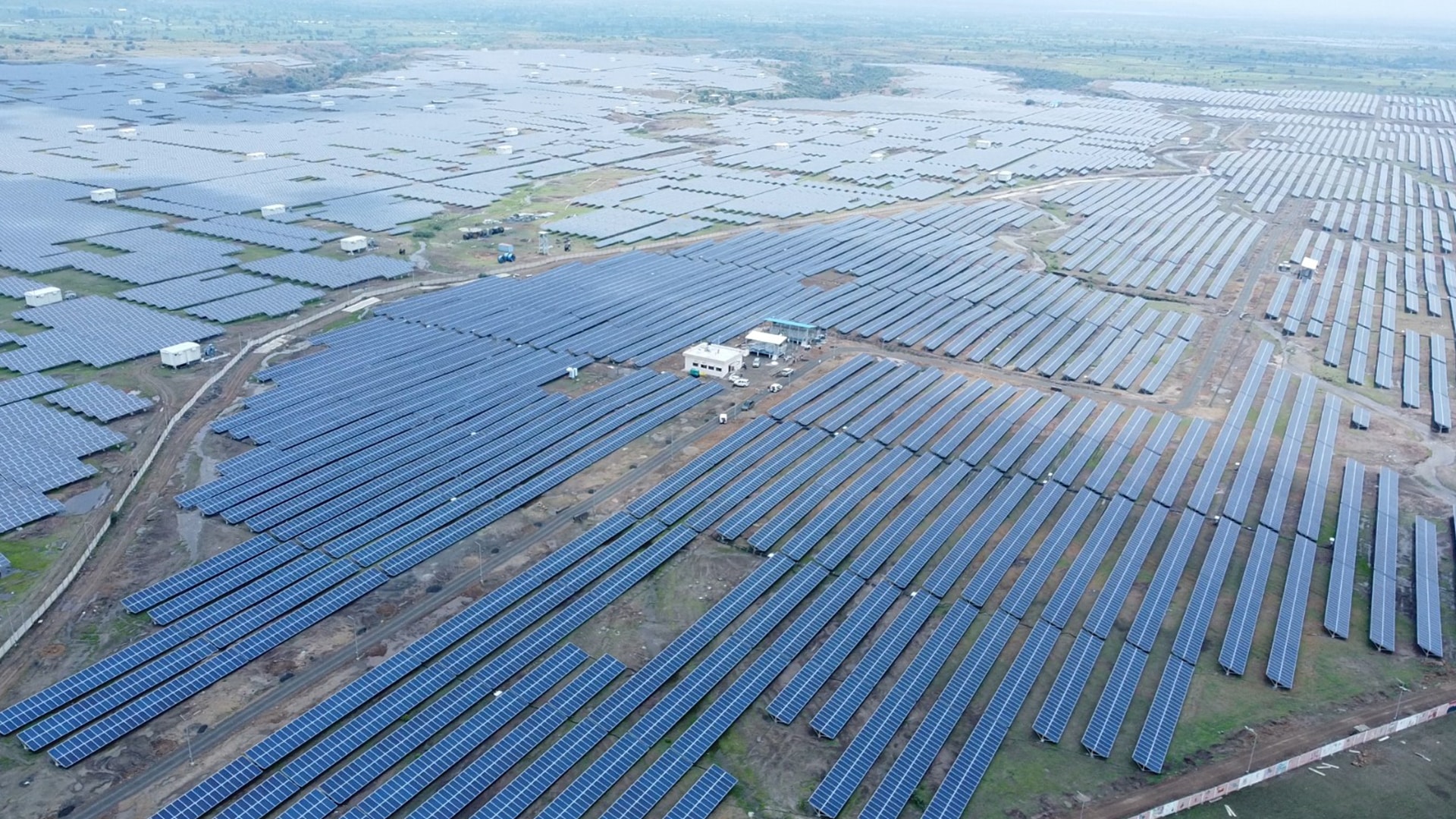
India’s industrial sustainability goals, Godrej Enterprises has launched a 2 MWp solar power project at an FMCG manufacturing facility in Guwahati, Assam.
The initiative, expected to generate over 2.4 million units of green electricity annually, marks a significant stride towards reducing carbon dependency in one of the country’s most energy-intensive sectors. The rooftop solar installation will not only slash the plant’s carbon footprint by nearly 100 tonnes per year but will also deliver financial efficiency — saving an estimated ₹1.4 crore annually in energy costs. This comes at a time when corporations are being urged to align their operations with the national target of 500 GW of non-fossil fuel capacity by 2030.
Speaking on the milestone, Raghavendra Mirji, senior executive at Godrej Energy Solutions, highlighted the need for India’s industrial segment to act decisively. “The sector is at a critical inflection point. Our energy choices today will shape our resilience tomorrow. This project exemplifies how cost-effective and sustainable energy models can co-exist,” he said. The Guwahati facility’s solar power project is not an isolated example but part of a broader, long-term strategy. Assam itself has laid out an ambitious renewable roadmap with a 2,000 MW target by 2025. Godrej’s contribution, therefore, reinforces both state and national ambitions, while serving as a template for other industrial players operating in the East and North-East regions of India.
The clean energy shift is also essential for decarbonising urban economies, especially those driven by fast-moving consumer goods. FMCG operations are typically heavy consumers of electricity for packaging, refrigeration, and production — making them prime candidates for solar adoption. Godrej’s intervention ensures that green energy isn’t just aspirational but operational. In parallel with environmental benefits, the solar rollout is expected to bolster Assam’s clean-tech supply chains, spur green jobs, and attract interest from investors prioritising ESG (Environmental, Social, and Governance) metrics. It also represents a practical leap toward decentralised energy models that reduce stress on grid infrastructure.
As climate vulnerabilities intensify across Indian cities, especially in monsoon-impacted regions like Assam, decentralised and resilient energy infrastructure has become more than an economic choice — it is an ecological imperative. Godrej’s efforts in Guwahati show that industry leaders can integrate profitability with planet-positive practices. While challenges remain in scaling renewable infrastructure across varied geographies, Godrej’s Assam solar initiative sends a clear message — sustainable growth is not only viable but already underway.
Also Read:Maharashtra Unveils Plan to Boost Shipbuilding
