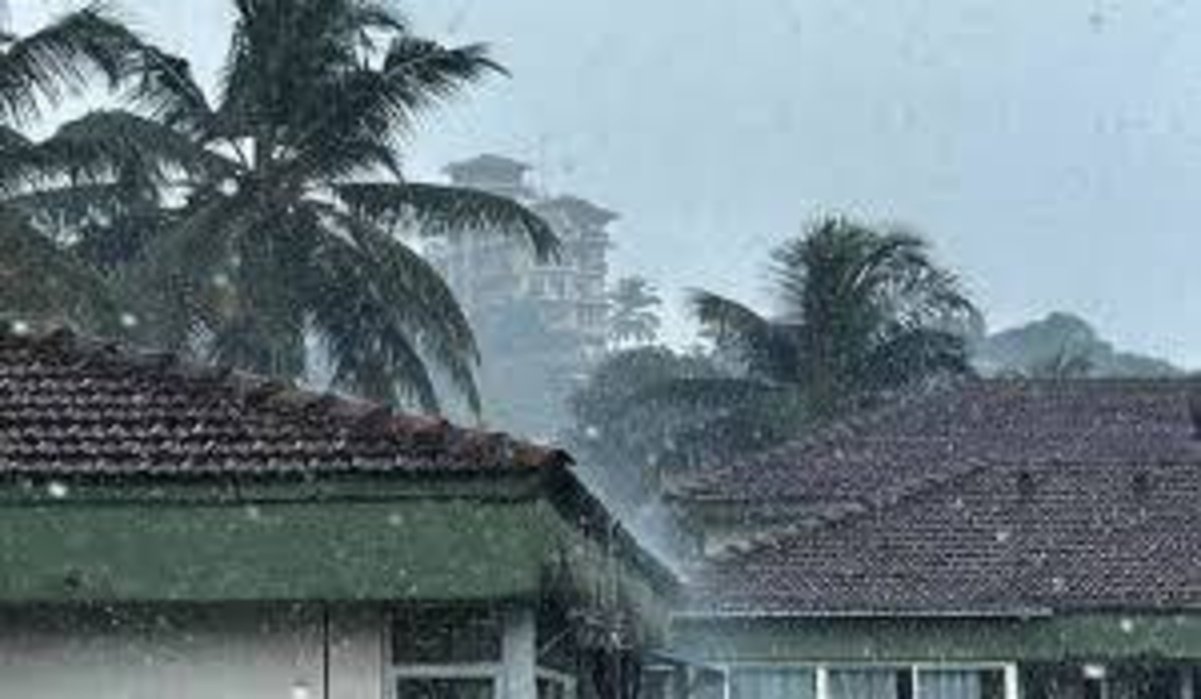
Goa has been placed under a short-term weather watch as the India Meteorological Department issued a yellow alert for March 18 and 19, flagging the likelihood of moderate but potentially disruptive weather conditions. The advisory comes at a time when coastal regions are increasingly being assessed for their readiness to handle sudden climate variations outside traditional monsoon cycles.
A yellow alert typically signals conditions that may not be extreme but could still affect daily life, infrastructure systems, and localised mobility. In a state like Goa, where urban settlements, tourism hubs, and ecological zones are closely interlinked, even short-duration weather disturbances can expose vulnerabilities in drainage, transport, and public safety systems. Officials have advised residents and local authorities to remain vigilant, particularly in low-lying areas that are prone to waterlogging. Urban planners note that such advisories are becoming more frequent, reflecting a broader shift in weather patterns linked to climate variability. For rapidly urbanising coastal regions, this raises questions about how infrastructure is designed and maintained.
The Goa weather alert also has implications for the state’s economy, which is heavily reliant on tourism and service sectors. Unexpected weather disruptions, even if moderate, can affect travel plans, outdoor activities, and hospitality operations. Industry observers suggest that improving real-time communication systems and contingency planning is essential to minimise economic disruptions. From an infrastructure standpoint, the alert highlights the importance of resilient urban systems. Drainage networks, in particular, remain a critical concern in several parts of Goa, where intense but short bursts of rainfall can overwhelm existing capacity. Experts emphasise that cities must invest in adaptive infrastructure capable of handling unpredictable weather events, rather than relying solely on historical climate patterns.
The Goa weather alert also underscores the need for integrated urban planning that accounts for environmental sensitivities. Coastal ecosystems such as wetlands and mangroves play a vital role in absorbing excess water and mitigating flooding risks. However, increasing development pressure on such areas can reduce their natural buffering capacity, making urban settlements more vulnerable.
In recent years, policymakers have begun to incorporate climate resilience into planning frameworks, but implementation remains uneven. A senior urban expert notes that early warning systems, combined with community awareness and responsive governance, are key to reducing the impact of such weather events.
As climate patterns continue to evolve, alerts like these are likely to become a routine part of urban management. For Goa, the challenge will be to move beyond reactive measures and build systems that anticipate and absorb environmental shocks while supporting sustainable growth.
Goa Weather Alert Signals Early Climate Risks