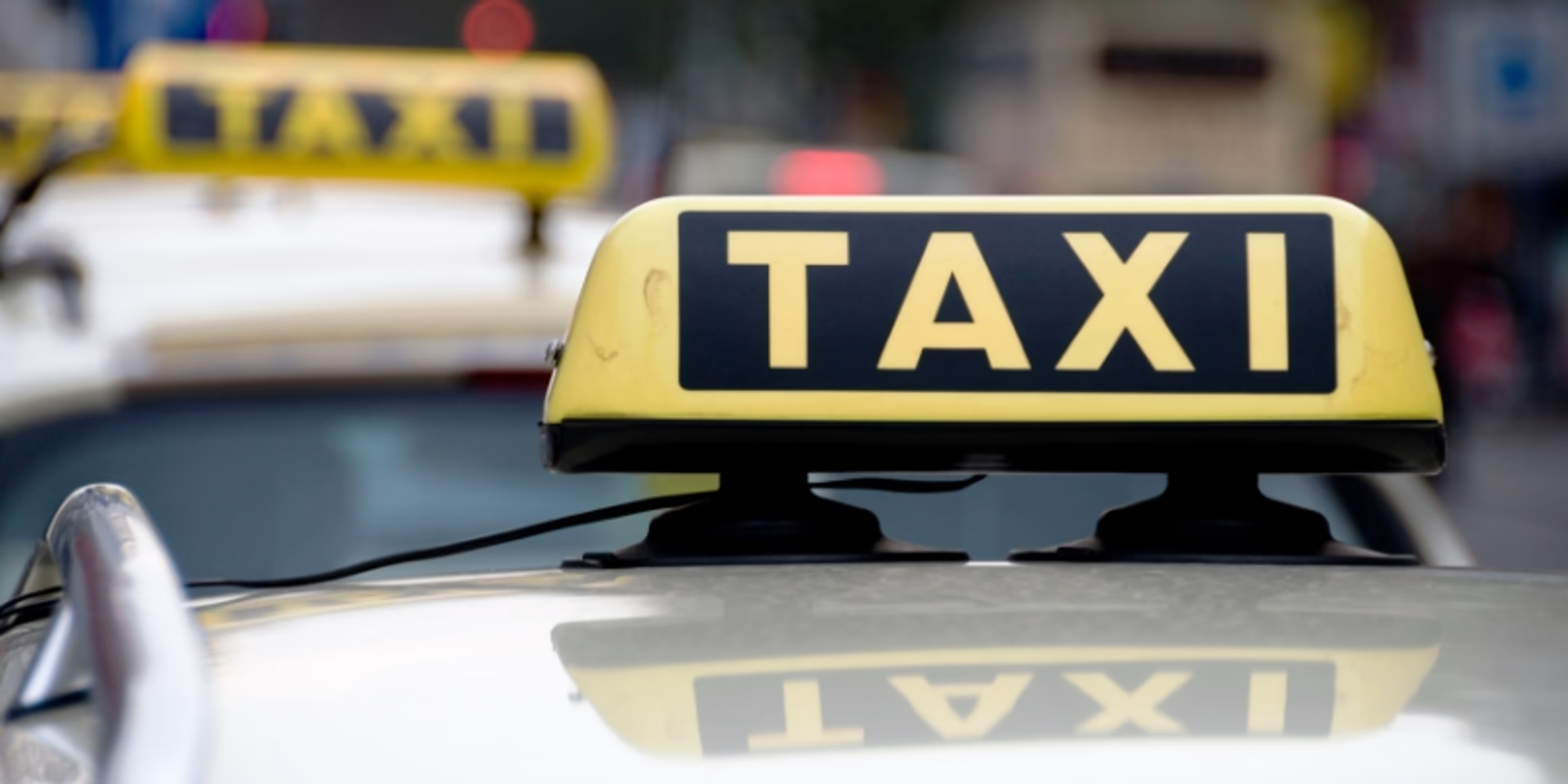
Goa’s attempt to modernise its taxi services through a unified digital platform has hit a roadblock after discussions between the state government and multiple taxi associations ended without agreement. The proposed Goa taxi digitisation policy, aimed at creating a common system for bookings and standardised fares, has faced resistance from operators who fear that app-based models could disrupt traditional livelihoods.
The discussions were part of the state’s broader plan to integrate taxi services into a digital mobility ecosystem that improves pricing transparency and service reliability for residents and tourists. Officials believe that introducing a unified platform could help streamline bookings, regulate fares and create a reliable transport network in one of India’s most visited tourism destinations. However, several taxi unions have expressed concerns about the structure of the proposed system. Representatives from different associations indicated that while technology-driven services are inevitable in modern urban mobility systems, operators are wary of platforms that resemble aggregator models. Many drivers believe that app-based booking systems could increase competition and alter existing fare dynamics.
Following the meeting, authorities constituted a small committee of transport department officials to review the concerns raised by taxi groups and examine possible adjustments to the policy framework. The committee is expected to collect written submissions from taxi operators and prepare recommendations before the government moves forward with any regulatory decision. Transport policy specialists note that the Goa taxi digitisation proposal reflects a wider shift across Indian cities and tourism centres toward digital mobility services. Several states have been exploring unified platforms that can connect independent taxi operators with passengers through technology, while still allowing drivers to remain outside large private aggregator networks.
Tourism planners argue that digital systems can improve service predictability in destinations with high visitor volumes. Goa’s transport network, which relies heavily on taxis due to limited mass transit options, plays a central role in shaping the travel experience for millions of visitors each year. Transparent pricing and reliable booking systems are increasingly viewed as essential components of sustainable tourism infrastructure. At the same time, labour economists emphasise that policy transitions must account for the concerns of local driver communities. Many independent operators rely on traditional stand-based systems and negotiated fares, and sudden technological shifts can create uncertainty about earnings and job stability.
Urban mobility experts also point out that digitisation can generate valuable transport data that supports better planning. Data from booking platforms can help governments understand travel patterns, identify demand hotspots and design future mobility solutions such as electric taxi fleets or shared transport systems that reduce congestion and emissions. The challenge for policymakers is to build a system that balances modern service standards with local economic realities.
The Goa taxi digitisation initiative sits at the intersection of tourism management, urban mobility reform and livelihood protection for thousands of drivers. Officials involved in the process indicate that further consultations will take place in the coming weeks before a final policy framework is prepared. Whether the state can align the interests of taxi operators, tourists and regulators will determine how quickly Goa transitions towards a more organised and technology-enabled transport ecosystem.
Goa Taxi Digitisation Plan Faces Industry Resistance