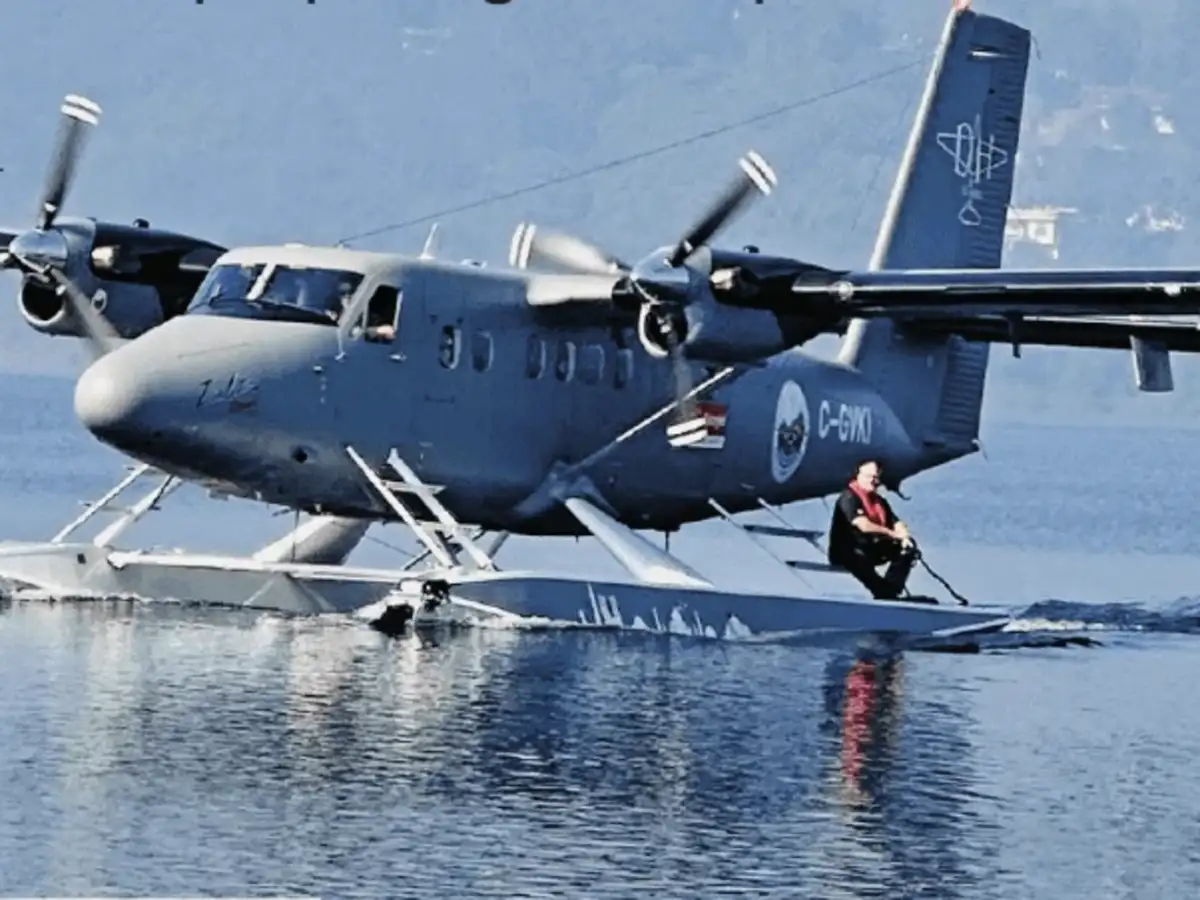
Goa’s plan to introduce water-based aviation services has been shelved after failing to progress beyond initial approvals, underscoring the complexities of executing alternative transport infrastructure in environmentally sensitive regions. The proposed seaplane routes, envisioned to improve regional connectivity, have been discontinued due to operational and infrastructure constraints. The Goa seaplane project was part of a broader national effort to expand last-mile air connectivity through the use of water aerodromes. Coastal locations in both northern and southern parts of the state had been identified for potential operations, with plans to integrate short-haul aerial routes into the local mobility network.
However, officials indicate that the Goa seaplane project encountered multiple hurdles, including the lack of readiness from the selected operator and delays in developing essential infrastructure at the identified sites. Without adequate facilities to support safe take-offs and landings, the initiative was unable to move forward.
Urban infrastructure experts note that such projects require a high degree of coordination between aviation authorities, environmental regulators, and local administrations. In coastal ecosystems like Goa, additional scrutiny is often required to assess the impact on marine biodiversity, water quality, and traditional livelihoods such as fishing.
Concerns raised by local communities also played a role in shaping the project’s trajectory. Proposed landing zones along key river systems had triggered apprehensions regarding ecological disruption and interference with existing economic activities. This reflects a broader tension in infrastructure planning, where development ambitions must be balanced with environmental preservation and community interests.
From an economic standpoint, the Goa seaplane project was expected to enhance tourism by offering faster connectivity between key destinations. Industry observers suggest that while the concept remains viable, execution challenges have limited its adoption across several regions in India.
The setback also highlights the importance of readiness in public-private partnership models. Even with central funding support for developing water aerodromes, the absence of synchronised progress between infrastructure creation and operator preparedness can delay or derail projects. For urban planners, the episode reinforces the need for comprehensive feasibility assessments before launching specialised transport initiatives. Factors such as environmental clearance timelines, technical viability, and stakeholder alignment must be addressed early in the planning process to ensure smoother implementation. Looking ahead, while the Goa seaplane project has been discontinued for now, the idea of diversifying transport modes in coastal states is likely to remain relevant. Future attempts may depend on stronger institutional coordination, clearer regulatory pathways, and infrastructure designed to align with both ecological and urban development priorities.