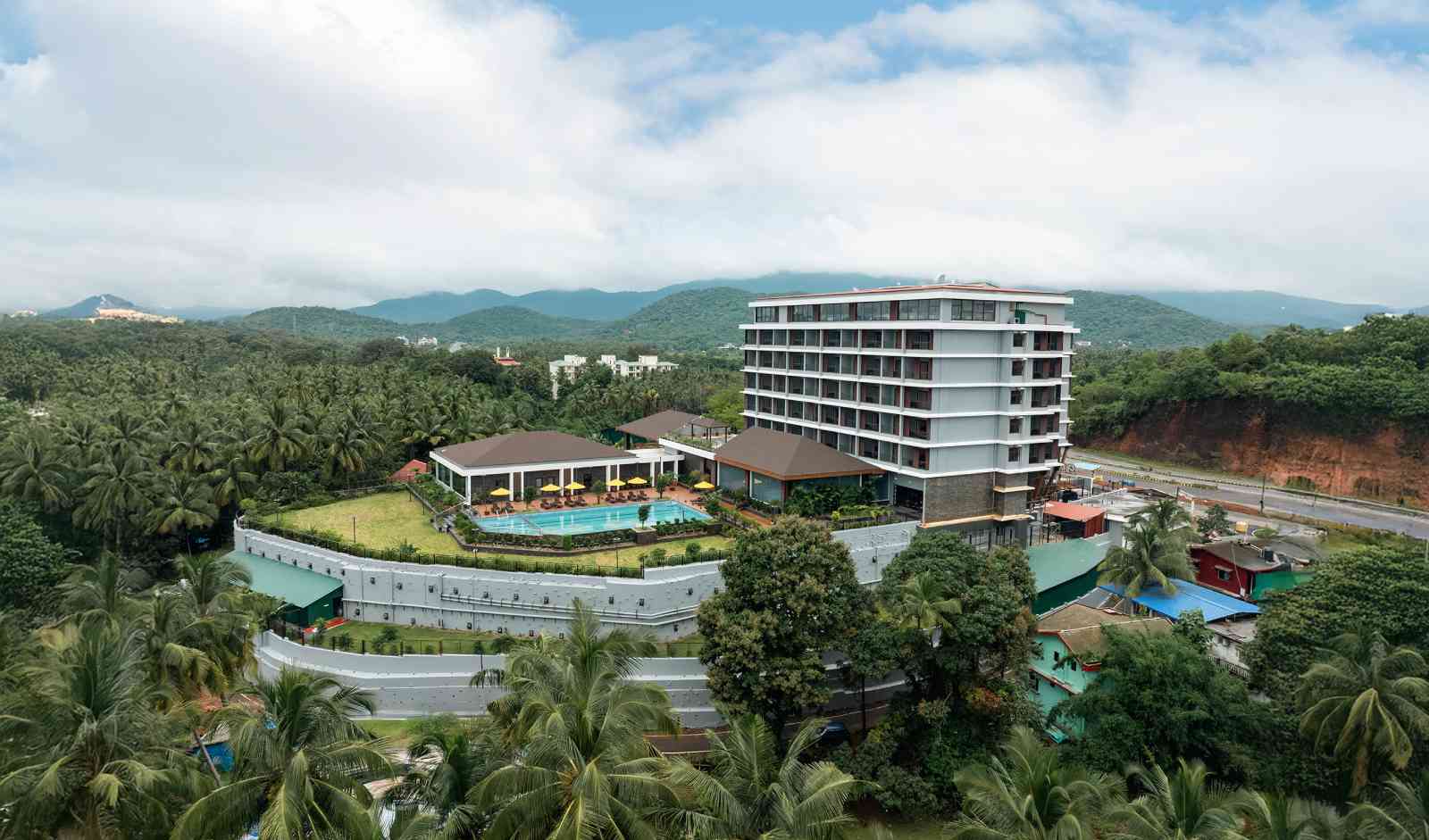
Hilton has formalised plans to introduce its top-tier Waldorf Astoria brand to India’s leisure market with a new beachfront resort in Goa, scheduled to open at the end of the decade. The signing marks a notable shift in India’s luxury resort pipeline, where global operators are cautiously expanding amid rising demand for premium experiential stays.The proposed 148-room property will be developed by West Coast Hotels Pvt Ltd, a joint venture between VS Dempo Group and Triton Hotels and Resorts. The long gestation period with operations expected around 2030 reflects both the scale of investment and the complexity of executing high-end hospitality projects in environmentally sensitive coastal zones.
India’s luxury resort market has remained relatively supply-constrained compared to urban five-star segments. However, tourism recovery, stronger domestic spending and improved air connectivity are reshaping demand patterns. Goa, already one of the country’s most mature holiday destinations, continues to attract institutional capital due to established infrastructure and a year-round visitor base. The entry of a global luxury resort flag signals confidence in the depth of India’s upper-end leisure market. Industry analysts note that high-net-worth domestic travellers are increasingly seeking private, design-led properties within India rather than travelling overseas. International arrivals, though still stabilising post-pandemic, are also contributing to premium room night growth in established coastal destinations.
From an urban development perspective, large-format resorts play a significant role in shaping land use and infrastructure planning. Coastal hospitality projects require extensive compliance around shoreline regulation, water management and waste treatment. Urban planners emphasise that long-term viability in Goa will depend on climate-sensitive design, renewable energy integration and minimal ecological disruption — particularly as the state confronts rising environmental stress. Hospitality consultants suggest that globally branded luxury resort developments are being evaluated not merely as tourism assets but as components of broader economic ecosystems. They generate direct employment, stimulate local supply chains and influence real estate values in surrounding micro-markets. However, sustainability metrics and community integration are becoming increasingly important to investors assessing long-term risk.
For Hilton, expanding its Waldorf Astoria presence into India complements its broader Asia-Pacific growth strategy. The group already operates across multiple segments in India’s metro and business hubs, but its luxury resort portfolio has so far lacked a flagship leisure destination in the country. As India’s travel economy matures, measured additions in the luxury resort category could recalibrate the country’s global hospitality positioning. The success of projects like the Waldorf Astoria in Goa will depend not only on brand strength but on how responsibly they align with coastal resilience, infrastructure capacity and inclusive economic growth.