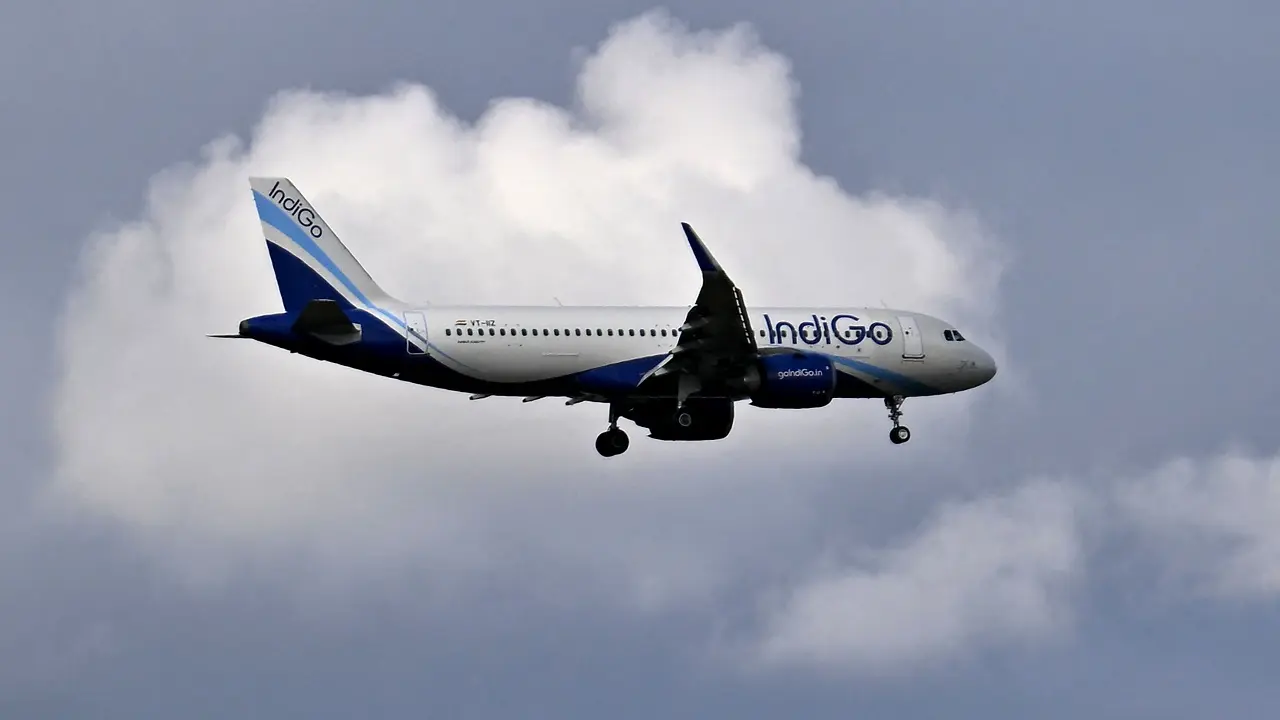
Goa’s air connectivity is undergoing a seasonal recalibration as IndiGo trims multiple routes from its summer schedule, reducing flight frequencies across both of the state’s airports. The adjustment, affecting more than 30 weekly services, reflects shifting travel demand patterns and highlights the volatility of regional air networks in tourism-dependent markets.
The changes impact operations at both Manohar International Airport in Mopa and the older Dabolim airport, with several direct connections to tier-2 cities temporarily withdrawn. Routes linking Goa to western and northern urban centres—including cities in Gujarat and central India—have been scaled back, reducing direct access for passengers who rely on point-to-point connectivity. Aviation analysts suggest that such decisions are largely driven by seasonal load factors, with airlines optimising fleet deployment to maintain profitability during lean travel periods. Summer months often see softer inbound leisure demand for coastal destinations like Goa, prompting carriers to redeploy aircraft on higher-demand routes. The Goa flight cuts are therefore part of a broader network management strategy rather than a structural withdrawal.
However, the impact on regional mobility is tangible. Direct air links between Goa and emerging business cities play a critical role in supporting not just tourism but also trade, small business travel, and workforce mobility. Reduced connectivity can lengthen travel times, increase reliance on connecting flights, and raise overall travel costs for passengers. Urban development experts point out that dual-airport cities such as Goa face unique challenges in maintaining balanced traffic distribution. While Mopa airport is being positioned as a future growth hub with modern infrastructure, Dabolim continues to serve established routes and passenger segments. Adjustments like these can temporarily shift traffic dynamics between the two, affecting airport utilisation rates and ancillary economic activity in surrounding areas.
There are also implications for the hospitality and real estate sectors. Consistent air connectivity is a key driver of tourist inflows, which in turn supports hotel occupancy, short-term rentals, and retail activity. A dip in direct flights—even if temporary—can influence booking patterns, particularly among travellers from smaller cities who prioritise convenience. From a sustainability lens, fewer flights could marginally reduce aviation emissions in the short term. However, experts caution that indirect travel through connecting routes may offset these gains if passengers are forced into longer itineraries. The challenge lies in aligning airline economics with efficient, low-emission travel networks.
Industry stakeholders emphasise that such route suspensions are typically reversible. As travel demand strengthens during peak seasons or festive periods, airlines often restore connectivity based on performance metrics. The flexibility of India’s aviation market allows for rapid adjustments, but it also underscores the need for more stable, demand-driven planning frameworks. For Goa, maintaining resilient and predictable air connectivity will remain critical as it balances its tourism economy with broader aspirations of becoming a year-round destination. The current Goa flight cuts serve as a reminder of how closely urban economies are tied to the rhythms of transport networks—and the importance of diversifying demand beyond seasonal peaks.