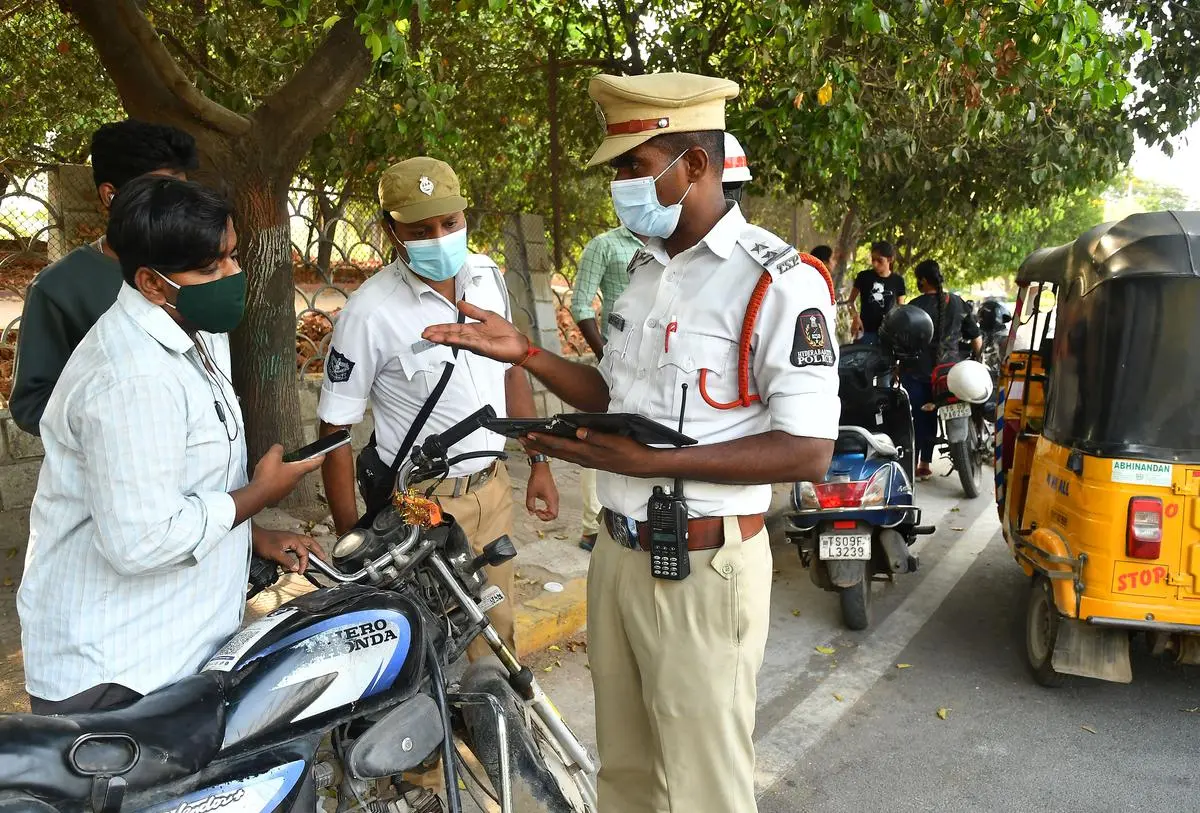
Goa Faces Public Outcry Over Faulty E Challan System as State Prepares AI Dashcam Rollout
Goa is witnessing growing public frustration over its malfunctioning e-challan system, just as the state government moves forward with launching the AI-based Goa Vehicle Authentication (GOVA) project. Citizens across multiple towns have reported receiving incorrect or exaggerated fines based on flawed data and faulty traffic infrastructure.
According to officials, multiple errors have emerged from outdated or improperly updated software, resulting in contradictory and automated fines for violations that never occurred. People have been penalized for traffic infractions like failing to stop for police or jumping signals, even in cases where no police interaction occurred or the signals were non-functional.
Public dissatisfaction has intensified after a recent government directive gave vehicle owners just seven days to clear outstanding challans. With the online payment system frequently crashing, long queues have formed outside RTO offices in cities like Panjim, Porvorim, and Mapusa. Residents reported wasting hours trying to contest or pay fines that were either issued incorrectly or based on defective data.
Further aggravating the situation, traffic signals in key areas have malfunctioned, triggering a surge in false red-light violation challans. Citizens argue that enforcement based on faulty systems only adds to their daily stress and financial burden.
Despite these ongoing issues, the state is pushing ahead with the AI dashcam-enabled GOVA system, which will detect and automatically fine traffic violations such as helmetless riding, lane cutting, and reckless driving. Experts warn that introducing such advanced surveillance without fixing the existing framework could lead to a spike in incorrect fines and further erode public trust.
Residents are demanding that the government first ensure transparency, repair broken infrastructure, fix digital payment portals, and establish a fair and responsive appeals mechanism before expanding into more technologically driven enforcement.
Until these foundational problems are addressed, citizens argue that rolling out a high-surveillance AI system is premature and could worsen the current chaos.