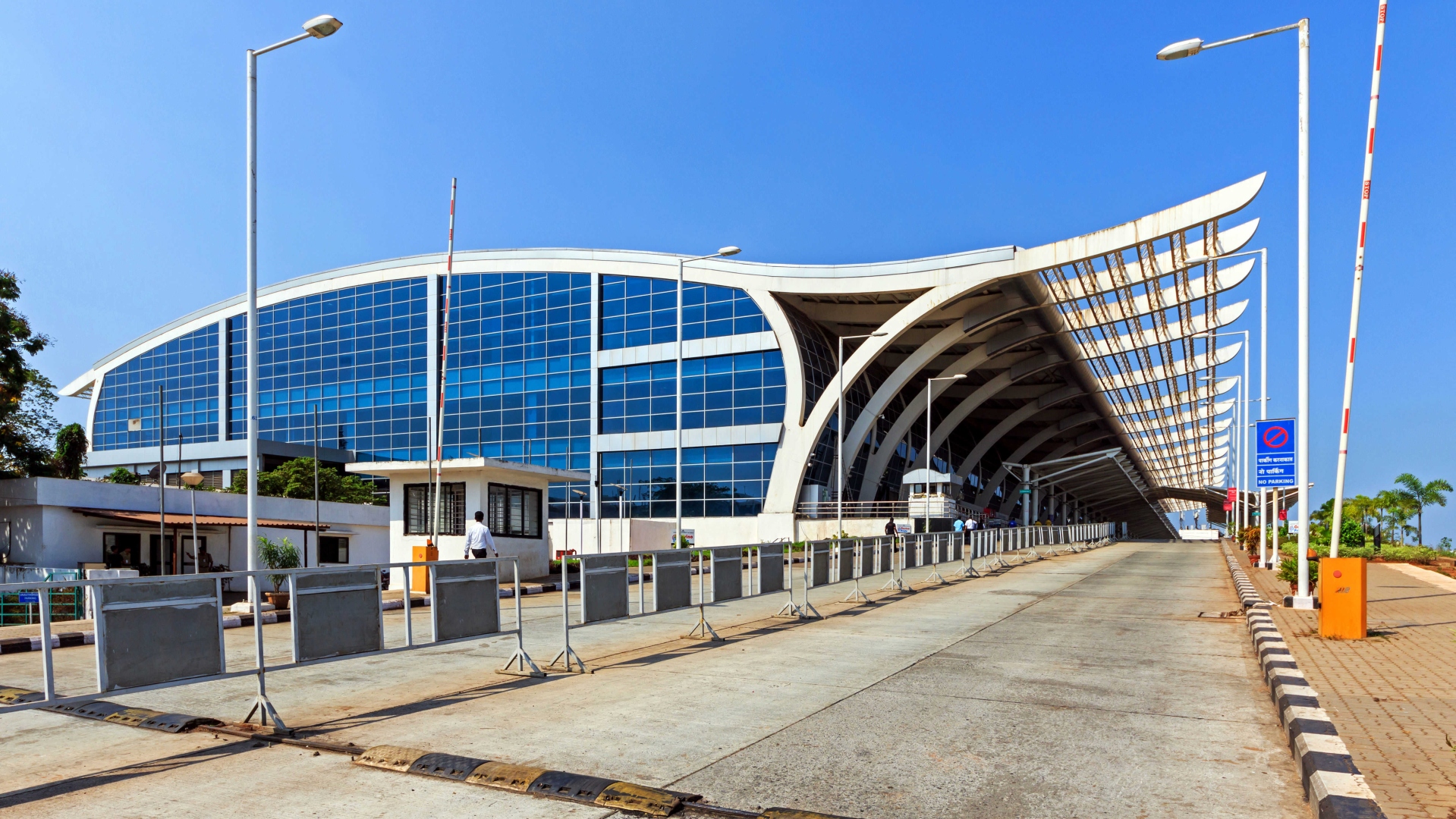
Uncertainty surrounding the Goa Dabolim airport future is beginning to ripple through South Goa’s property market, with developers, brokers and hospitality investors closely tracking policy signals that could reshape the region’s growth trajectory. While the state government has reiterated that civilian operations will continue, recurring speculation over a possible transition to exclusive defence use has injected caution into real estate transactions.
For decades, Dabolim has anchored South Goa’s tourism-led urbanisation. Residential enclaves, boutique hotels, serviced apartments and second-home communities evolved around predictable passenger flows. Property consultants estimate that proximity to the airport has historically commanded a premium in micro-markets such as Vasco, Colva and Benaulim, particularly among out-of-state buyers seeking easy air access. The commissioning of Manohar International Airport in North Goa has introduced a dual-airport dynamic. Airlines have redistributed routes based on operational efficiency, altering passenger entry points into the state. Real estate analysts say this shift is already influencing buyer sentiment. Investors evaluating holiday homes increasingly weigh travel time from the northern airport against established hospitality infrastructure in the south.
The Goa Dabolim airport future matters because aviation access shapes land values over long cycles. Airport proximity affects rental yields, occupancy rates and capital appreciation in leisure markets. In South Goa, short-term rental operators report that seamless connectivity remains a decisive factor for domestic tourists and international charter traffic. Developers, however, are adopting a wait-and-watch approach. A senior industry executive said that while no major projects have been paused, new launches are being calibrated more cautiously until policy clarity emerges. Banks and private equity funds typically price regulatory certainty into risk assessments; any ambiguity can influence financing terms.
At the same time, planners caution against overconcentration of development around a single aviation node. A balanced utilisation of both airports could distribute real estate growth more evenly across the state, easing pressure on coastal belts and enabling infrastructure upgrades inland. Transport economists argue that integrated mobility linking airports with rail, electric bus networks and low-emission road corridors will ultimately determine sustainable property expansion. Environmental considerations also intersect with the debate. Parts of North Goa have witnessed rapid land-use change following new airport-linked development. Urban designers emphasise that real estate expansion must align with water management systems, coastal regulation norms and climate-resilient building standards to protect long-term asset value.
Market observers suggest that, in the near term, coexistence between the two airports is the most probable scenario. If civilian operations at Dabolim remain stable, South Goa’s established housing and hospitality clusters could retain their appeal. However, prolonged ambiguity over the Goa Dabolim airport future may continue to temper speculative buying. For investors and homebuyers alike, aviation policy in Goa is no longer just about connectivity. It has become a defining variable in how land, livelihoods and long-term property value are assessed in one of India’s most tourism-dependent real estate markets.
Goa Dabolim Airport Future Clouds Housing