Goa Braces For Torrential Rains As Red Alert Issued By IMD
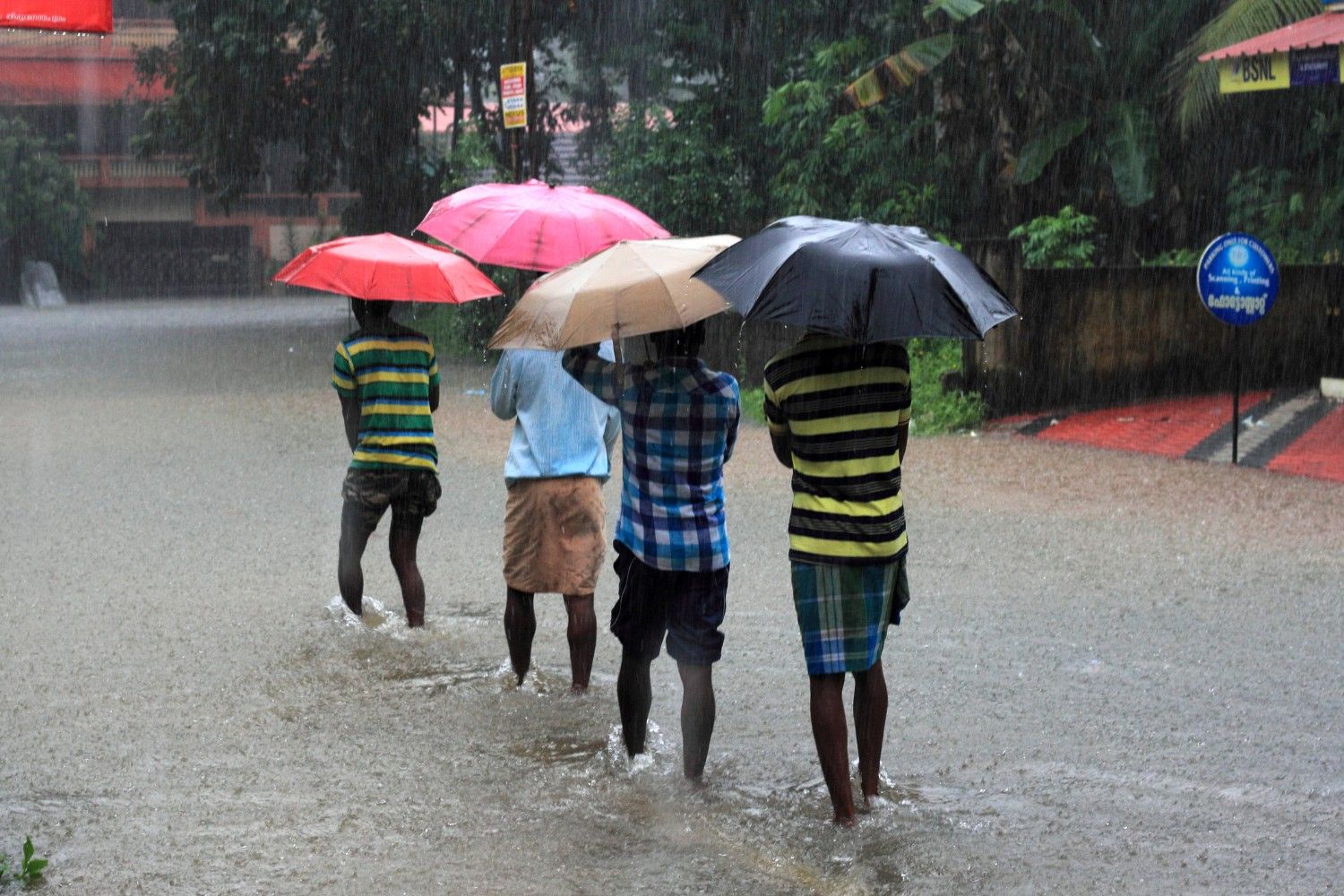
Goa has been placed on red alert for July 24 following a fresh warning from the India Meteorological Department (IMD) predicting extremely heavy rainfall across the coastal state. With squally winds expected to reach speeds of up to 60 kmph, officials have urged residents to exercise caution amid the intensifying monsoon system. The red alert is being seen as a critical response to sustained heavy showers, which have already pushed seasonal rainfall far above normal, while also triggering a noticeable dip in daytime temperatures. Authorities are now on high alert to monitor potential flash floods, urban waterlogging, and risks to marine activities.
The state’s western coast, from Mormugao to Panaji, recorded over 100mm of rain in multiple areas in the last 24 hours alone, marking some of the highest single-day rainfall this season. Dabolim, Panaji, and Mormugao remained among the worst hit, with readings of 114.8mm, 104.8mm, and 107.2mm respectively. The IMD bulletin further notes that isolated pockets could receive exceptionally heavy rainfall on July 24, followed by moderate to heavy rain on July 25 under an orange alert. Experts have warned of localised flooding, especially in low-lying urban settlements that are already saturated, placing added strain on civic drainage systems. Beyond immediate urban impacts, the monsoon’s current intensity is being viewed through a broader lens of climate vulnerability. With Goa receiving nearly 70 inches of rainfall since June 1, environmentalists have flagged the strain on the state’s fragile ecosystems and outdated stormwater infrastructure.
Urban planners and disaster management officials have been urging timely desilting of drains and strict adherence to coastal regulation norms to avoid further risks. Concerns over erosion, infrastructure damage, and public health implications are being raised, especially in informal settlements and peri-urban areas with limited protection. The IMD has also warned of rough sea conditions and gusty winds up to 65 kmph along the south Maharashtra-Goa coast until July 27, further disrupting fishing activities and marine transport. For coastal communities dependent on fishing and water-based livelihoods, this alert brings a renewed sense of vulnerability. Climate experts argue that such extreme events reflect shifting monsoon patterns linked to global warming and urban mismanagement. There is a growing demand for sustainable water drainage systems, decentralised rainwater harvesting, and nature-based solutions that can better equip cities like Goa to adapt to changing weather regimes.
With the red alert now in effect, civic bodies are deploying response teams, and residents are being advised to avoid unnecessary travel and stay indoors during high-risk hours. As rainfall continues to define Goa’s July climate, the focus now shifts to long-term climate-resilient infrastructure, early warning systems, and inclusive urban planning that protects both biodiversity and communities. The frequency of such red alerts underscores the need for cities to rethink flood preparedness in the face of intensifying weather extremes.