Goa Becomes Innovation Hub as Maker’s Asylum Empowers Young Creators
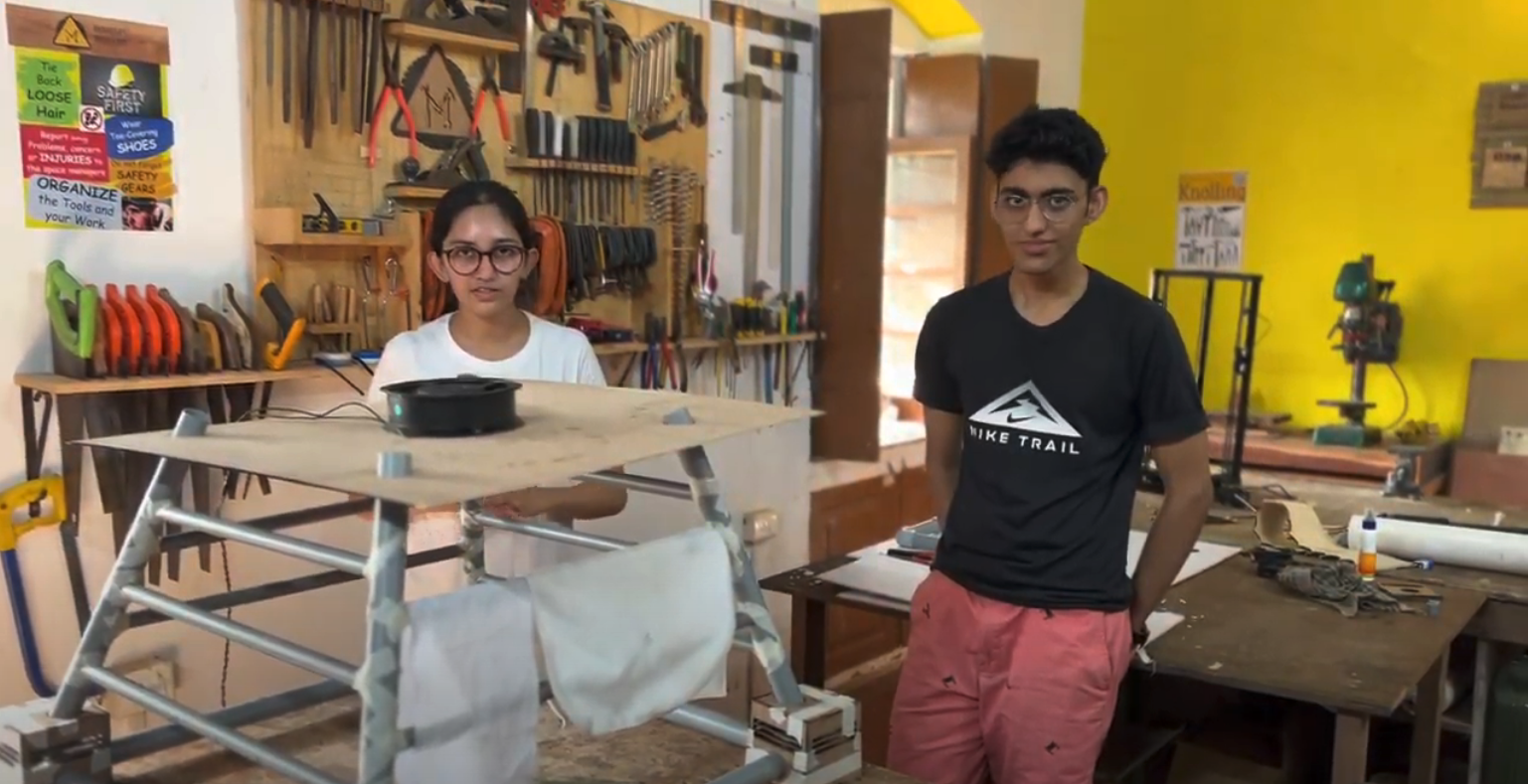
Goa is fast redefining its identity from a beach destination to a creative tech hub with Maker’s Asylum, a collaborative makerspace that nurtures innovation, sustainability, and community learning. Hosting youth from 15 countries and over 50 Indian cities, the facility provides tools and training in fabrication, electronics, and design, transforming curiosity into tangible prototypes. With a strong emphasis on accessibility, gender inclusion, and open-source collaboration, the space has become a launchpad for socially impactful projects and a model for India’s evolving innovation landscape.
Rooted in the idea of “learning by doing,” Maker’s Asylum offers hands-on workshops in skills such as woodworking, 3D printing, and digital fabrication. The platform fosters inclusive innovation, with a specific focus on empowering underrepresented groups. Many participants enter without prior technical training but go on to create products addressing real-world problems—from mobility aids to educational games. Goa’s supportive environment and the centre’s access to advanced tools have enabled these young minds to accelerate their development journeys beyond conventional classrooms or labs. The long-term impact of the makerspace is evident in the stories of several alumni who have gone on to lead startups in drone technology, edtech, and sustainable product design. Their journeys often begin with grassroots tinkering and evolve into high-impact ventures backed by funding and global recognition.
The space’s unique ability to fuse education with enterprise offers an alternate vision for skill development and economic empowerment, particularly in regions like Goa seeking post-tourism development models grounded in sustainability and tech-forward thinking. What makes the initiative especially transformative is its commitment to environmental and social good. Many projects developed within the space align with the UN’s Sustainable Development Goals, ranging from assistive devices for the differently abled to solar-powered inventions. Goa’s serene setting has also helped foster mindfulness in design—emphasising human-centred innovation.
As climate change and inequality redefine India’s urban priorities, such decentralised innovation ecosystems could play a pivotal role in building equitable, zero-carbon cities. As Maker’s Asylum continues to expand its reach, it offers Goa a fresh blueprint for the future—one where learning, making, and social impact converge. By equipping the next generation with tools not only to imagine but to build, the state is quietly but surely becoming a beacon for sustainable, inclusive progress in India.