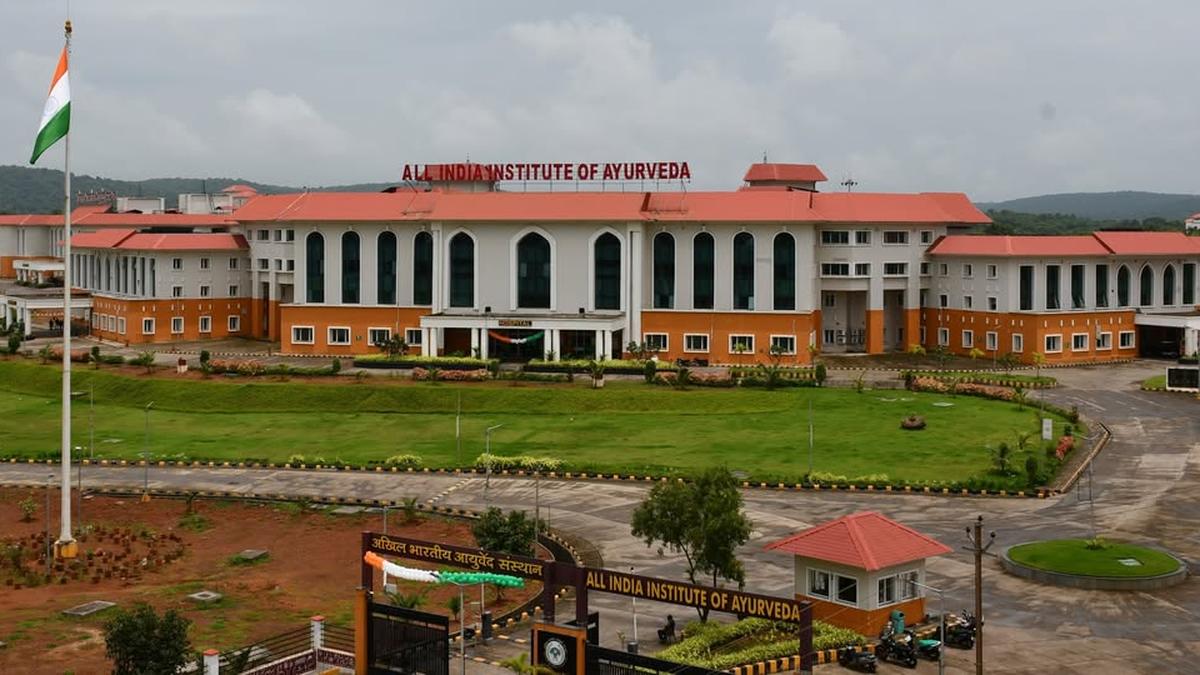
Goa has taken a step toward strengthening its traditional medicine ecosystem with the inauguration of new healthcare facilities at the All India Institute of Ayurveda campus in the state. The development marks an expansion of specialised medical infrastructure focused on Ayurveda-based treatment, research and training, highlighting how healthcare campuses are increasingly becoming anchors of regional health economies and urban institutional growth.
The upgraded services at the Ayurveda campus expansion were unveiled during an event aligned with International Women’s Day, reflecting a broader national push to improve access to traditional healthcare systems while investing in research and clinical infrastructure. Officials overseeing the initiative say the development forms part of a wider effort to expand Ayurveda facilities across India. The Goa campus is emerging as one of the key institutional hubs for Ayurveda-based clinical care and education in western India. Health planners say new facilities are designed to strengthen patient services while also improving the institute’s capacity for medical research, pharmaceutical development and training programmes.
Authorities have also outlined plans to significantly scale up the campus in the coming years. Proposed infrastructure includes a specialised cancer research centre, central research laboratories and expanded pharmaceutical manufacturing units for Ayurveda medicines. Such facilities could position the institute as a regional centre for integrative medicine research that combines traditional therapies with modern clinical studies. Experts note that investments in the Ayurveda campus expansion align with a broader trend of building specialised healthcare districts anchored by research institutes, universities and medical centres. These clusters often attract healthcare professionals, pharmaceutical industries and medical tourism, contributing to local economic development while expanding access to treatment.
For Goa, which already attracts visitors seeking wellness tourism and alternative therapies, strengthening institutional Ayurveda infrastructure could complement the state’s broader healthcare and tourism ecosystem. Urban planners say such campuses often evolve into knowledge hubs where education, research and clinical services operate within the same built environment. Institutional healthcare development also influences surrounding urban growth. Large medical campuses typically require supporting infrastructure such as housing for healthcare workers, research facilities, laboratories and transport connectivity. Over time, these elements can shape new neighbourhood economies and influence land use patterns in nearby areas.
Public health experts also highlight the role of traditional medicine institutions in expanding access to preventive healthcare and wellness services. Ayurveda systems emphasise long-term health management through diet, lifestyle and herbal medicine, which can reduce pressure on conventional hospital systems when integrated effectively. Officials involved in the project say the Goa institute will continue expanding its clinical and research capacities while strengthening partnerships with national health agencies and academic institutions. The aim is to develop a stronger research base for Ayurveda therapies while improving patient care services. As the Ayurveda campus expansion progresses, the institute could play a larger role in shaping healthcare infrastructure not only in Goa but across western India. For policymakers and urban planners, the initiative illustrates how specialised medical institutions can contribute to both public health capacity and regional economic development.
Goa Ayurveda Campus Expands Healthcare Infrastructure