


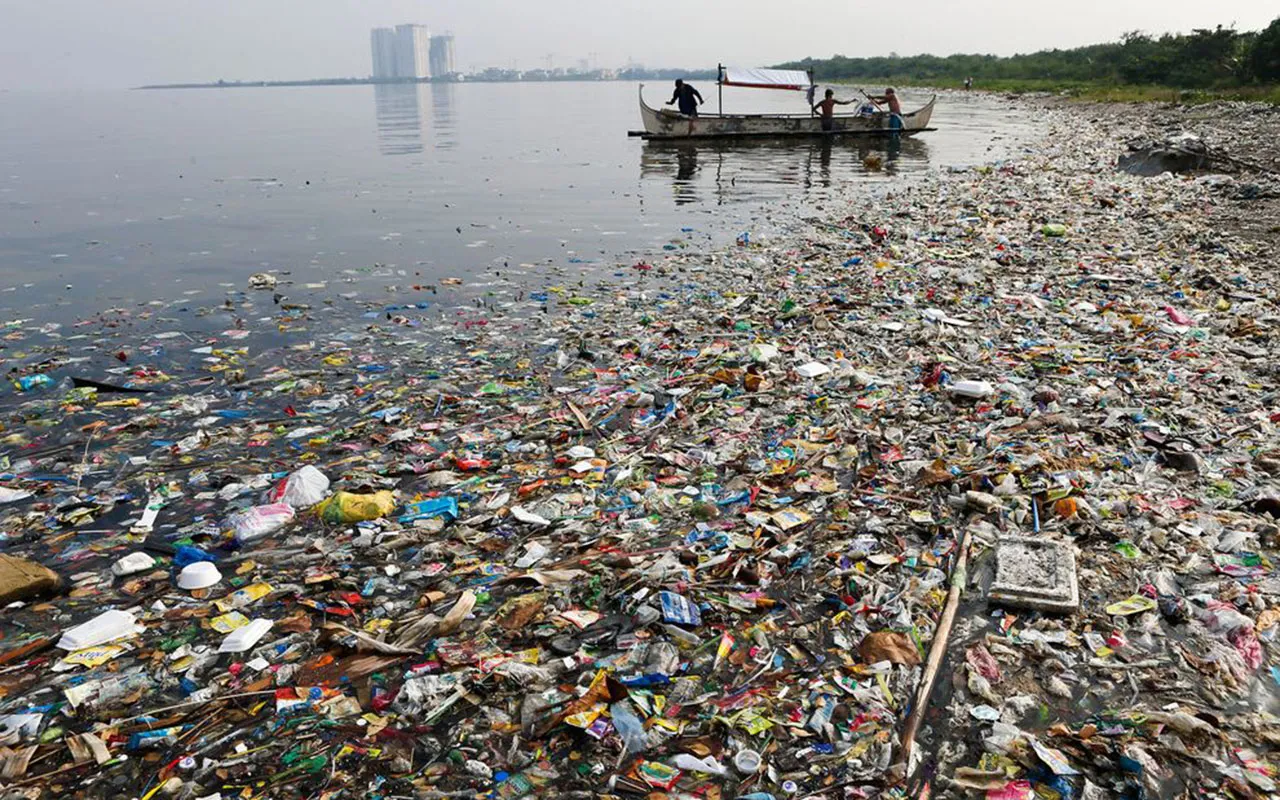
Humanity stands at a critical juncture, facing an unprecedented plastic pollution crisis that pervades every corner of the planet, from the deepest oceans to the highest mountain peaks. This pervasive environmental challenge poses a significant threat to planetary boundaries and severely undermines efforts to forge zero-net carbon, eco-friendly, sustainable, gender-neutral, and equitable cities worldwide. The Republic of Korea’s hosting of World Environment Day 2025, under the theme “Combating Plastic Pollution,” underscores the global imperative to urgently address this escalating menace.
The sheer scale of plastic proliferation is alarming. Reports from the United Nations indicate that over 430 million tonnes of plastic are produced annually, with a staggering two-thirds of this volume rapidly becoming waste. More than 11 million tonnes infiltrate the oceans each year, unleashing devastating consequences on marine life, disrupting delicate ecosystems, and posing insidious threats to human health through contamination pathways. This relentless accumulation directly impedes the development of robust, sustainable urban infrastructure, compromising the long-term health and growth trajectories of cities and their inhabitants globally.
Beyond its immediate environmental impact, plastic pollution has evolved into a profound economic challenge. Decades of unchecked industrial expansion and lenient concessions have imposed steep ecological costs that are now manifesting as tangible economic burdens. Lost productivity due to environmental degradation, surging healthcare expenditures linked to pollution-related illnesses, and escalating climate-related disaster recovery costs are increasingly impacting national Gross Domestic Products (GDPs). This highlights a critical market failure where businesses often externalise the true costs of environmental damage onto society, while retaining private profits, underscoring that green initiatives are not just ethical, but economically prudent.
Addressing this market failure necessitates innovative economic tools and robust policy frameworks. Strategies like Pigouvian taxes, which internalise externalities by charging polluters for the true social cost of their actions, have demonstrated efficacy. Pioneering examples include Ireland’s successful plastic bag levies that have significantly curbed usage, and Sweden’s globally lauded carbon tax model. For nations like India, broadening the green tax base, rigorously enforcing Extended Producer Responsibility (EPR) mandates, and strategically phasing out fossil fuel subsidies in favour of renewable investments are pivotal steps towards a cleaner, more sustainable, and economically efficient future.
Ending the plastic pollution crisis presents a unique opportunity to catalyse innovation and create new economic paradigms. This transition will open doors to revolutionary solutions, including the widespread adoption of biodegradable packaging, the development of scalable plastic alternatives, the embrace of comprehensive circular economy models, and significant advancements in recycling technologies. Such a shift promises to generate millions of green jobs and foster sustainable livelihoods, particularly in developing economies. Combating plastic pollution is therefore not merely an environmental necessity, but a profound social, economic, and moral imperative.
However, significant systemic challenges remain, particularly the lack of effective waste management infrastructure in many developing nations, leading to substantial leakage of plastic waste into the environment. Furthermore, global recycling systems remain woefully inefficient, with only approximately 9% of plastic waste currently being recycled. The vast majority is incinerated, consigned to landfills, or inexorably seeps into natural ecosystems. Therefore, tackling plastic pollution requires more than just clean-up efforts; it demands a fundamental rethinking of our relationship with plastic, inspiring behavioural shifts towards circularity, driven by robust policy, community participation, and digital innovation.
World Environment Day 2025 serves as an urgent call to action, urging a decisive shift from mere pledges to concrete practice. Governments must legislate boldly, implementing comprehensive policies to curb plastic production and consumption. Industries must innovate responsibly, investing in sustainable alternatives and closed-loop systems. And critically, individuals must live consciously, embracing principles of refusal, reduction, reuse, recycling, and rethinking plastic usage. Our environment is not a separate entity; it forms the foundational bedrock of our economy, health, life, livelihood, and indeed, human existence. To degrade this foundation is to devalue everything else.
Also Read: Bhopals 800 MW Wind Tender Drives Indias Renewable Energy Future Forward
