


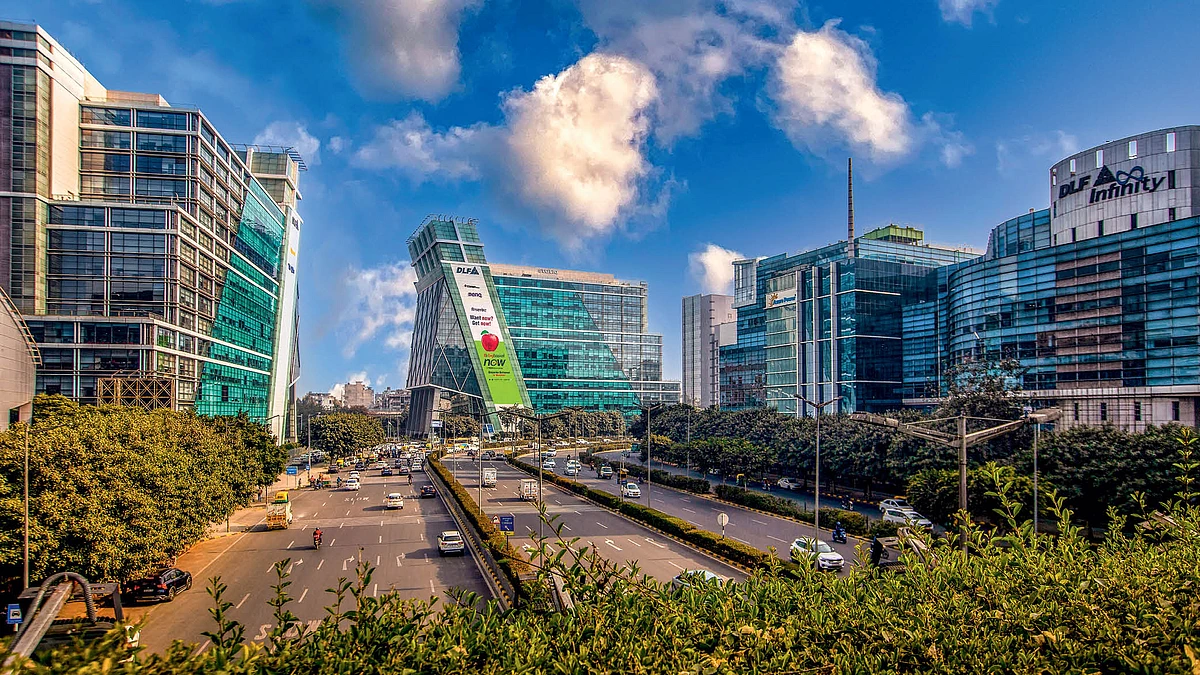
India’s office property market witnessed a decisive shift in 2025, with global corporations emerging as the primary occupiers of commercial workspaces across major cities, reinforcing the country’s position as a long-term destination for enterprise operations rather than short-term outsourcing.
Office leasing across India’s seven largest metropolitan regions crossed 83 million square feet during the year, marking a clear recovery in commercial real estate activity. More than half of this demand was driven by multinational firms expanding technology, finance, engineering, and back-office operations a trend urban economists say reflects structural confidence in India’s workforce and urban infrastructure. Cities including Bengaluru, Mumbai, Delhi NCR, Hyderabad, Pune, Chennai, and Kolkata collectively absorbed the new demand. Among them, Bengaluru continued to stand out as the most favoured destination for international occupiers, supported by a mature technology ecosystem, large talent pool, and relatively efficient office micro-markets. Mumbai and Delhi NCR followed, benefiting from diversified corporate activity and improved Grade A office supply. A significant portion of the leasing activity came from Global Capability Centres, which now form the backbone of India’s commercial office demand. These centres, once focused narrowly on cost arbitrage, are increasingly housing high-value functions such as product development, data analytics, finance, and sustainability operations. Urban development experts note that this evolution has implications for city planning, as demand shifts toward campuses with better transit access, energy-efficient design, and integrated amenities.
Domestic companies also remained active in the market, accounting for just over two-fifths of total leasing. Their participation reflects growing confidence among Indian enterprises, particularly in sectors such as financial services, technology platforms, and professional services. However, the scale and consistency of global demand continues to set the pace for new office development and investment decisions. Flexible and managed office operators were another visible force in 2025, responding to demand from both multinational and Indian firms seeking agile, scalable workspace solutions. This has accelerated the conversion of traditional office assets into hybrid formats, aligning with evolving work models that balance collaboration, employee well-being, and reduced commuting intensity. From a city-making perspective, the resurgence of office leasing raises important questions around infrastructure readiness. Urban planners caution that sustained growth will depend on parallel investments in public transport, affordable housing near employment hubs, and climate-resilient buildings. Grade A offices with lower energy consumption, efficient water use, and proximity to mass transit are already commanding stronger interest.
Looking ahead, industry observers expect India’s office markets to remain resilient, but increasingly selective. The next phase of growth is likely to favour cities and developers that can deliver not just floor space, but workplaces aligned with global sustainability standards, talent expectations, and inclusive urban growth.
Also Read: WeWork India Strengthens Position in Urban Workspaces
Global Firms Reshape India Urban Office Markets
