


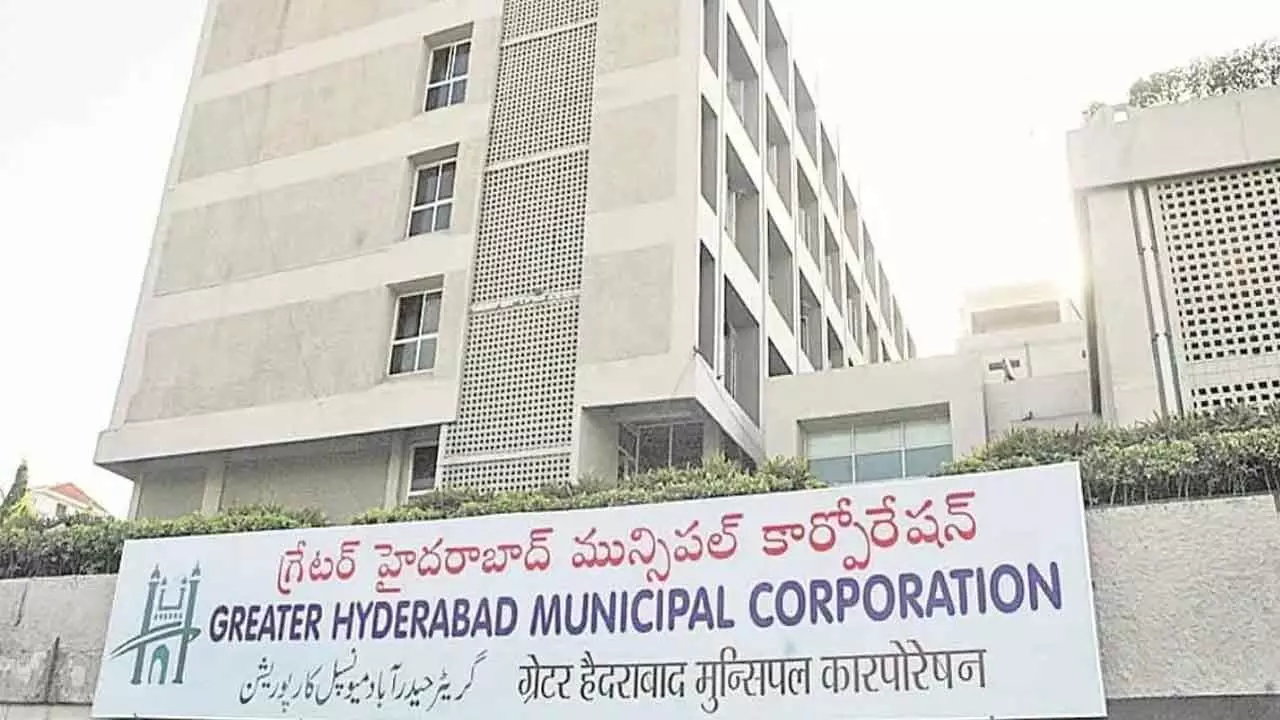
The Greater Hyderabad Municipal Corporation has launched a focused compliance drive to bring five-storey residential and mixed-use buildings into the formal property tax system, marking a significant shift in how India’s fastest-growing metros are strengthening urban revenue frameworks. The initiative spans the core city as well as recently merged peripheral areas, reflecting the scale and complexity of Hyderabad’s expanding built environment.
Municipal officials said the exercise is aimed at identifying G+5 structures that have remained outside the tax net despite being occupied and operational. While property tax assessments are ongoing throughout the year, the civic body has prioritised five-floor buildings under a time-bound review to improve coverage and accuracy. Lower-rise constructions were earlier subject to lighter scrutiny, as many were self-built homes belonging to lower- and middle-income households.Urban governance specialists say the GHMC property tax drive highlights a broader recalibration in municipal finance, where cities are attempting to align tax collection with actual infrastructure usage. Taller buildings typically place higher demand on roads, drainage, water supply, waste management, and emergency services, making accurate assessment critical for fiscal sustainability.
According to officials overseeing the operation, local field staff have been instructed to physically verify building height, occupancy status, and usage patterns. Distinguishing between residential and commercial use is central to the exercise, as it directly influences tax valuation. Assessment data is being recorded digitally, enabling daily monitoring and faster integration into municipal records.The GHMC property tax drive will be rolled out in phases, with buildings exceeding five floors expected to be covered next. This staged approach, planners say, allows enforcement teams to build reliable datasets while reducing administrative overload across the city’s 60 municipal circles.
A parallel reform involves the mandatory linking of property records with mobile phone numbers, a step intended to modernise communication between citizens and the civic body. Officials estimate that a substantial share of properties—particularly in newly integrated urban areas—still lack verified digital contact details, limiting the effectiveness of billing, grievance redressal, and service updates.Urban economists note that improved tax compliance is not merely a revenue exercise but a governance tool. A wider and more transparent tax base enables cities to plan long-term investments in climate-resilient infrastructure, including stormwater management, public transport corridors, and neighbourhood-level services that support dense living.
Residents in outlying zones are also expected to benefit from expanded access to online civic services, including property registration updates, tax revisions, and ownership transfers. By reducing dependence on physical offices, the system aims to make compliance easier while improving institutional accountability.As Hyderabad continues to grow vertically as well as outward, the success of the current assessment drive will be measured not just by additional revenue, but by whether it strengthens trust between citizens and the city administration—an essential foundation for inclusive and sustainable urban development.
Also Read: Pune Accountancy Bodies See Real Estate Reset
GHMC Expands Property Tax Net To Gplus5
