


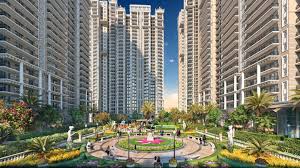
Ghaziabad is undergoing a decisive shift in its residential identity as projects priced near Rs 3 crore gain traction along the Delhi Meerut Expressway corridor. Long regarded as an affordable extension of the National Capital Region, the city is now witnessing sustained interest in premium housing formats that would have been unthinkable here a decade ago.
Developers have launched a series of large-format residential schemes offering expansive three- and four-bedroom homes, many exceeding 3,000 sq ft. These projects emphasise lower density layouts, wide balconies, clubhouse infrastructure and hospitality-style amenities. Industry executives say demand is being driven largely by end-users upgrading from mid-segment apartments, particularly families working in East Delhi and Noida who are seeking more space without relocating far from established social networks. Connectivity has been central to this transformation. The widening of the former NH-24 into a high-capacity expressway has cut travel times to central Delhi to roughly half an hour in off-peak hours. Improved regional linkages, including metro connectivity and proximity to Hindon civil terminal, have further strengthened the corridor’s appeal. Urban planners describe the expressway as a catalyst for land value discovery, converting what was once a peripheral belt into a viable premium residential zone. Market data from research firms indicate that while Ghaziabad’s weighted average prices remain below those of Gurugram and central Noida, the gap is narrowing. In several new launches, ticket sizes between Rs 2.5 crore and Rs 3 crore are being positioned as the entry threshold for premium housing, reflecting a broader upward shift in NCR’s price benchmarks. Five years ago, sub-Rs 1 crore homes dominated the region’s sales mix; today, that base has moved substantially higher.
Developers argue that relatively lower land acquisition costs along the expressway allow them to offer larger homes at price points still discounted compared to Gurugram’s prime sectors. This has enabled projects with generous open spaces and integrated community facilities. However, urban economists caution that infrastructure expansion must keep pace with density. Drainage, public transport integration and environmental safeguards will determine whether the corridor evolves into a resilient urban district or faces strain under rapid growth. For Ghaziabad, the emergence of premium housing marks more than a pricing milestone. It signals a rebalancing within the NCR, where infrastructure-led corridors are reshaping buyer perception and redistributing residential demand. The durability of this shift will depend on sustained connectivity upgrades, regulatory oversight and the delivery of social infrastructure such as schools, healthcare and green spaces.
As eastern NCR absorbs higher-value projects, the city’s challenge will be to ensure that premium growth complements, rather than displaces, its mid-income housing base preserving both economic diversity and long-term urban sustainability.
Also Read: Bandra waterfront draws luxury housing buyers
Ghaziabad premium housing crosses three crore
