


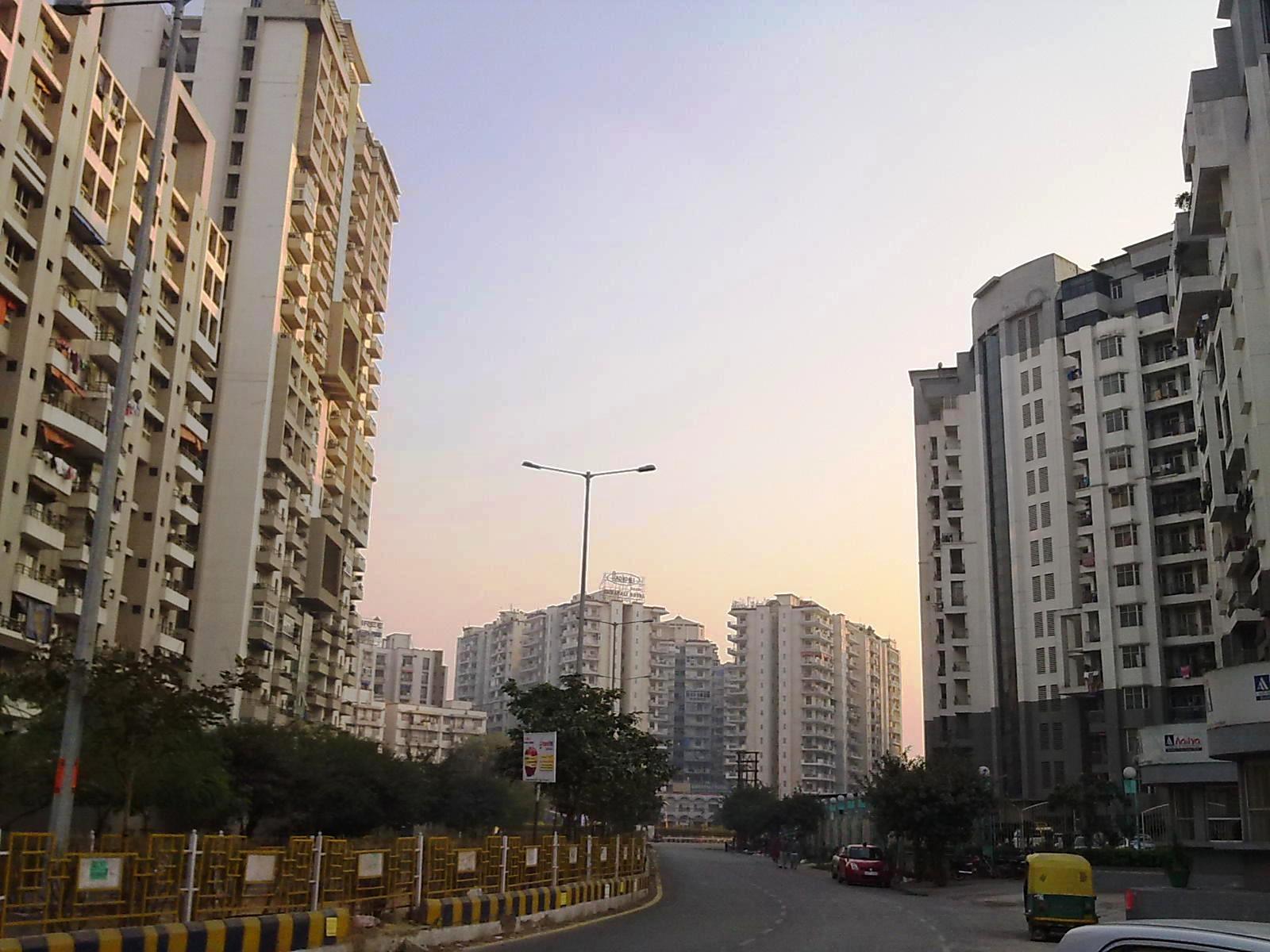
The Uttar Pradesh government has empowered development authorities, including the Ghaziabad Development Authority (GDA), to directly approve the conversion of agricultural land into residential plots under the Chief Minister’s Urban Expansion Scheme. Officials said the move aims to accelerate urban housing projects while reducing bureaucratic delays in the land conversion process.
An official communication issued on 10 December by the principal secretary of the housing and urban planning department delegated the authority for land use changes specifically to projects under the urban expansion scheme. Previously, such approvals required state government clearance, often leading to significant delays. “Development authorities can now fast-track residential conversions, enabling quicker commencement of construction and infrastructure works,” said a senior GDA official. The decision is expected to benefit GDA’s flagship Harnandipuram project near Raj Nagar Extension, which spans approximately 521 hectares. The planned development, officials said, involves acquiring agricultural land from local farmers, of which consent has already been obtained for 85 hectares. The first phase is expected to commence within five months, covering around 100-120 hectares once additional farmer approvals are secured. The provision falls under Section 13 of the Uttar Pradesh Urban Planning and Development Act, 1973, which governs amendments to master plans or zonal development regulations. By delegating authority to development boards, the government aims to streamline regulatory processes, reduce project bottlenecks, and support timely delivery of urban housing while ensuring adherence to planning standards.
Industry experts note that accelerated land conversion could have wider implications for real estate supply and pricing in Ghaziabad. “Faster approvals reduce project gestation periods, potentially improving affordability by bringing new stock to the market sooner,” said a senior urban planner. However, experts emphasise that sustainable urban development must balance speed with environmental safeguards, infrastructure capacity, and equitable access to housing. The Harnandipuram project, once operational, is expected to contribute to planned residential expansion in Ghaziabad, incorporating inclusive housing provisions and sustainable urban planning principles. Officials highlighted that ongoing consultations with farmers and stakeholders aim to ensure transparency and community participation in the development process.
By decentralising land use approval, the UP government seeks to enhance the efficiency of housing delivery while maintaining regulatory oversight. As cities like Ghaziabad expand rapidly, such measures may serve as a model for balancing urban growth with administrative agility and sustainable land management.
Also Read: Bengaluru Rent Guidelines For Tech Professionals Earning Fifty Five Thousand Monthly
