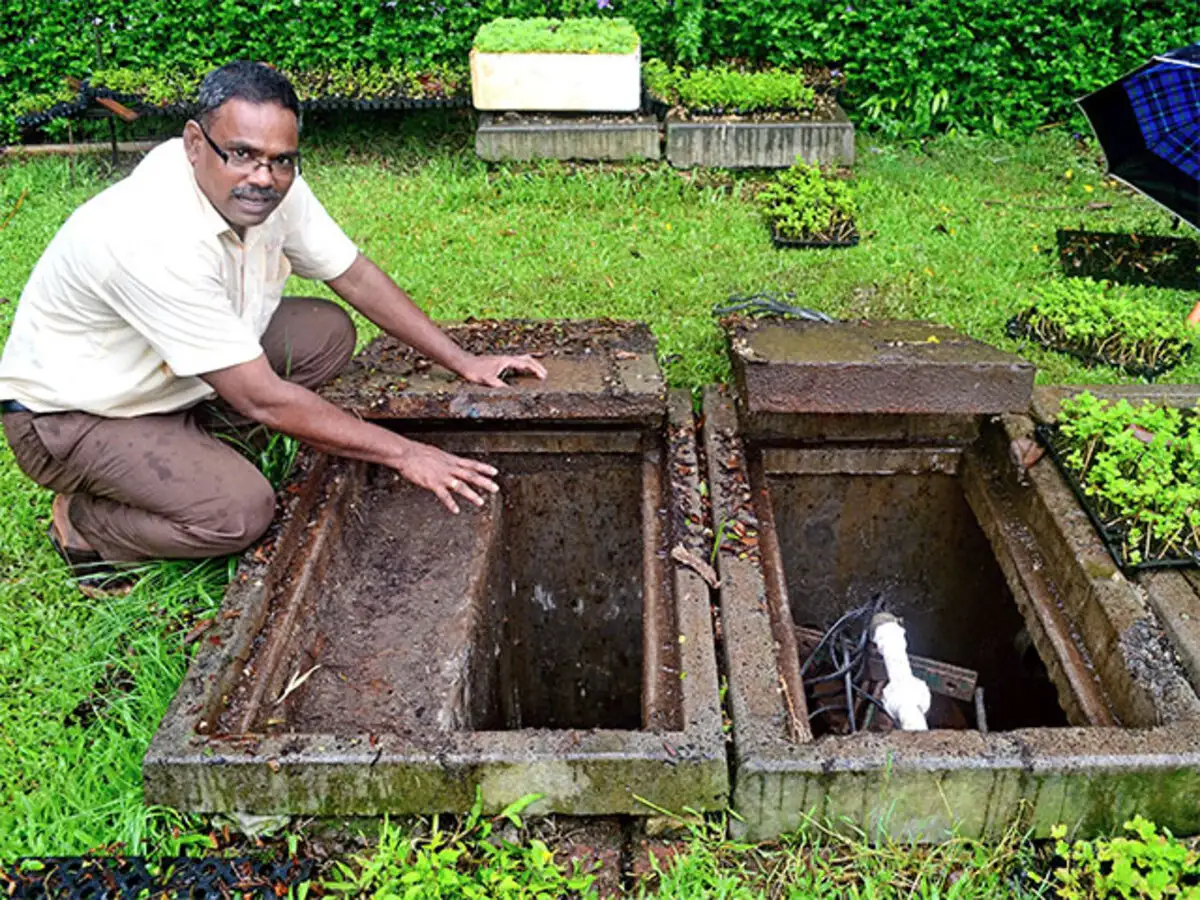
Rainwater harvesting systems spanning the elevated section of the Ghaziabad rapid rail corridor are set to recharge groundwater using filtered runoff from viaducts and station rooftops. Developed by transport officials as part of a green infrastructure initiative, these 900 recharge pits and holding ponds are projected to conserve over 70 lakh litres of water annually—an effort to address both urban flooding and depleting aquifers across the NCR region.
A major step in water-positive infrastructure, the 70-km elevated stretch from Delhi to Meerut under the Namo Bharat corridor now hosts 900 rainwater harvesting structures. These systems are strategically integrated beneath the viaduct span, where road dividers house recharge pits designed for optimal collection and percolation. Each pit ranges in size and capacity—from 6,500 litres at stations to nearly 8,700 litres under the viaduct. Officials behind the project explain that rainwater falling on the station roofs and viaducts will be diverted via interconnected pipes into filtration chambers before seeping underground. This entire layout not only curbs water wastage but significantly contributes to replenishing local water tables. The engineering design of these harvesting systems demonstrates a layered approach to climate-resilient transit infrastructure. Small dual chambers, built at the base of the pillars at regular intervals, are connected by pipes to a central recharge pit.
Water collected during rainfall flows through this arrangement, passing a three-layer filter system composed of gravel and sand to remove impurities before reaching the soil. According to officials, this design ensures that even during short or moderate rainfall, substantial volumes of clean water can enter the aquifer without external energy use or maintenance overload. In areas around Duhai depot, the rainwater management plan extends further with the construction of two large ponds measuring 1,160 and 663 square metres respectively. These water bodies, equipped with base-level recharge pits, serve dual purposes—capturing runoff during heavy rains and slowly releasing it into the earth. With a combined storage potential of over 66 lakh litres, the ponds also serve irrigation needs for depot landscaping. Transport planners view this as a model of decentralised urban water conservation, especially valuable in flood-prone or water-scarce regions of northern India.
Urban environmentalists believe Ghaziabad’s move to embed harvesting mechanisms in transport infrastructure represents a shift in ecological planning. As Indian cities face erratic monsoons, increasing impermeable surfaces, and groundwater depletion, solutions embedded within essential public systems like transit corridors become critical. The Namo Bharat rainwater reuse model offers a scalable template for other urban projects—making railways not just carriers of people, but also vehicles for climate resilience. While the initiative may seem like a technical fix, its long-term impact on regional water security could be far-reaching.