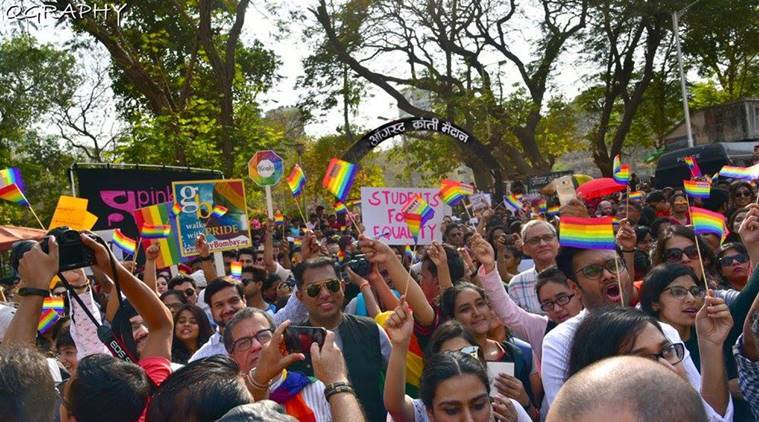
GHAR Conclave to Spotlight Queer Housing and Rights at Mumbai Queer Pride 2026
Mumbai will host a first-of-its-kind public forum examining how housing access shapes safety, dignity, and economic participation for queer citizens, as the GHAR Conclave enters the official programme of Mumbai Queer Pride 2026. Scheduled in Bandra West, the event positions housing not as a niche concern, but as a core urban issue with legal, financial, and public health consequences.
The conclave is being convened by a queer-led mutual aid collective that has spent more than two decades informally addressing housing exclusion. Its timing reflects a growing recognition among urban planners and civic groups that legal decriminalisation has not translated into equal access to cities. For many queer residents, securing a home remains contingent on concealment, informal networks, or repeated displacement.Mumbai’s rental market, already strained by affordability pressures and limited supply, presents distinct challenges for queer tenants. Industry experts note that discrimination often operates quietly through refusals by brokers, objections raised by housing societies, and moral policing within neighbourhoods. These barriers restrict mobility, limit employment choices, and expose residents to unsafe living arrangements, particularly for those without family support.
The GHAR Conclave brings together professionals from law, mental health, medicine, and financial journalism to unpack how Queer Housing Rights intersect with urban governance. Legal practitioners are expected to highlight gaps in tenancy protections, while mental health specialists will address the psychological toll of housing insecurity. Financial exclusion, including difficulty accessing formal rental agreements or credit histories, is also on the agenda.Housing insecurity disproportionately affects individuals navigating gender transition, those displaced after family conflict, and people relocating for education or work. Urban researchers point out that such instability can lead to informal subletting, overcrowding, or unsafe co-living arrangements, increasing vulnerability in already marginalised populations. From a city planning perspective, this undermines efforts toward inclusive, resilient neighbourhoods.
The organising collective traces its origins to an early digital mailing list and today operates a large peer-supported housing network across multiple Indian cities. Its model relies on safety protocols and community verification rather than commercial brokerage, reflecting how informal systems often fill gaps left by formal markets. While such platforms provide immediate relief, organisers stress that structural change must come through policy reform and social accountability.As Mumbai positions itself as a global, people-first city, conversations around Queer Housing Rights signal a broader shift in how inclusion is measured. Urban experts argue that cities cannot claim equity while segments of the population remain excluded from basic shelter due to identity-based bias.
The conclave closes with community storytelling, reinforcing that housing is not merely a commodity but the foundation of civic belonging. For policymakers and housing providers, the discussions offer a reminder that inclusive urban growth depends on addressing lived realities, not just legal milestones