


The fragile National Highway 10 (NH-10), a critical economic and social lifeline for the state of Sikkim, is facing a persistent threat from the Teesta River, a recurring issue that reached a critical point following the devastating flash flood of October 2023. The state’s lone representative in the Lok Sabha has recently submitted a compelling memorandum to the Union Minister of Road Transport and Highways, advocating for both short-term disaster mitigation and a long-term, sustainable greenfield highway project. The memorandum highlights the imperative of addressing the highway’s precarious state, particularly the stretch in West Bengal’s Kalimpong district, which is continually battered by landslides and floods, compromising the state’s connectivity and hindering its economic progress. The proposal for an alternative, elevated corridor and a new highway is a testament to the need for innovative, eco-friendly infrastructure solutions in this ecologically sensitive region.
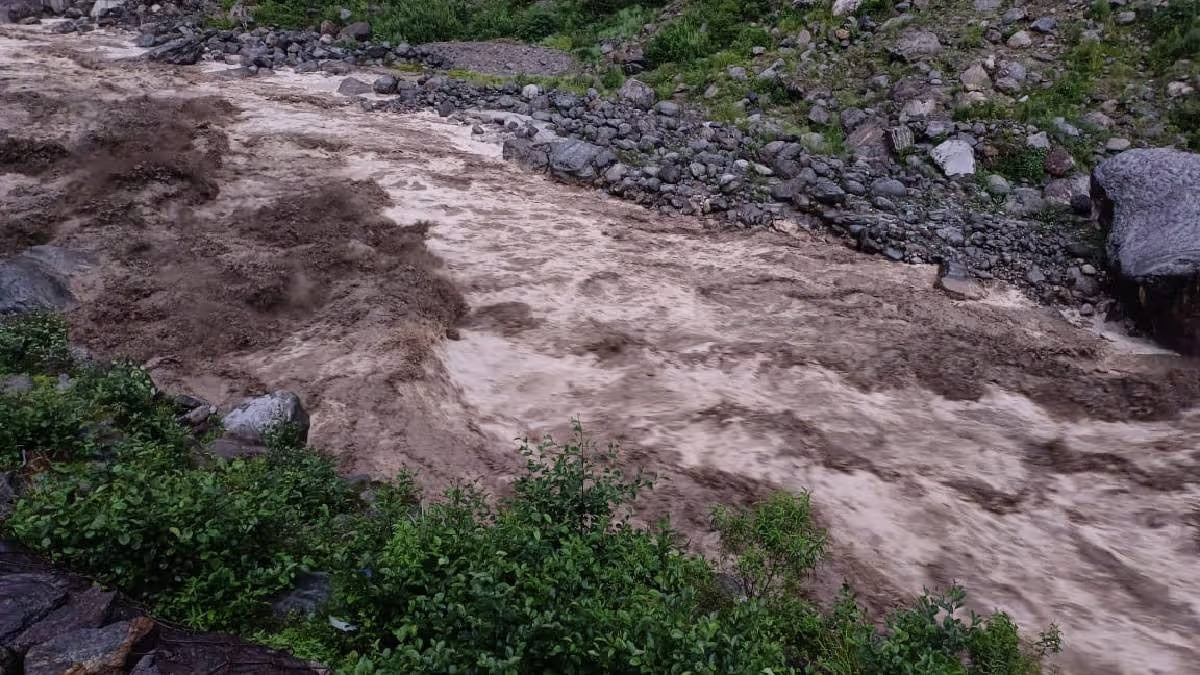
The October 2023 flash flood acted as a stark warning, altering the Teesta River’s course and raising its riverbed with substantial deposits of silt, boulders, and debris. This geomorphological change has made large sections of NH-10, especially between Sevoke and Melli, acutely susceptible to inundation during the monsoon season. This constant disruption not only threatens the movement of people and goods but also poses a severe danger to the lives and properties of local communities. The call for immediate technical assessments, along with robust measures like embankment reinforcement and enhanced drainage systems, reflects a growing urgency to protect the existing infrastructure from further decay. These measures, however, are viewed as a temporary fix for a problem rooted in the region’s changing climate and environmental vulnerabilities.
Moving beyond immediate crisis management, the proposed long-term solution signals a paradigm shift towards sustainable development. The plan for a comprehensive strategy, which includes river training—a process of engineering a river to guide its flow and regulate its bed—is a proactive approach to managing the Teesta’s behaviour. Furthermore, the construction of a new greenfield highway on the opposite bank of the river is a visionary proposal. This greenfield project would be designed from the ground up to bypass the most vulnerable zones, ensuring uninterrupted connectivity. The suggestion of temporary elevated corridors until the new highway is operational is a pragmatic step to maintain resilience during the transition. This strategic vision aligns with the broader editorial agenda of fostering zero-net-carbon, sustainable, and equitable cities, demonstrating a commitment to building infrastructure that coexists with, rather than exploits, the natural environment.
The memorandum’s emphasis on collaborating with hydrological agencies for long-term management of silt and debris in the Teesta River basin underscores a holistic, ecosystem-based approach to problem-solving. This collaboration would ensure that any intervention is based on sound scientific principles and considers the long-term health of the river system. By focusing on gender-neutral and equitable development, the project can also ensure that all sections of society, including those in remote communities, benefit from improved connectivity. The Union Minister’s positive response, instructing officials to take prompt action, provides a glimmer of hope that a sustainable and lasting solution for Sikkim’s transportation woes is on the horizon. This initiative represents more than just a road project; it is a critical investment in the region’s future, safeguarding its economy and its people from the escalating impacts of climate change.
Also Read :CM Launches Pune Growth Hub To Boost Innovation And Economy
Gangtok MP Seeks Immediate Restoration of Flood-Prone NH-10
