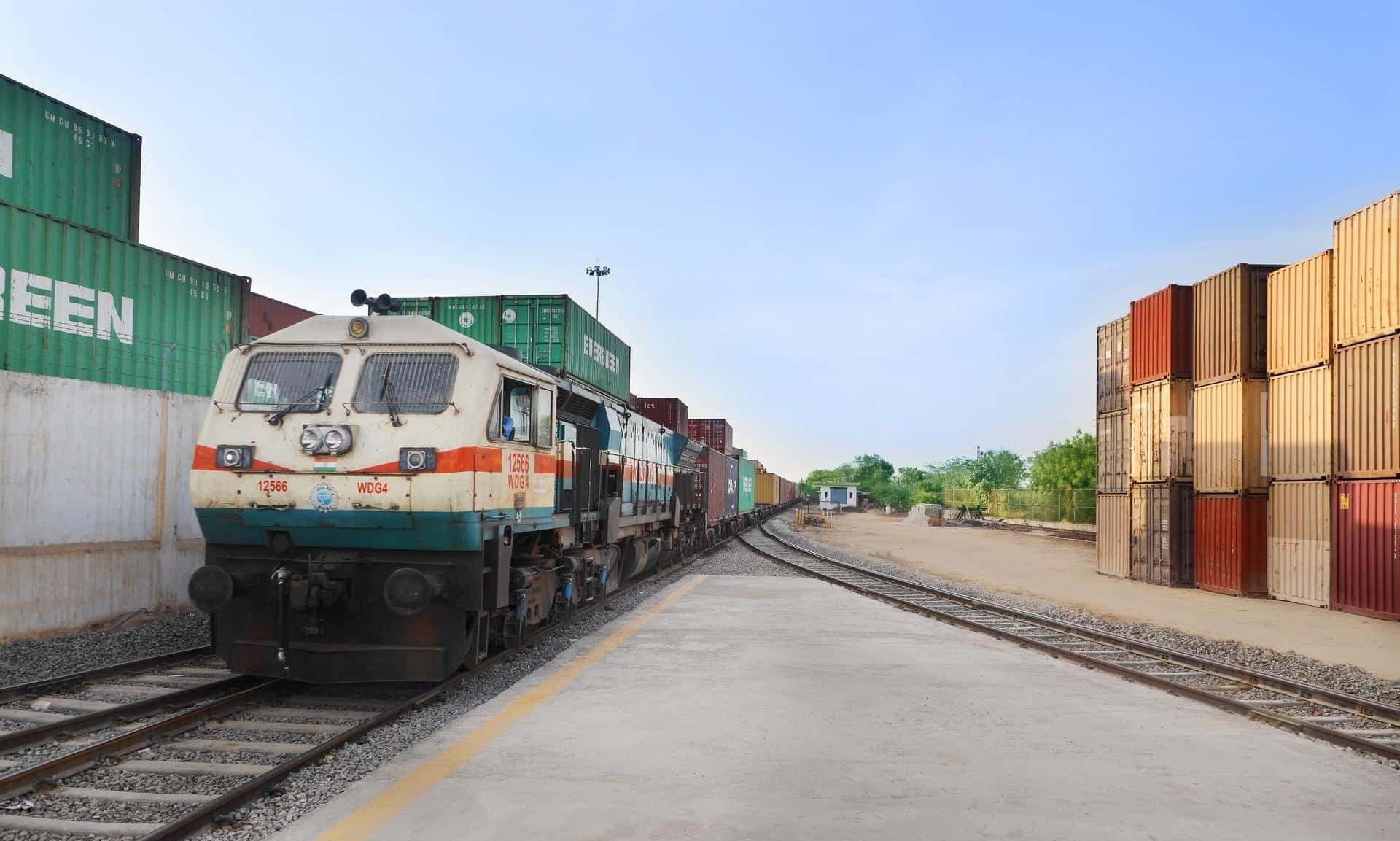
Gandhidham‑Ahmedabad Rail Service Links Gujarat to NCR, Boosts Make in India Trade
New dedicated rail freight services have been launched, forging a critical link between the industrial heartland of Gujarat and the vibrant trade hubs of Kolkata. This strategic initiative, connecting manufacturing clusters in Bhimasar and Hazira to West Bengal, marks a pivotal moment in India’s logistics transformation. By prioritising rail transport, a more eco-friendly alternative to road haulage, this move directly addresses the core objective of reducing the nation’s carbon footprint. It is a tangible step towards building zero-net-carbon, eco-friendly cities by creating a green corridor that facilitates the efficient movement of goods while significantly lowering emissions, thus aligning with India’s ambitious climate goals and the national agenda for sustainable growth.
The new services are more than just a logistical convenience; they are a strategic economic enabler. Gujarat, with its robust manufacturing base encompassing chemicals, petrochemicals, and textiles, is a powerhouse of the Indian economy. Similarly, Kolkata serves as a vital gateway to the entire eastern and northeastern regions, with a strong export-oriented economy in sectors like leather and tea. The new rail link, with its twice-monthly schedule and a capacity of 90 TEUs per trip, is set to create a seamless supply chain. This is not just about moving goods like edible oils and steel; it’s about connecting people and markets, fostering a more integrated and resilient national economy. The transit times of seven and eight days for the Hazira and Bhimasar routes, respectively, are designed to boost supply chain agility and regional integration, creating an ecosystem where businesses of all sizes, including small and medium enterprises, can thrive.
This initiative is a prime example of the “PM Gati Shakti” and “Make in India” campaigns in action. The investment in developing rail freight solutions, part of a larger financial commitment, underscores a long-term vision to build future-ready infrastructure. Rail transport, being a significantly cleaner mode of freight movement compared to road, is central to this vision. By developing a robust rail network with a fleet of container rakes and a vast number of containers, the focus is on unlocking faster, cleaner, and more reliable trade routes. This move is instrumental in reducing the carbon emissions associated with long-distance transport, thereby contributing to the creation of more breathable and healthier urban environments.
The development extends beyond just rail lines. An integrated logistics ecosystem is taking shape, comprising inland terminals, extensive warehousing space, and free trade warehousing zones. This comprehensive network ensures seamless cargo aggregation and efficient movement between ports, airports, and the hinterland, creating a more cohesive and less fragmented logistics landscape. The strategic presence of a container terminal and an upcoming mega-terminal further bolsters multimodal connectivity. This holistic approach, from enhanced port infrastructure to an integrated network of terminals, is crucial for fostering a truly sustainable and equitable economy. It ensures that the benefits of economic growth are not concentrated in a few pockets but are distributed more broadly, supporting regional development and creating employment opportunities in a green and sustainable manner. The success of such a network will be measured not just in economic terms, but in its contribution to a greener, more connected, and more inclusive India.