


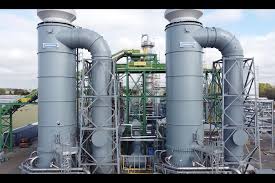
Freepoint Eco-Systems International Ltd and Source One GmbH have forged a long-term collaboration to develop multiple pretreatment facilities across Europe, marking a significant stride in advanced plastic waste recycling. This strategic partnership aims to revolutionise the treatment of diverse plastic waste streams, including post-consumer waste, to support the burgeoning pyrolysis infrastructure and accelerate the transition towards a circular economy for a cleaner, more sustainable future.
Under the terms of the agreement, Freepoint Eco-Systems plans to establish a network of these crucial pretreatment installations in key European markets. Source One, leveraging its expertise, will serve as the engineering, procurement, and construction (EPC) contractor for these facilities. The primary objective is to convert mixed plastic waste, including complex streams like mixed plastic packaging and flexible films, into high-quality feedstock suitable for both advanced chemical recycling and traditional mechanical recycling processes. This dual capability ensures maximum resource recovery and minimises waste sent to landfills.
Source One’s unique, high-standard pretreatment concept has already demonstrated its efficacy in commercial-scale operations. Its proven capability to produce feedstock that meets the stringent requirements of both pyrolysis and mechanical processing is a game-changer for the industry. The system is meticulously designed to reduce energy consumption and overall environmental impact, setting a new benchmark for quality, operational efficiency, and compliance with the evolving regulatory landscape across Europe. This innovation is vital for urban centres striving for zero net carbon footprints and enhanced resource efficiency.
This planned cooperation aligns seamlessly with Freepoint Eco-Systems’ broader ambition to become a leading supplier of feedstock for advanced recycling across the continent. Material generated from these new facilities will not only supply Freepoint Eco-Systems’ own pyrolysis plants but will also support other upcycling initiatives throughout Europe. This integrated approach addresses a critical bottleneck in the plastic value chain, which has historically hindered the scaling of advanced recycling technologies, thereby strengthening material recovery efforts.
The collaboration is fundamentally aligned with key European regulatory drivers, including the ambitious Green Deal, the comprehensive Circular Economy Action Plan, and the forthcoming Packaging and Packaging Waste Regulation (PPWR). These legislative frameworks mandate an increased use of recycled content in plastic packaging, creating a strong market pull for high-quality recycled materials. By enabling the responsible use of plastic resources and diverting waste from incineration or landfill, this partnership contributes directly to building eco-friendly, resilient, and gender-neutral cities, where sustainable waste management fosters healthier living environments and a more equitable distribution of environmental benefits.
Also Read: Tripura to host Northeasts first 800 MW PSP as NHPC advances
