


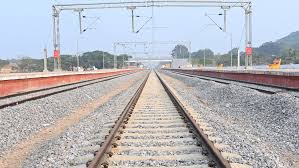
A pivotal railway infrastructure development is set to redefine operational efficiency along the critical Howrah–Chennai main line in Odisha. The Ministry of Railways has granted approval for the construction of a fourth railway line, stretching 5.06 kilometres between Ranital Link Cabin and Bhadrak station. This ₹149.32 crore investment represents a strategic move to de-congest a high-traffic density corridor, thereby improving the punctuality and reliability of both passenger and vital freight services, particularly those catering to the significant ports of Dhamra and Paradeep.
The existing Ranital Link Cabin–Bhadrak section has long contended with considerable traffic, frequently resulting in operational bottlenecks and delays that impact the seamless flow of goods and people. The introduction of this additional track is specifically engineered to augment line capacity, reducing the headway between trains and facilitating a smoother, more predictable rail network. This enhancement is not merely about increasing throughput; it’s about building a more resilient and responsive transportation backbone for the region.
Also Watch: “Mumbai will rock, shine and always be India’s best city to live.” In an exclusive, MHADA CEO Sanjeev Jaiswal (IAS) talks about Mumbai’s enduring charm, livability, and the government’s focus on making it affordable for all
A key technical objective of this project is the strategic segregation of freight and coaching traffic. By dedicating separate lines for these distinct categories of rail movement, the East Coast Railway aims to optimise overall throughput and minimise interference between the two, which has historically contributed to delays. This operational bifurcation is anticipated to substantially improve the average sectional speed of trains, making rail travel and freight movement more time-efficient. Such initiatives are crucial for a nation striving for faster logistics and reduced transit times, thereby bolstering economic competitiveness.
Furthermore, this infrastructure upgrade will significantly augment the corridor’s capacity to manage higher train volumes. This foresight is critical given the anticipated growth in industrial output, agricultural produce, and passenger movement across the region. As Odisha continues its trajectory of economic development, a robust and future-ready rail network is indispensable for supporting this expansion while simultaneously addressing environmental concerns. Shifting goods transport from roads to more energy-efficient rail pathways directly contributes to a reduced carbon footprint, aligning with India’s broader climate commitments.
This project is an integral component of the East Coast Railway’s comprehensive infrastructure upgradation programme. This larger vision aims to cultivate a high-efficiency rail network in Odisha, benchmarked against global standards of reliability and performance. By investing in modern rail infrastructure, the Ministry of Railways is not only addressing immediate operational challenges but also laying the groundwork for a more sustainable, equitable, and zero-net-carbon transportation future. The long-term benefits extend beyond economic gains, contributing to a cleaner environment and enhanced quality of life for the populace through improved connectivity and reduced emissions. This strategic development exemplifies a commitment to building smarter, greener urban and regional infrastructure.
Also Read: Air India Flight AI 2744 Skids Off Mumbai Runway Amid Rain Today
