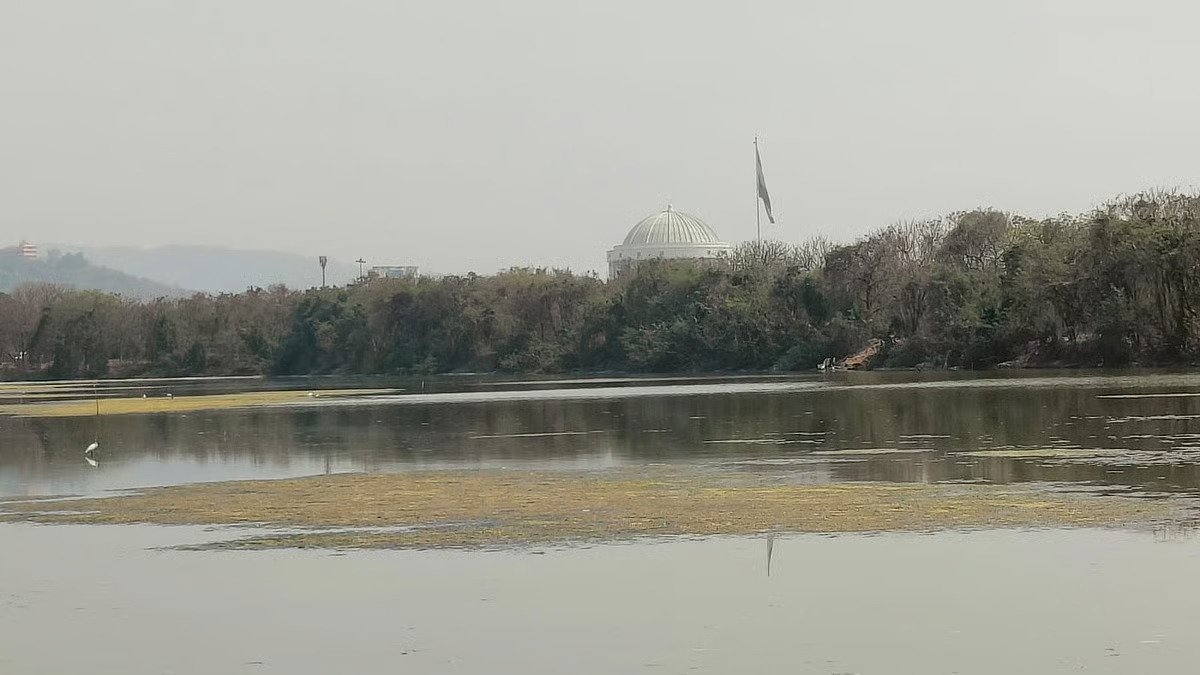
A noticeable shift in flamingo activity across Navi Mumbai’s wetlands is raising fresh concerns about the ecological health of one of the region’s most sensitive coastal systems. Environmental observers report that while migratory birds continue to arrive, many are no longer settling in key feeding zones—an early warning sign of deteriorating habitat conditions with wider implications for urban resilience.
The phenomenon has been particularly evident in satellite wetlands around Nerul, historically known to host large flocks during the migratory season. Experts tracking Navi Mumbai wetlands say birds are increasingly bypassing these areas despite circling overhead, suggesting that the issue lies not with migration patterns but with declining water and soil quality. Preliminary environmental assessments point to severe degradation in water parameters. Elevated levels of dissolved solids, high alkalinity, and increased organic pollution indicators have been recorded in several wetland pockets. Scientists explain that such conditions disrupt the delicate food chain that sustains flamingos, particularly micro-organisms and algae they depend on for feeding.
At the core of the problem is a breakdown in natural tidal exchange systems. These wetlands function as intertidal ecosystems, relying on the regular inflow and outflow of seawater to maintain ecological balance. However, urban infrastructure—particularly poorly designed drainage channels—has altered this cycle. While tidal inflows continue, the outflow is often restricted, leading to stagnant water bodies prone to algal blooms and oxygen depletion. Urban planners note that this disruption reflects a broader challenge facing rapidly urbanising coastal cities. As built infrastructure encroaches on natural drainage pathways, ecological buffers like wetlands lose their ability to self-regulate. The resulting degradation not only affects biodiversity but also weakens the city’s defence against flooding and extreme weather events.
Civic authorities have initiated clean-up measures in some affected areas, focusing on removing accumulated sludge and surface pollutants. While these efforts may offer temporary relief, environmental experts caution that they do not address the structural causes of degradation. Restoring tidal connectivity, enforcing land-use regulations, and protecting buffer zones are seen as critical to long-term recovery of Navi Mumbai wetlands. The issue also highlights gaps in regulatory enforcement. Despite established guidelines for wetland conservation, activists argue that monitoring and compliance mechanisms remain inconsistent, allowing gradual degradation to go unchecked. Strengthening institutional oversight, they say, will be essential to safeguarding these ecosystems amid ongoing urban expansion.
Beyond environmental concerns, the stakes are economic and social. Healthy wetlands contribute to flood mitigation, groundwater recharge, and urban cooling—services that are increasingly valuable as cities face climate pressures. Their decline could amplify infrastructure risks and increase the cost of climate adaptation in the future. The changing behaviour of flamingos, often seen as indicators of ecological balance, underscores the urgency of intervention. As Navi Mumbai continues to grow, the challenge will be to integrate development with ecosystem preservation, ensuring that natural assets remain functional and resilient in the face of rapid urbanisation.
Flamingo Absence Signals Stress In Navi Mumbai Wetlands