


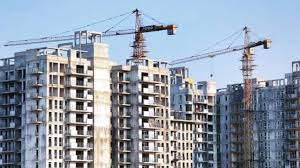
The Uttar Pradesh Housing and Development Board’s first-come, first-served housing scheme has emerged as a notable example of how policy design, digital transparency, and financial incentives can be used to unlock stalled residential inventory. Since its launch in late October last year, the scheme has generated around INR 1,000 crore in revenue, signalling renewed buyer confidence in public housing offerings.
The initiative was introduced to address a long-standing challenge faced by many state housing boards: a buildup of unsold flats across multiple projects. Instead of relying on traditional lottery-based allotments, the board adopted a first-come, first-served model supported by a centralised online platform. The portal allows buyers to view detailed information about available units, including photographs and precise location data, significantly reducing uncertainty around the properties on offer. This shift toward digital disclosure has played a critical role in improving buyer engagement. Public housing schemes have historically struggled with perceptions of opacity and administrative delays. By placing inventory details online and allowing buyers to make selections in real time, the housing board simplified the decision-making process and lowered entry barriers for first-time homebuyers. Financial incentives further strengthened the scheme’s appeal. Buyers were offered a 15 per cent discount for completing full payment within 60 days of booking and a 10 per cent rebate for payments made within 90 days. These time-linked incentives encouraged faster conversions, helping the board improve cash flows while reducing carrying costs associated with unsold stock. Officials estimate that more than 2,140 units have already been booked under the scheme, with additional sales expected before it closes at the end of March.
The scheme’s performance reflects broader trends in Uttar Pradesh’s urban housing market. Rising urbanisation, improving infrastructure, and a growing base of salaried professionals have increased demand for affordable and mid-income housing. At the same time, buyers are becoming more price-sensitive and process-aware, favouring schemes that offer clarity on costs, timelines, and property details. Market observers note that the first-come, first-served approach represents a structural shift in how public housing agencies engage with consumers. Rather than creating artificial scarcity through limited allotments, the model aligns sales with actual demand while maintaining transparency. This approach not only accelerates inventory liquidation but also reduces administrative overhead and grievance-related delays. From a policy perspective, the scheme demonstrates how targeted incentives and digital tools can be used to resolve systemic real estate challenges. Clearing unsold inventory improves balance sheets, frees up capital for new development, and helps stabilise local housing markets. For buyers, the combination of discounts and information access improves affordability and trust.
As the scheme remains open for a few more weeks, officials expect further bookings to push revenue higher. Its success has already sparked discussion around replicating similar models in other states. In an environment where housing supply often outpaces demand, the Uttar Pradesh Housing Board’s experience suggests that transparency-led, market-aligned strategies can play a decisive role in restoring momentum to public housing programmes.
Also Read: Hyderabad property expo reflects organised market shift
First come scheme helps UP monetise unsold housing stock
