Kochi Funds Sanctioned for Hi Tech Industrial Corridor Land Acquisition
The National Highways Authority of India (NHAI) has initiated a substantial tree plantation drive along the Faridabad-Noida International Airport Corridor, marking a significant step towards environmental sustainability and commemorating the ‘Ek Ped Maa Ke Naam 2.0’ campaign. Approximately 17,000 trees are slated for planting, transforming the new artery into a pioneering example of green infrastructure development. This initiative underscores a proactive approach to mitigate the environmental impact of development, promoting cleaner air and enhanced biodiversity crucial for the creation of eco-friendly, sustainable, and resilient urban centres across the Delhi-National Capital Region.
The plantation drive, organised at the Yamuna Expressway Interchange in Gautam Budh Nagar District, Uttar Pradesh, saw the participation of senior government officials, alongside representatives from NHAI and local administration. This collaborative effort highlights the cross-sectoral commitment to environmental stewardship. Further demonstrating community engagement, school students actively participated in planting trees, helping to propagate the vital message of environmental sustainability among the younger generation, thereby fostering a collective responsibility towards ecological preservation.
A key message from the event focused on the broader strategy for reducing vehicular pollution. It was articulated that a significant portion of atmospheric pollution originates from fossil fuels consumed by vehicles traversing roads and National Highways. The strategic response involves a dual approach: vigorously promoting alternative fuels, such as ethanol, and implementing large-scale tree plantation drives. This dual emphasis reflects a comprehensive policy framework aimed at both reducing emissions at the source and enhancing natural carbon sinks, contributing directly to India’s climate action goals.
Beyond plantation, NHAI’s commitment to environmental sustainability extends to innovative practices in road construction. An impressive 80 lakh tonnes of waste material have been effectively utilised in road construction projects, showcasing a circular economy approach to infrastructure development. Furthermore, the prioritisation of water conservation through measures like rainwater harvesting along highways signifies a holistic integration of ecological considerations into infrastructure planning. These initiatives collectively underscore a robust strategy for sustainable development, moving towards a zero net carbon footprint in infrastructure.
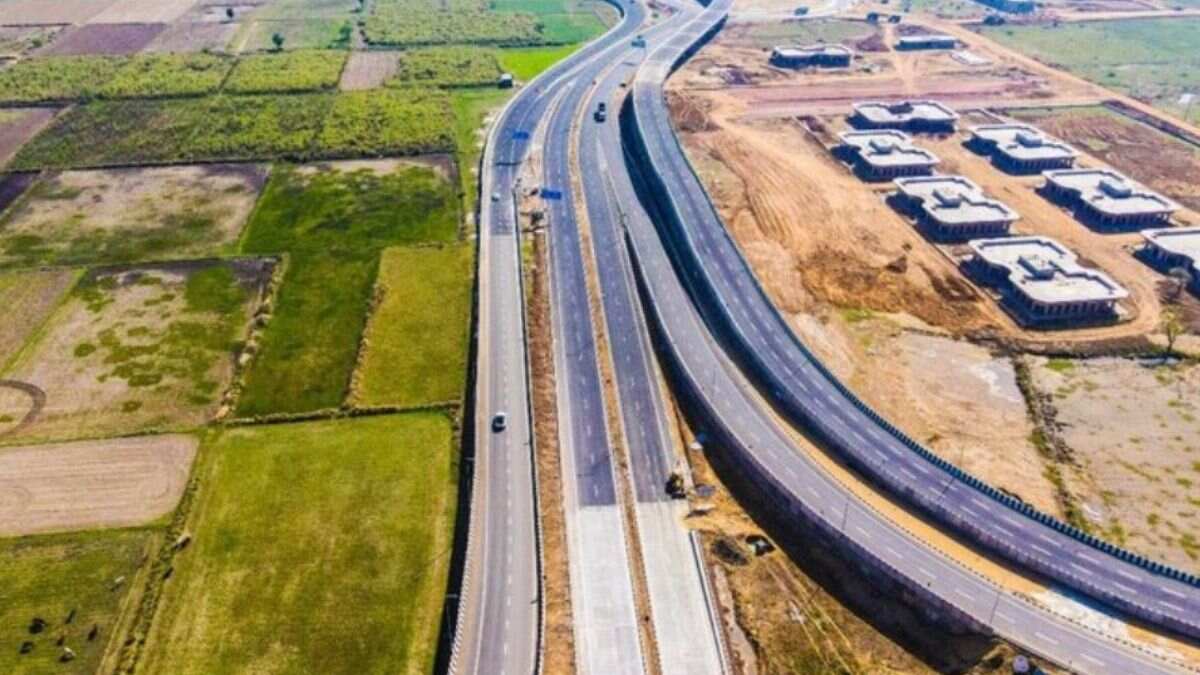
The Faridabad-Noida International Airport Corridor is poised to significantly enhance connectivity between the bustling Delhi-NCR and the upcoming Noida International Airport at Jewar. Beyond its primary function as a transportation artery, the extensive planting of approximately 17,000 trees along this corridor is anticipated to yield substantial ecological benefits for the region. These include tangible improvements in air quality through carbon sequestration and particulate matter absorption, reduced soil erosion along the embankment slopes, and an overall enhancement of local biodiversity by creating new habitats for flora and fauna.
This dual focus on both critical infrastructure development and robust environmental sustainability positions the Faridabad-Noida International Airport Corridor as a leading exemplar of green infrastructure within the country. It is designed to establish a new benchmark for environmentally conscious development across India, illustrating that economic progress and ecological preservation can be pursued synergistically. Such projects are vital for shaping cities that are not only economically vibrant but also ecologically balanced and resilient to climate change.
NHAI’s broader vision encompasses the systematic creation of ‘Green Corridors’ across the National Highway network. This involves diverse plantation strategies, including bamboo plantation, dense planting techniques, and vertical landscaping. The overarching aim is to achieve a comprehensive saturation of plantations along National Highways, fostering a green and sustainable network through the collective involvement of various stakeholders, including local communities and private entities. This multi-pronged strategy contributes to establishing a greener transport infrastructure nationwide.
Demonstrating proactive engagement, NHAI surpassed its plantation target for 2024-25, planting approximately 67 lakh trees against a target of 60 lakh. Furthermore, under the ongoing ‘Ek Ped Maa Ke Naam 2.0’ initiative, over 12 lakh trees have been planted along National Highways across the country during the current year. Since the implementation of the Green Highways (Plantation, Transplantation, Beautification and Maintenance) Policy in 2015, NHAI has planted around 4.78 crore trees and successfully transplanted approximately 70,000 trees. This sustained commitment reinforces the role of infrastructure development in building truly sustainable, gender-neutral, and equitable cities for future generations, where accessible green spaces and clean air are integral to urban living.