


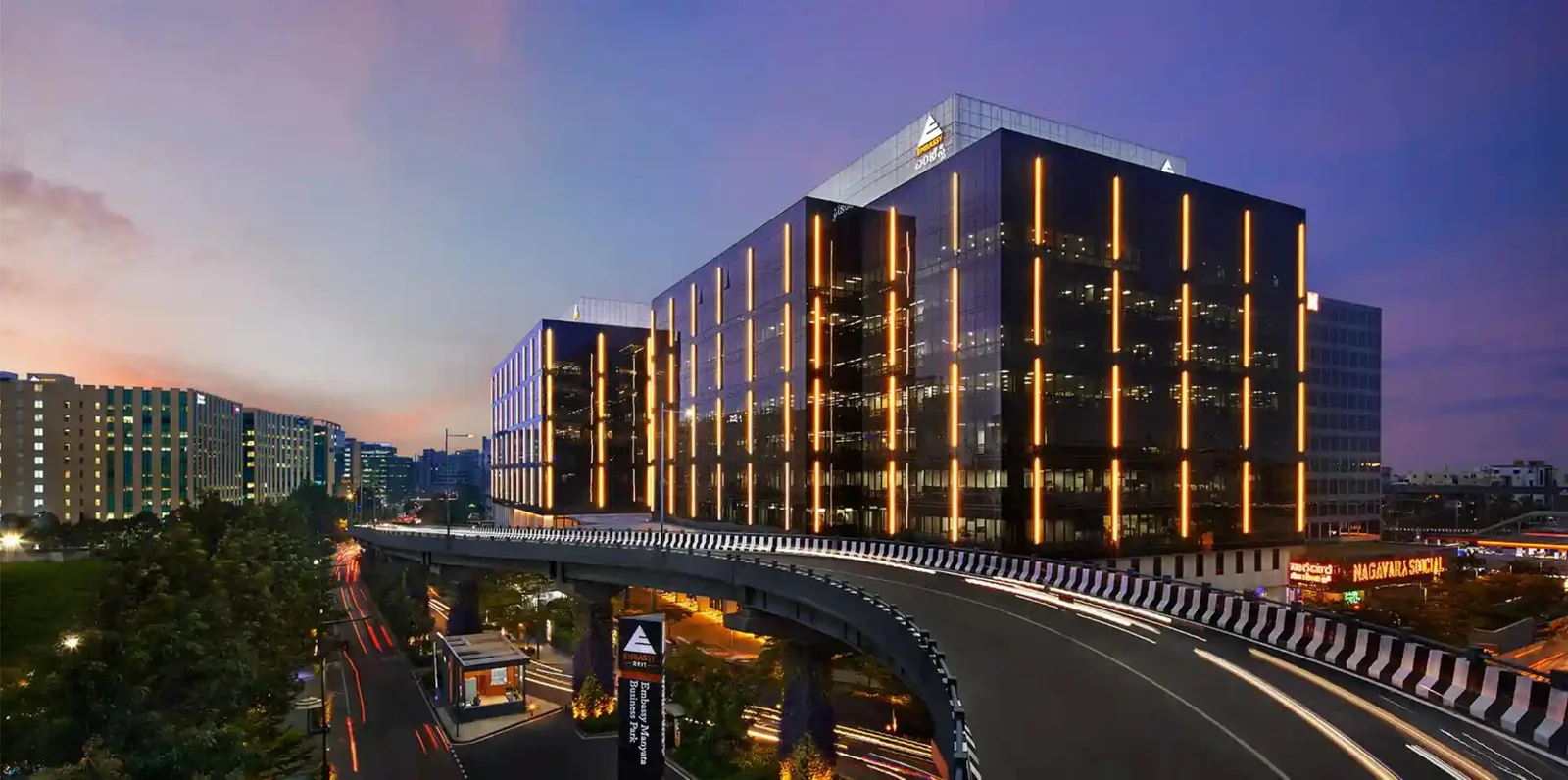
Mumbai’s premium housing market is set for another phase of capital-intensive expansion, with Embassy Developments outlining a multi-year investment plan of nearly Rs 7,000 crore across the Mumbai Metropolitan Region (MMR). The move signals sustained confidence in high-end residential demand even as the city grapples with affordability pressures, infrastructure strain, and the need for climate-resilient urban growth.
The planned investment spans new residential launches as well as the completion of ongoing projects, reflecting a dual focus on expansion and execution. Projects are expected across established coastal neighbourhoods and emerging leisure-oriented destinations within the wider MMR, indicating a strategy that blends core urban density with peripheral lifestyle housing. Industry analysts note that such diversification helps developers balance risk while catering to varied buyer profiles, from end-users to long-term investors. For Mumbai, where land scarcity and regulatory complexity have historically slowed supply, the scale of proposed capital deployment underscores the city’s continued pull for organised, well-capitalised developers. Urban planners point out that large residential investments have ripple effects beyond housing alone, influencing local infrastructure demand, mobility patterns, and municipal services. The challenge, they add, lies in aligning private development cycles with public infrastructure delivery, particularly in water management, coastal resilience, and transport connectivity.
Embassy Developments, now part of a Bengaluru-headquartered real estate group with a national portfolio, has repositioned itself in recent years with a sharper emphasis on residential and mixed-use assets. Market observers say the company’s renewed focus on Mumbai luxury housing reflects a broader trend: premium segments have shown relatively stronger absorption post-pandemic, driven by consolidation among buyers and a preference for larger, better-serviced homes. Financial projections linked to the new developments suggest significant revenue potential over the medium term, reinforcing expectations that Mumbai’s upper housing tiers will remain resilient despite macroeconomic uncertainties. However, urban economists caution that sustained growth in luxury supply must be accompanied by parallel investment in affordable housing, rental stock, and social infrastructure to ensure inclusive urban outcomes. From a sustainability lens, large-scale residential construction in coastal and high-density zones places renewed emphasis on responsible design, energy efficiency, and climate adaptation. Experts argue that future-ready housing in Mumbai must factor in flood mitigation, heat resilience, and reduced operational carbon footprints, especially as extreme weather events become more frequent.
As Mumbai continues to evolve as India’s most complex real estate market, investments of this magnitude highlight both opportunity and responsibility. The coming years will test how effectively new housing supply can integrate with the city’s long-term goals of liveability, resilience, and equitable growth beyond balance sheets and sales numbers alone.
Also Read: Ahmedabad Metro Expansion Alters Commute Patterns
Embassy Developments Expands Mumbai Residential Footprint
