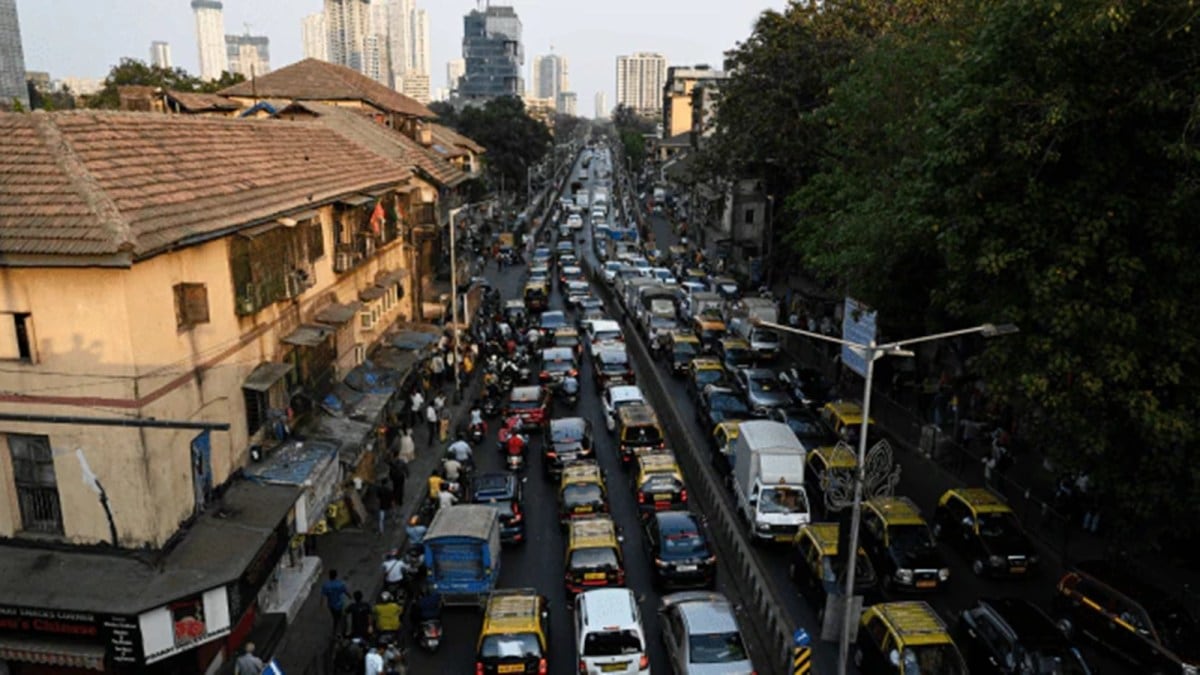
The redevelopment surrounding Mumbai’s Elphinstone Bridge has entered a new phase of contestation, with several displaced families raising concerns over rehabilitation allotments issued by the Mumbai Metropolitan Region Development Authority. While the bridge demolition was positioned as a critical safety and mobility upgrade, affected households say the resettlement process has created new social and economic vulnerabilities rather than restoring stability.
According to residents from one of the impacted buildings, allotment letters for replacement homes were issued in late January following prolonged negotiations. However, a majority of the families have declined to take possession, citing discrepancies between assurances given prior to demolition and the actual rehabilitation outcomes. The issues range from housing locations far beyond the promised radius to administrative errors and loss of livelihood for small business owners. Urban planners note that rehabilitation policies linked to large infrastructure projects are meant to minimise disruption by maintaining access to workplaces, schools and social networks. In this case, several families report being allotted homes spread across different neighbourhoods, undermining household cohesion and increasing daily travel costs. Some families with adjoining units earlier have been assigned flats kilometres apart, complicating caregiving and household management.
A major flashpoint has been the treatment of commercial occupants. Residents operating long-standing street-facing shops say they have been offered only residential units, effectively erasing their income base. These small enterprises—often family-run for decades—relied heavily on local footfall that declined sharply after the bridge closure. With demolition imminent, shopkeepers argue that rehabilitation without commercial compensation amounts to forced livelihood loss. Housing economists point out that such cases expose structural gaps in urban resettlement frameworks, which tend to prioritise physical housing delivery over economic continuity. Residential units provided under public housing schemes often carry resale restrictions and lower market valuations, making them poor substitutes for revenue-generating properties in dense urban corridors.
There are also concerns over distance. Residents say rehabilitation was assured within a short radius of the original site to limit social displacement. Instead, several allotments are reportedly located well beyond that range, increasing commute times and transport expenses, particularly for students, elderly residents and informal workers. Officials familiar with the process maintain that rehabilitation stock is limited and allocations are being made based on availability rather than preference. However, urban policy experts argue that such constraints should be anticipated during project planning, especially for high-impact infrastructure works in established neighbourhoods.
The affected families have formally sought revisions to the allotments, requesting options that align with earlier commitments on proximity and livelihood protection. With none having taken possession so far, the episode underscores a recurring challenge in Mumbai’s redevelopment story: balancing infrastructure acceleration with people-first rehabilitation. As the city pushes ahead with transport upgrades critical for long-term mobility and climate resilience, the outcome of this dispute may shape how future projects integrate social equity into execution timelines.
Elphinstone Redevelopment Triggers Housing Allotment Dispute