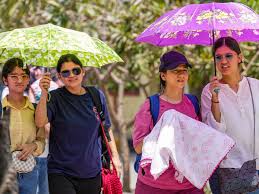
Early Summer Hits Delhi As Temperature Touches 35.7°C
Delhi has recorded an unusually early surge in temperatures, with the mercury touching 35.7°C during the first week of March, the highest temperature recorded for this period in the last 50 years, according to data from the India Meteorological Department (IMD).
The temperature reading, recorded at the Safdarjung weather station—Delhi’s primary meteorological observatory—surpassed the previous record of 34.8°C set on March 5, 1999. The latest figure is also more than 7°C above the seasonal average, indicating a significant deviation from typical early-March weather patterns in the national capital. Meteorologists say the sudden rise in temperature is largely due to clear skies, intense solar radiation and the absence of active western disturbances, which normally help moderate temperatures across north India during this time of the year. Without these weather systems, daytime heating has intensified across the northern plains.
The impact of the early heat is not limited to Delhi. Several neighbouring states, including Haryana and Uttar Pradesh, are also witnessing temperatures significantly above normal. In parts of Haryana, the mercury has already reached around 35°C, about 7°C above the seasonal norm, making it the warmest period of the season so far. The IMD has issued advisories for multiple states, warning that temperatures across north and central India could remain 4–6°C above normal in the coming days. Authorities have urged residents to take precautions against heat exposure, including staying hydrated and avoiding prolonged outdoor activity during peak afternoon hours.
Weather experts believe the unusually warm start to March may signal an early onset of summer conditions across large parts of the country. Forecast models suggest that temperatures in Delhi could rise further and may approach 37°C in the coming days if the current weather pattern continues. The early heat spike has also raised concerns among climate scientists, who note that rising temperature extremes are becoming more frequent in Indian cities due to a combination of urban heat-island effects and broader climate change trends.
Urban planners and health authorities say prolonged early-season heat can place additional pressure on energy demand, water resources and public health systems. As north India moves deeper into the summer months, officials are closely monitoring weather patterns to assess whether heatwave conditions could develop earlier than usual this year.