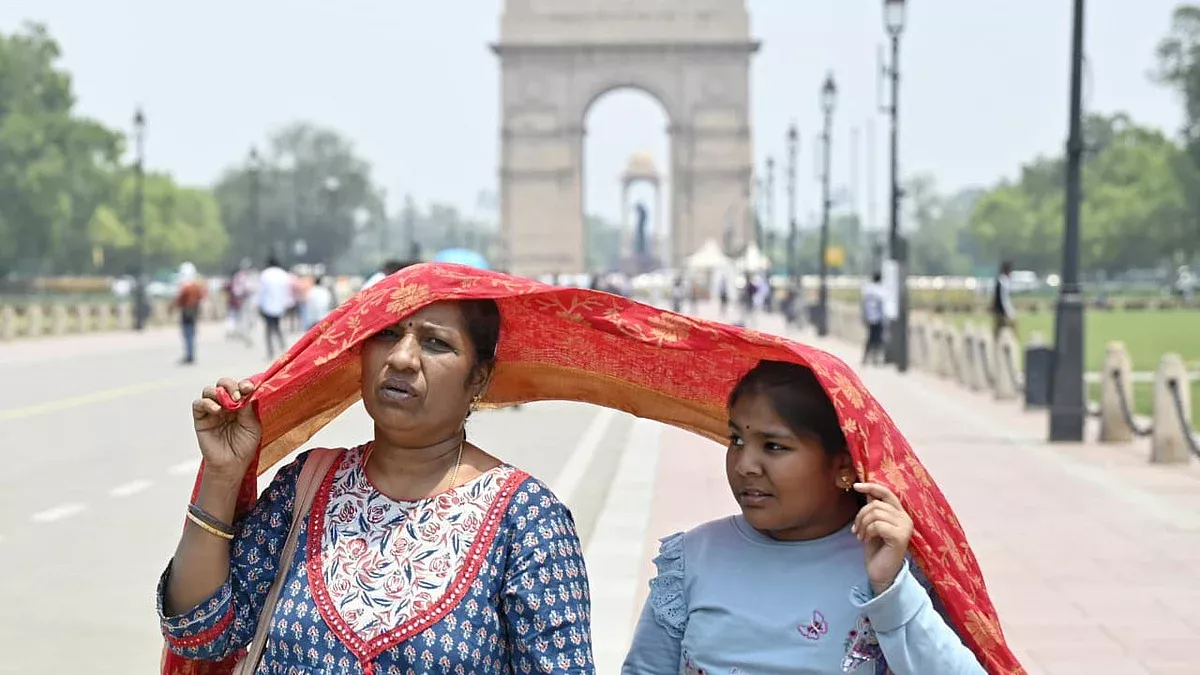
A sharp rise in temperatures has brought early summer-like conditions to Delhi-NCR, with daytime highs climbing well above seasonal averages and prompting concerns over heat stress and deteriorating air quality.
According to a report by News18, several parts of the National Capital Region are already witnessing maximum temperatures touching 34°C, particularly in Ghaziabad and Noida, marking an unusually warm end to February. Meteorological data indicates that the sudden spike is the result of clear skies, dry northwesterly winds, and the absence of western disturbances that typically bring cloud cover or light rainfall during this period. The India Meteorological Department has noted that maximum temperatures across NCR are running several degrees above normal, signalling an early transition toward pre-summer conditions.
While daytime temperatures have surged past 30°C across the region, nights remain relatively mild. However, the widening gap between daytime and nighttime temperatures is contributing to discomfort, especially for daily commuters and outdoor workers. Urban heat retention — amplified by concrete infrastructure and vehicular emissions — is further intensifying the warming trend within city pockets. Compounding the heat is fluctuating air quality. AQI levels in parts of the capital have ranged from moderate to poor, with pollution lingering due to stagnant atmospheric conditions. Experts warn that rising temperatures combined with poor air dispersion can trap particulate matter closer to ground level, increasing respiratory risks. Vulnerable groups — including children, elderly residents, and individuals with asthma — are advised to limit prolonged outdoor exposure during peak afternoon hours.
The warming pattern is also raising broader climate questions. February traditionally marks the tail end of winter in North India, with moderate conditions prevailing before gradual warming in March. However, repeated instances of early heat spikes over recent years suggest shifting seasonal behaviour. Climate analysts argue that such patterns may become more frequent due to long-term warming trends and reduced winter precipitation. Looking ahead, forecasts indicate that temperatures are likely to remain elevated over the coming days, with no immediate signs of significant rainfall. Authorities recommend staying hydrated, avoiding direct sun exposure between noon and 3 pm, and monitoring official weather advisories. For schools and workplaces, the unexpected heat may prompt adjustments in outdoor schedules if the trend intensifies.
As NCR residents navigate this early warm spell, the intersection of heat and pollution underscores the growing challenge of urban climate resilience — a concern that will likely shape policy discussions as summer approaches.