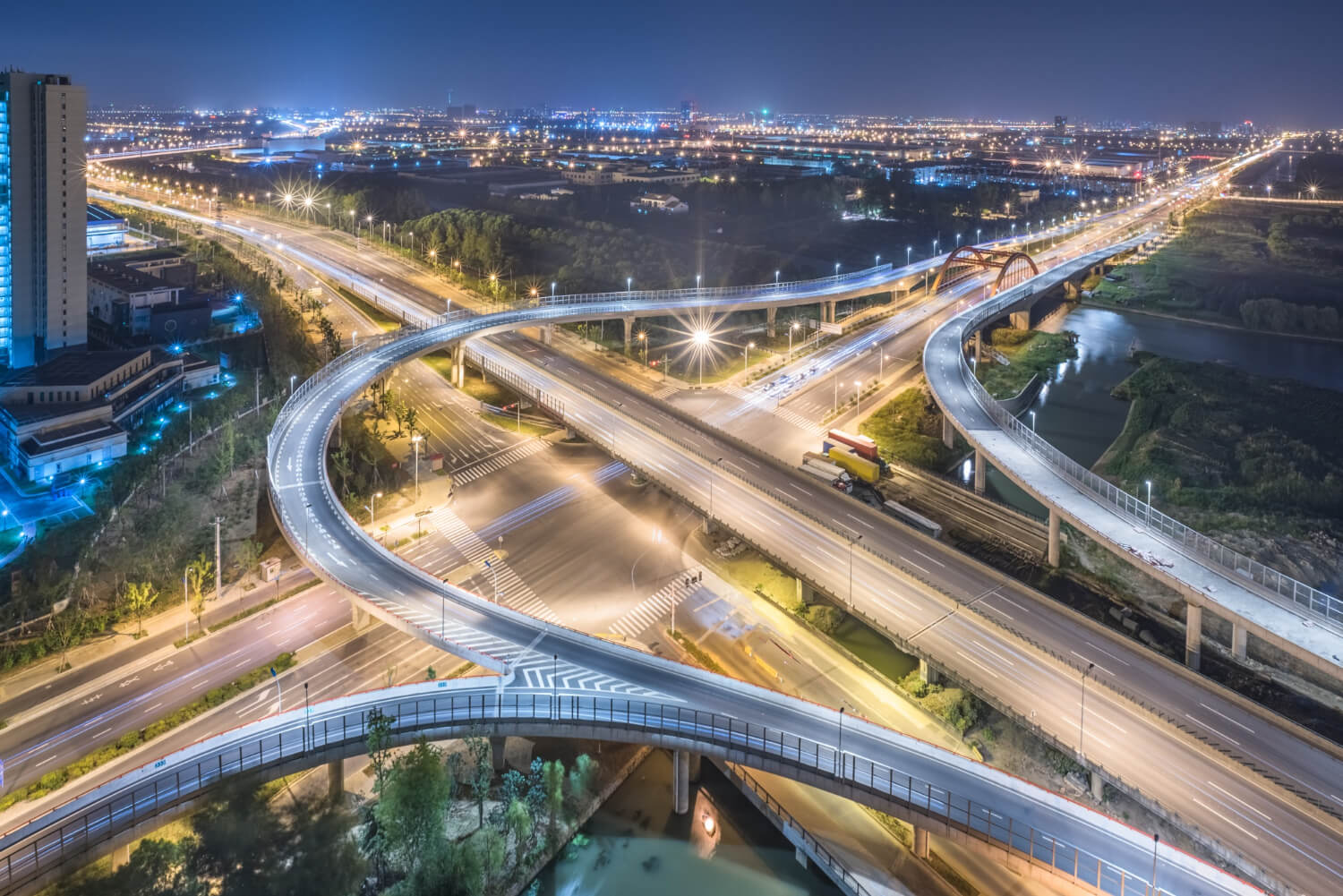
Residential momentum across the National Capital Region is becoming increasingly location-specific, with Delhi NCR housing growth now concentrated along infrastructure-backed corridors such as Dwarka Expressway and select Gurugram sectors. Market data and advisory assessments indicate that buyer activity is no longer uniform across the region, signalling a shift from broad-based expansion to micro-market driven performance.
The operationalisation of the Dwarka Expressway has emerged as a decisive factor in this recalibration. The corridor, which strengthens connectivity between west Delhi and Gurugram, has improved access to Indira Gandhi International Airport, Aerocity and established commercial districts. Urban planners say this has altered the functional geography of NCR, making certain peripheral zones more viable for end-users rather than purely speculative investors.
Gurugram continues to account for a significant share of new residential launches within the region. Industry executives attribute this to visible on-ground infrastructure, established corporate hubs and mature social amenities. Corridors such as Golf Course Road and the Southern Peripheral Road remain focal points, but traction is now increasingly visible in sectors aligned with the expressway.
Analysts note that Delhi NCR housing growth is being supported less by aggressive investor sentiment and more by genuine occupancy demand. End-users are prioritising commute efficiency, school access, healthcare proximity and neighbourhood liveability. This shift has contributed to more measured pricing trends, with appreciation expected to be moderate and tied closely to infrastructure readiness rather than headline announcements.
Infrastructure-led growth also has broader urban implications. Concentrating development around operational corridors can reduce vehicular congestion and improve energy efficiency when paired with integrated planning. However, experts caution that density must be matched with adequate civic services, green spaces and last-mile connectivity to avoid repeating past planning gaps. Developers with stronger execution track records appear to be gaining buyer preference. Market observers report that purchasers are scrutinising delivery timelines, construction quality and financial discipline before committing.
This evolving due diligence culture is gradually filtering out weaker projects, contributing to pricing stability in stronger micro-markets. Economists suggest that such calibrated expansion is healthier for the region’s long-term resilience. Instead of speculative spikes followed by corrections, infrastructure-backed clusters may deliver steadier absorption and more predictable capital values. For policymakers, the trend underscores the need to synchronise transport investments with housing supply, ensuring balanced urban growth.
As NCR enters its next growth cycle, the emphasis appears to be shifting from regional hype to granular fundamentals. Corridors with completed connectivity and established social infrastructure are likely to sustain traction, while under-serviced pockets may witness slower absorption. The evolution of Delhi NCR housing growth reflects a maturing market one where informed selection, infrastructure alignment and disciplined development are shaping outcomes more decisively than broad regional momentum.
Dwarka Expressway fuels Delhi NCR housing growth