


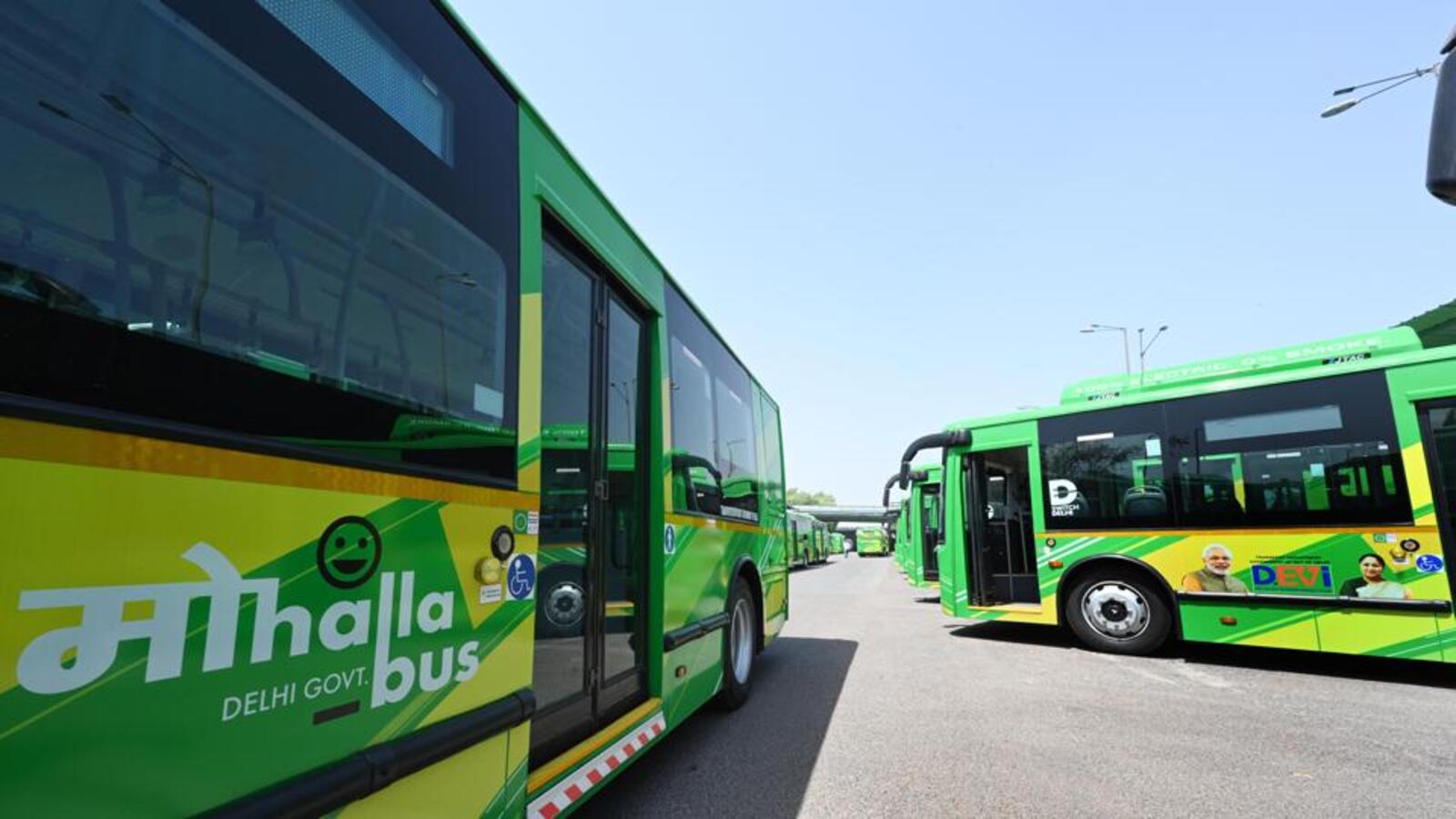
The Delhi Transport Corporation (DTC) has initiated a strategic move to enhance its non-fare revenue streams by auctioning advertisement rights across 16 of the Capital’s busiest bus terminals.
This initiative seeks to leverage high footfall and prominent roadside visibility by installing wall wraps and digital advertising screens, signalling a robust effort to transform DTC’s financial outlook and operational sustainability. s outlined in the tender floated by the transport body, advertising contracts will be awarded for an initial period of five years, with the possibility of annual extensions for up to an additional five years. Bidders may compete for rights to install wall wraps, digital screens, or both, with contracts going to the highest bidders at each location. These measures are part of a broader strategy aimed at diversifying revenue sources and reducing dependency on fare collection, which historically has not sufficed to meet operational costs.
Officials overseeing this campaign emphasise that the monetisation of these spaces not only promises substantial revenue generation but also offers a platform for civic engagement. Public messaging and awareness campaigns promoting sustainability, gender equity, and urban health can be integrated into the advertising content, making the spaces more than just commercial billboards but instruments for social good. he monthly reserve fees for digital screens vary from ₹1.22 lakh to ₹2.24 lakh, reflecting the premium locations and screen sizes that range from 3 to 18 square metres. Wall wrap advertising fees start at ₹28,834 at terminals such as Ambedkar Stadium and can reach as high as ₹3.9 lakh at Nehru Place Terminal, a hub known for its heavy pedestrian and vehicular traffic. Prospective advertisers are required to ensure structural safety certifications before installation, adhering to strict compliance guidelines including the Outdoor Advertisement Policy (OAP) of 2017.
A significant feature of this scheme is the revenue-sharing agreement wherein DTC will remit 50% of the proceeds to the Municipal Corporation of Delhi (MCD), fostering inter-agency collaboration for urban infrastructure development. This model underscores the potential for public-private partnerships to sustainably optimise underutilised urban assets. The terminals slated for monetisation include some of Delhi’s most heavily trafficked locations: Nehru Place, Hauz Khas, Punjabi Bagh, Shahdara, and Uttam Nagar. Others such as Mehrauli, Mangla Puri, Sultanpuri, Rohini Sector 22, and Ambedkar Stadium have also been identified, covering strategic points across the city to maximise outreach and impact.
This policy shift emerges amidst a backdrop of critical scrutiny of DTC’s financial and operational management. A recent performance audit by the Comptroller and Auditor General (CAG) highlighted cumulative losses of ₹60,741 crore from 2015-16 to 2021-22. The report pointed to the absence of a cohesive long-term business strategy and lamented the minimal efforts to enhance non-fare revenue during this period. Moreover, it drew attention to delayed advertisement contracts and underutilised depot spaces, signalling untapped opportunities within the corporation’s assets.
In response, officials stress that the new advertising tender marks a decisive step towards reversing these trends, aligning with the broader vision of making DTC a financially sustainable and commuter-friendly enterprise. By integrating eco-friendly practices such as energy-efficient digital displays and promoting gender-neutral content, the initiative aligns with the Capital’s aspirations for a more sustainable and inclusive urban environment. The deadline for bid submissions is set for June 20, with a pre-bid meeting scheduled on June 9 and clarifications to follow by June 12. This timeline reflects DTC’s urgency in operationalising the programme and securing a steady revenue stream in the short term.
Experts in urban transport economics note that such innovative monetisation of public transport infrastructure is essential in a city like Delhi, where public transport systems face financial pressures alongside increasing commuter demand. By diversifying income beyond passenger fares, DTC can invest in cleaner, more efficient fleets and enhanced commuter services, contributing to Delhi’s overarching goal of reducing vehicular emissions and achieving net-zero carbon targets. While the initiative offers promise, ongoing monitoring and transparent contract management will be critical to ensure that the drive for commercial gains does not compromise urban aesthetics or the equitable distribution of public spaces. With advertising rights extending up to a decade, a careful balance between revenue generation and community interests must be maintained.
In sum, the Delhi Transport Corporation’s decision to auction advertisement spaces at key bus terminals represents a pragmatic and forward-looking approach to urban transport financing. If executed judiciously, it holds potential to bolster the corporation’s financial health, support sustainable city goals, and enhance the commuter experience in the national capital.
Also Read : Shahberi Drain Road Project to Ease Traffic
