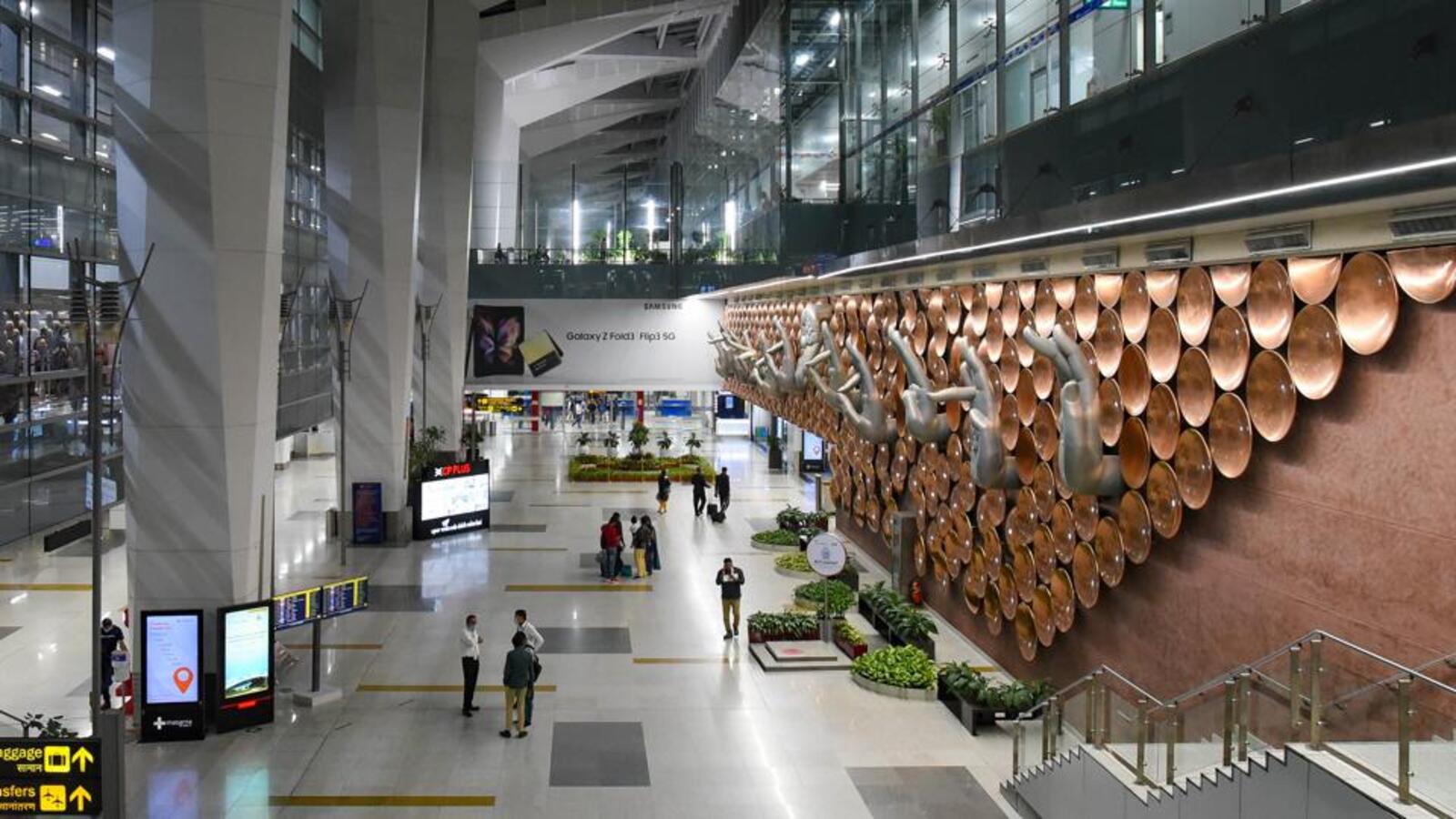
India’s biometric airport entry system DigiYatra faced operational disruptions this week at Mumbai and Delhi airports, triggering congestion at Terminal 1 facilities and exposing the fragility of digital-first infrastructure at high-density urban gateways. The disruption mattered not only for delayed passengers but also for cities betting heavily on technology-led efficiency to manage rising air traffic with lower physical expansion and emissions.
Multiple passengers reported that biometric gates failed to authenticate registered users, forcing travellers back into manual queues. The DigiYatra outage was most visible at Mumbai’s Terminal 1, a critical node for domestic connectivity, while similar complaints surfaced from Delhi’s Terminal 1. Though airport operations continued, the reliance on fallback manual processes created bottlenecks during peak hours. Aviation officials familiar with airport operations indicated that the issue appeared to be linked to backend validation rather than a complete system shutdown. DigiYatra is designed to reduce queueing, paper usage, and energy consumption by enabling seamless movement through terminals. When such systems fail, the result is not just inconvenience but a reversal to space- and manpower-intensive processes that airports have been attempting to phase out.
The incident also drew attention to uneven implementation across India’s expanding airport network. Passengers attempting to use DigiYatra for destinations not yet integrated into the platform, including newly developed airports, encountered additional confusion. Airport authorities later clarified that biometric entry is being introduced in phases and is not yet available at all terminals or destinations. Urban planners and infrastructure experts say such incidents underline the need for resilience planning in smart mobility systems. Airports are among the most complex public buildings in metropolitan regions, operating under tight time constraints and security protocols. A DigiYatra outage, even if temporary, has ripple effects across airline schedules, ground transport coordination, and passenger confidence in digital governance.
The episode also reignited debate around inclusivity in biometric systems. Social media discussions highlighted cases where facial recognition struggled with edge scenarios, reinforcing the need for diverse datasets and robust exception handling. For people-first urban infrastructure, technology must accommodate variability without penalising users. India’s aviation sector is projected to double passenger volumes over the next decade, with airports expected to handle growth without proportionate increases in land use or carbon footprint. Digital systems like DigiYatra are central to that strategy.
However, experts caution that scaling must be matched with redundancy, clear passenger communication, and transparent accountability frameworks.
As authorities review the disruption, the focus will be on strengthening system reliability, clarifying eligibility at terminals, and ensuring that smart infrastructure genuinely reduces friction rather than shifting it elsewhere. For India’s cities, the lesson is clear: digital transformation must be resilient, inclusive, and aligned with the realities of urban life.
DigiYatra Mumbai Delhi Outage Disrupts Airport Entry