


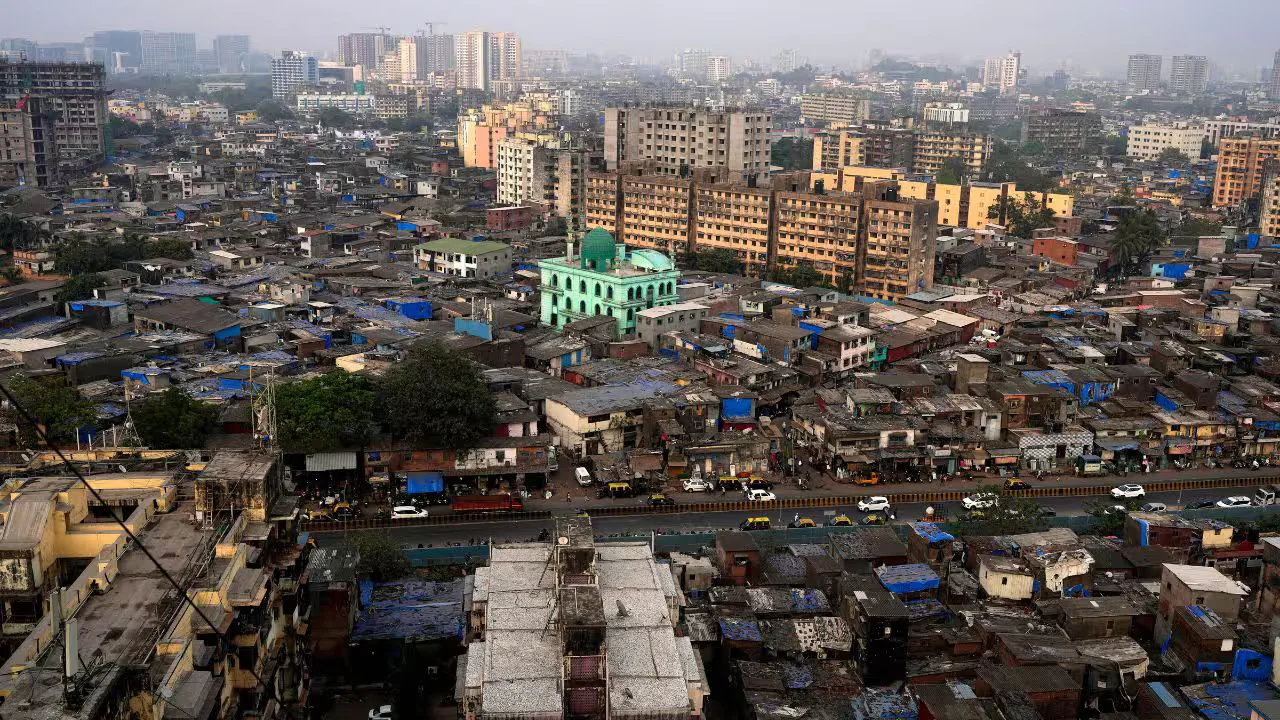
Dharavi, a globally recognised yet historically underserved locality, is on the cusp of a profound transformation, poised to emerge as a pivotal mobility hub within Mumbai’s expansive metropolitan landscape.
Plans are firmly underway to extend Metro Line 11 (Wadala–CSMT) directly into the heart of this sprawling area, a strategic move designed to significantly enhance connectivity and foster sustainable urbanisation. This proposed extension, integral to the broader Dharavi Redevelopment Project (DRP), will seamlessly complement the under-construction Metro Line 3 (Colaba–BKC–Aarey) which is already slated to pass through the vibrant neighbourhood, creating a truly integrated transport ecosystem vital for a zero-net carbon and equitable city. The proposed Metro Line 11 extension into Dharavi is envisioned with two crucial stations – one directly within Dharavi and another in Sion. Sources indicate that Line 11 is likely to be extended westward from Wadala to create a direct link with the existing Metro Line 3 station within Dharavi. This meticulous planning is set to forge a vital interchange, enabling effortless north-south and east-west travel across the bustling metropolis. Such strategic infrastructural enhancements are key to reducing urban congestion, curtailing vehicular emissions, and promoting eco-friendly modes of mass transit, contributing directly to Mumbai’s sustainable development goals.
Mumbai Metro Rail Corporation Ltd (MMRCL), the authority spearheading the execution of Metro Line 3, has been entrusted with the ambitious responsibility of constructing Metro Line 11 as well. This expansive project, currently in its detailed planning stage, carries an estimated fiscal allocation of ₹16,000 crore. Officials privy to the project details have revealed that the proposed ‘Dharavi Central Metro Station’ is being meticulously designed as a multi-level interchange. This multi-corridor hub is poised to serve as a primary convergence point, ensuring seamless commuting from all directions and significantly reducing travel times, particularly for those commuting between the city’s eastern suburbs, the Bandra-Kurla Complex (BKC), and Chhatrapati Shivaji Maharaj International Airport. The vision for Dharavi transcends merely a metro station; planners are actively focusing on integrating a comprehensive range of feeder transport options. This includes dedicated feeder bus routes, well-designed pedestrian pathways, and robust cycling infrastructure. The objective is to ensure optimal last-mile connectivity, bringing Metro, local rail, buses, and non-motorised transport under a single, unified canopy. This integrated approach is critical for fostering a gender-neutral and equitable urban environment, providing safe, convenient, and accessible commuting options for all citizens, irrespective of their socio-economic background or physical abilities.
The strategic importance of this project cannot be overstated for Dharavi itself. Improved, high-speed metro connectivity will unlock unprecedented socio-economic opportunities for the locality’s residents, enabling easier access to employment hubs, educational institutions, and healthcare facilities across the city. By seamlessly connecting Dharavi to Mumbai’s financial and commercial arteries, the metro extension is poised to catalyse the area’s holistic upliftment, promoting greater inclusivity and prosperity within the urban fabric. This initiative exemplifies forward-thinking urban planning, creating a future-ready mobility hub that reduces reliance on private vehicles, thereby contributing substantially to a cleaner, greener, and more connected Mumbai for generations to come.
Also Read: Punawale Depot Scrapped 17 Years PCMC Drops For Green Urban Growth
